
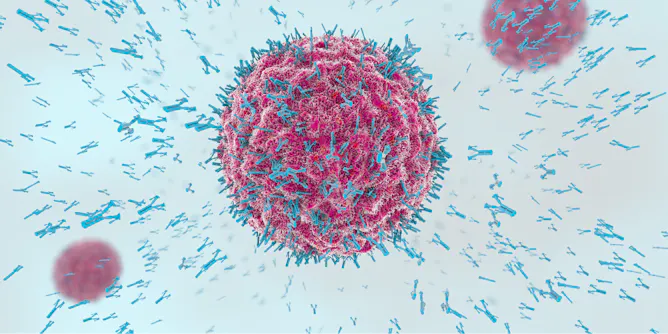
New discovery could help scientists develop more targeted drugs and vaccines.
Articles on Antibodies
Displaying 41 - 60 of 131 articles
A medical student answers questions he gets asked at a COVID-19 vaccine clinic: Efficacy versus real-world effectiveness, immune response and how the mRNA vaccines compare to vaccines already in wide use.
Cell-mediated immunity is particularly effective at eradicating viruses, and more durable. This is important in the fight against COVID-19.
It has been six months since the Johnson & Johnson vaccine received emergency use authorization. What does six months of data show about its efficacy, side effects and protection from variants?
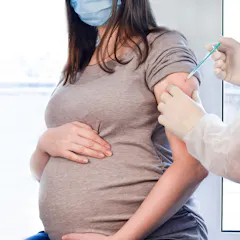
A COVID-19 vaccine does not cause infertility – but it can protect you from the dangerous complications of contracting the virus.
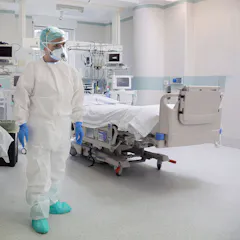
The government has ordered 7,700 doses of sotrovimab. But until further evidence shows it’s effective, the guidelines say it should only be given to patients as part of a human clinical trial.
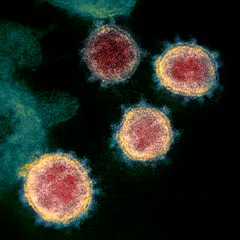
A French study found a four to sixfold reduction in neutralisation against the delta variant compared with the alpha (Kent) variant.
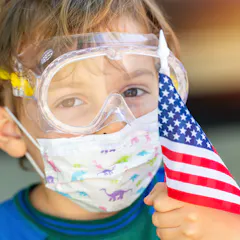
As many teens and adults in the US restart their social lives, parents of children under the age of 12 wonder when their kids will also be able to experience the freedom that comes with vaccination.

There’s a way for parents to spot the fraud.
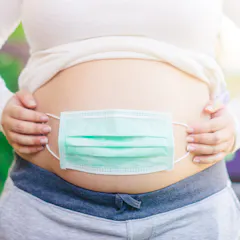
The latest advice is to offer COVID-19 vaccines to women at any stage of pregnancy to protect them from a higher risk of severe disease – and to give their babies an early boost of antibodies.
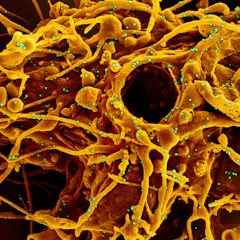
Variants of the original SARS-CoV-2 are now in wide circulation. That means the third wave of COVID-19 has come with new questions about the variants, their effects and what might come next.
Immunity to COVID-19 appears to be generated in different ways in different subgroups of people.
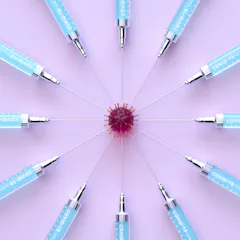
If you’ve already had the coronavirus and recovered, you might be tempted to give the vaccine a pass. A scientist explains why the shot offers the best protection against future infection.
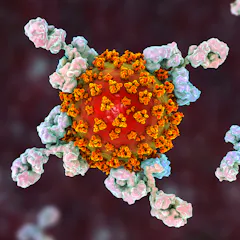
Antibodies continue to evolve for months after a COVID infection has cleared.
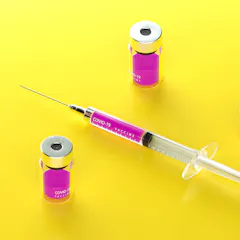
So far, most vaccines in the US are mRNA vaccines. These represent a new technology and are likely to take over the vaccine world. But how do they work? What are their weaknesses? Five experts explain.
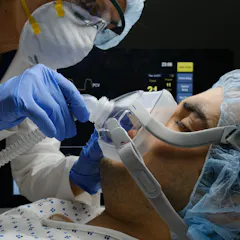
A year after it became clear that COVID-19 was becoming a pandemic, there is still no cure, but doctors have several innovative treatments. Some are keeping patients out of the hospital entirely.
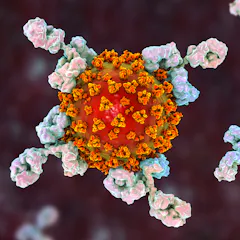
Maintaining antibodies in the blood requires creating certain long-lasting immune cells – but this doesn’t always happen.
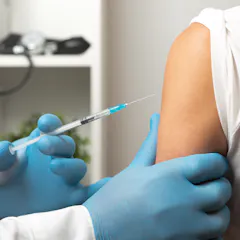
We mapped the genes of B cells to better understand why some develop immunity and others don’t.

Researchers don’t fully understand the composition of breast milk and its benefits. Beyond nutrition, it contains enzymes, hormones and the mother’s antibodies — including antibodies for COVID-19.
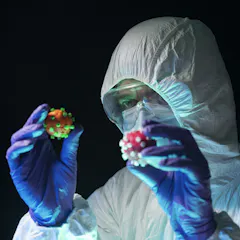
The virus is evolving and new strains are more transmissible. Will the vaccines work against these new variants? How can researchers stay ahead of the virus’s evolution?
Top contributors
-

Professor of Medicine, University of Virginia
-
Instructor of Human Immunology, Emory University
-
Professor of Pathology, Microbiology and Immunology, University of South Carolina
-
Professor of Pathology, Microbiology and Immunology, University of South Carolina
-
Research Fellow, Institute for Molecular Bioscience, The University of Queensland
-
Associate Professor of Biology, Rochester Institute of Technology
-
Research associate, Warren Alpert Medical School, Brown University, Brown University
-
Senior Lecturer; MD, Victoria University
-
Emeritus Professor, Brunel University of London
-
Senior Lecturer in Biomedical Sciences, Brunel University of London
-
Program Director, Infectious Diseases and Immunology, Menzies Health Institute, Griffith University
-
Professor, Biomedicine Discovery Institute, Monash University
-
Associate Professor of Molecular Medicine, UMass Chan Medical School
-
Assistant Professor of Medicine, University of Virginia
-
Distinguished Professor, Professor of Immunology, RMIT University