
The results indicate that the vaccine efficacy in the UK was 89% for individuals who received at least two doses of vaccine. In South Africa, the vaccine efficacy was 60% in people without HIV.
Articles on Antibodies
Displaying 61 - 80 of 131 articles
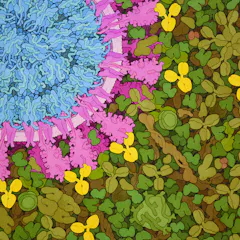
A biologist explains what proteins do in viruses, how they interact with human cells, how the vaccine delivers mRNA into the cell and how antibodies protect us.
Long-term protection will depend on the ‘memory response’ developed by our immune systems – and the initial signs are promising.
With vaccine shortages looming, experts are debating whether it is important to receive two doses or whether it’s better to give one dose to more people and give a second when the supply is better.
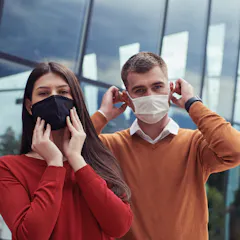
A new study has shown that there are sex-based differences in how we respond to the coronavirus.
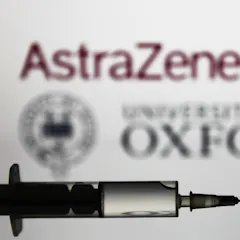
There is now a third vaccine that prevents COVID-19 infections. It isn’t quite as effective as the other two vaccines but it has advantages that may make it the frontrunner.
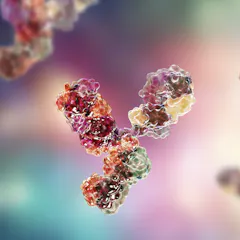
Monoclonal antibodies are synthetic molecules manufactured in the lab. But do we need them if a vaccine is on its way?
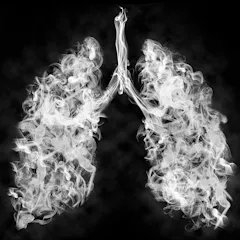
A new discovery offers hope for ways to treat a debilitating disease that has become a leading cause of death in the US..
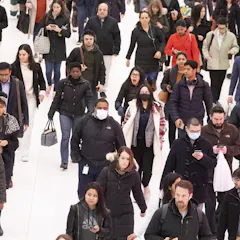
Some have suggested the US allow healthy people to return to normal life, catch the coronavirus and get the population to herd immunity. The science says this plan is doomed to fail from the start.
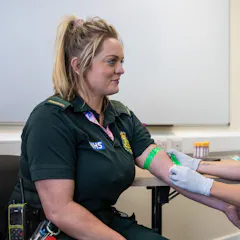
Antibody levels naturally fade – the key question is whether infected people sustain adequate levels of T cells and B cells.
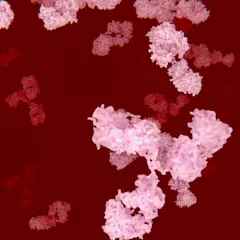
Are antibodies that attack a patient’s own organs contributing to severe forms of COVID-19? A new study suggests specific antibody tests that may reveal the answer.
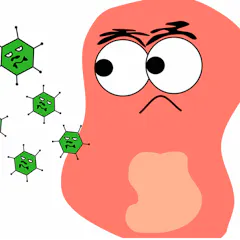
Vaccines work by teaching your immune system about new viruses. Your immune cells are very clever – they will remember what they learnt, and protect you if you encounter that virus in the future.
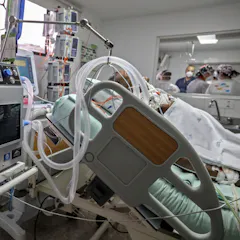
Patients suffering from severe COVID-19 may be experiencing a rogue antibody response similar to that seen in autoimmune diseases. The findings offer new approaches for COVID-19 therapy.
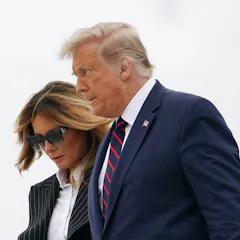
The president and first lady Melania Trump have both tested positive for the coronavirus. Here’s what the physicians and scientists know about the best treatments for the disease it causes.
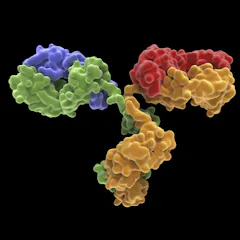
Antibodies are great for neutralizing viruses. But they are big and bulky. Antibody engineers are now creating smaller synthetic antibody-like molecules that may be better for fighting COVID-19.

Will a vaccine for COVID-19 be safe? Animal testing, human clinical trials and post-approval surveillance give us good grounds to believe that a future approved vaccine will work and be safe.

Nanotechnology has an impressive record against viruses.
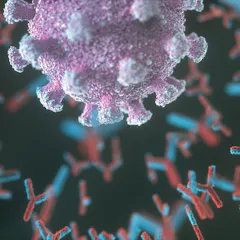
If antibody levels drop dramatically after an infection, what does that mean for immunity? An expert explains how B and T cells contribute to immunity and why antibodies don’t tell the full story.
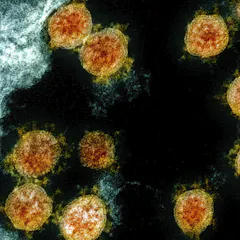
This is just one person. Is he the exception? Is he the rule? We don’t know yet for sure. But reinfection is definitely possible.
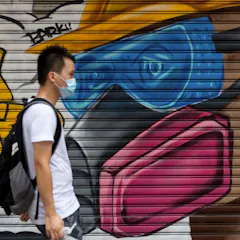
Reports describe a Hong Kong man who was reinfected with the coronavirus after returning from Europe. Does that mean he wasn’t immune after the first infection?
Top contributors
-

Professor of Medicine, University of Virginia
-
Instructor of Human Immunology, Emory University
-
Professor of Pathology, Microbiology and Immunology, University of South Carolina
-
Professor of Pathology, Microbiology and Immunology, University of South Carolina
-
Research Fellow, Institute for Molecular Bioscience, The University of Queensland
-
Associate Professor of Biology, Rochester Institute of Technology
-
Research associate, Warren Alpert Medical School, Brown University, Brown University
-
Senior Lecturer; MD, Victoria University
-
Emeritus Professor, Brunel University of London
-
Senior Lecturer in Biomedical Sciences, Brunel University of London
-
Program Director, Infectious Diseases and Immunology, Menzies Health Institute, Griffith University
-
Professor, Biomedicine Discovery Institute, Monash University
-
Associate Professor of Molecular Medicine, UMass Chan Medical School
-
Assistant Professor of Medicine, University of Virginia
-
Distinguished Professor, Professor of Immunology, RMIT University