
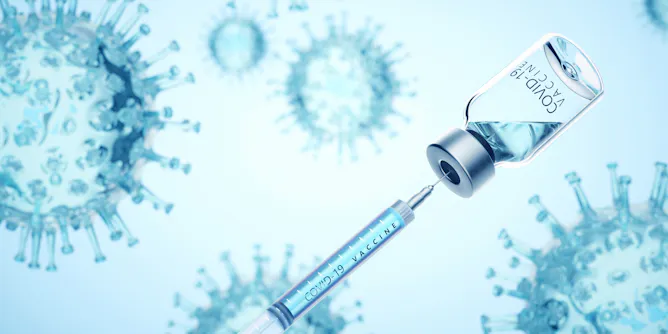
Research suggests that too-frequent immunizations may lead to a phenomenon called “immune exhaustion.”
Articles on Antibodies
Displaying 21 - 40 of 131 articles

Evusheld is an antibody drug from AstraZeneca intended to help prevent COVID-19 infection for immunocompromised and other vulnerable patients.

Because COVID-19 is a relatively new virus, researchers still aren’t sure exactly how long vaccines and prior infections provide protection.
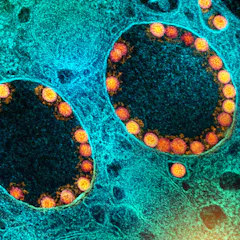
COVID-19 variants are the products of the evolution of the SARS-CoV-2 virus. They arise via mutations, but other forces also have roles to play in the generation and transmission of variants.
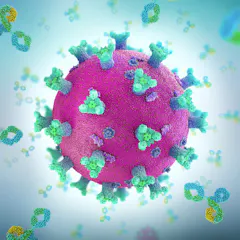
COVID-19 has taken away so much. An immunology researcher describes the good it may leave behind.
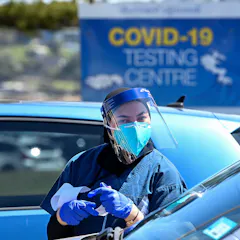
Infection seems to add a boost to immunity – but vaccination is still vital and breakthrough infections should be avoided as much as possible.
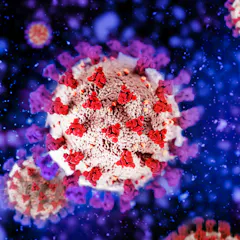
Some of the omicron variant’s unique properties – such as its ability to spread rapidly while causing milder COVID-19 infections – could usher in a new phase of the pandemic.

For a number of reasons, as time goes on vaccines become less effective. So how do researchers calculate how well vaccines are working?

Knowing when and how often to use rapid tests is key to getting an accurate picture of your COVID-19 status.
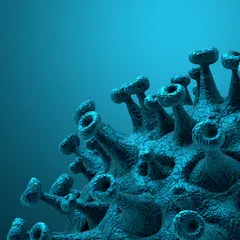
We won’t know whether Omicron evades COVID vaccines for another few weeks. Here’s why.
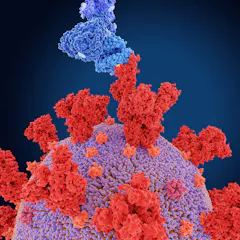
It’s too early to say whether the newly identified omicron variant is going to overtake delta. But particular mutations in the new strain have researchers deeply concerned.
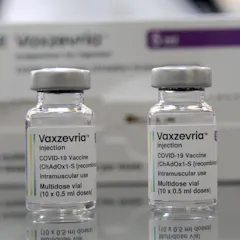
There’s not enough evidence yet to support the AstraZeneca CEO’s statement. But it is theoretically plausible.
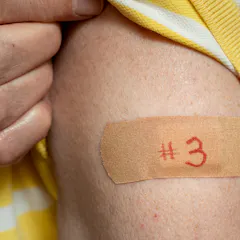
Booster shots are a common necessity for vaccines to keep working. Recent research shows COVID-19 booster shots are recommended for high-risk individuals — and may benefit the rest of us too.

The two types of COVID-19 tests – antigen and PCR – work in very different ways, which is why one is fast but less accurate and the other is slow and precise.
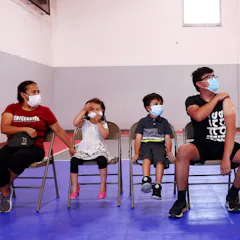
First CDC signed off on a COVID-19 vaccine for adults, then teens. Now US children ages 5 to 11 are officially eligible for shots. Here’s the science on why each group needs to be considered separately.

Pediatric clinical trials for the COVID-19 Pfizer vaccine for children ages 5 to 11 have shown that the Pfizer shot is safe and effective.

There is immense interest in understanding whether potentially protective SARS-CoV-2 antibodies are provided to the baby via breast milk. This is what we know so far.
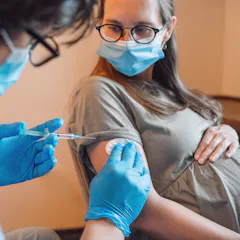
In light of mounting research showing the serious risks of contracting COVID-19 during pregnancy, the CDC is re-upping its urgency that pregnant women get their shots.
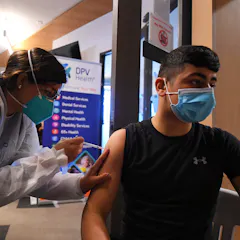
But the immune cells that vaccination spurs do last a long time.
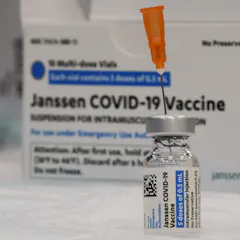
Your body produces antibodies after an infection or vaccine, but these slowly decline over time. New Johnson & Johnson data sheds light on the duration of protection and the need for booster shots.
Top contributors
-

Professor of Medicine, University of Virginia
-
Instructor of Human Immunology, Emory University
-
Professor of Pathology, Microbiology and Immunology, University of South Carolina
-
Professor of Pathology, Microbiology and Immunology, University of South Carolina
-
Research Fellow, Institute for Molecular Bioscience, The University of Queensland
-
Associate Professor of Biology, Rochester Institute of Technology
-
Research associate, Warren Alpert Medical School, Brown University, Brown University
-
Senior Lecturer; MD, Victoria University
-
Emeritus Professor, Brunel University of London
-
Senior Lecturer in Biomedical Sciences, Brunel University of London
-
Program Director, Infectious Diseases and Immunology, Menzies Health Institute, Griffith University
-
Professor, Biomedicine Discovery Institute, Monash University
-
Associate Professor of Molecular Medicine, UMass Chan Medical School
-
Assistant Professor of Medicine, University of Virginia
-
Distinguished Professor, Professor of Immunology, RMIT University