
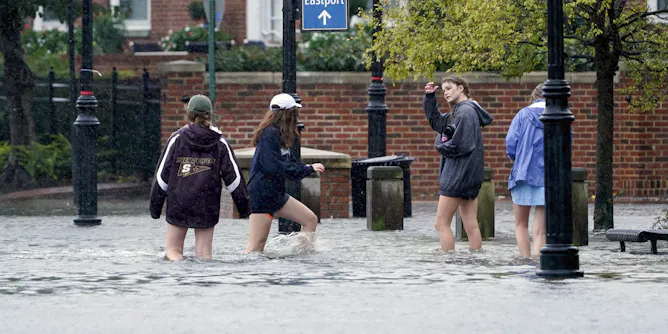
Climate change is making ocean levels rise in two ways. It’s a problem that will endure even after the world stabilizes and slashes greenhouse gas pollution.
Articles on Antarctic ice sheet
Displaying 21 - 33 of 33 articles
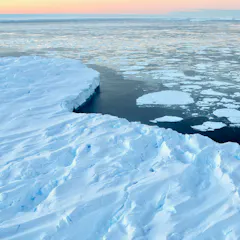
If the world is to adapt to sea level rise with minimal cost, we must address the uncertainty surrounding Antarctica’s melting ice sheet. This requires significant investment in scientific capacity.
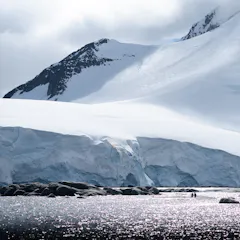
If emissions continue at their current pace, Antarctica will cross a threshold into runaway sea rise when today’s kids are raising families. Pulling CO2 out of the air later won’t stop the ice loss.
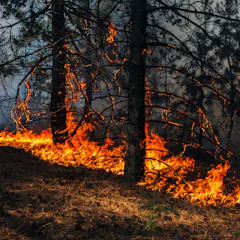
A future of heat and strife or humanity’s finest hour – our response to climate change today will define the 21st century.
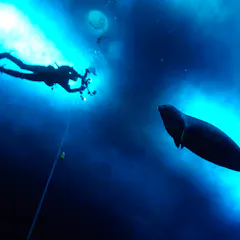
Microphones on the seafloor recorded life under the Antarctic ice for two years – inadvertently catching seal trills and chirps that are above the range of human hearing. Could they be for navigation?
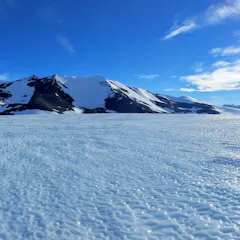
Our research shows the Antarctic could be closer to a tipping point than previously thought.

Living sustainably has its challenges, but none greater than in the climate and geography of Antarctica.
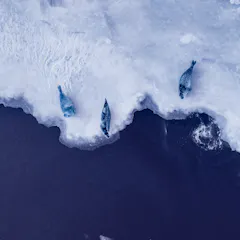
New research shows that warming by more than 2°C could be a tipping point for Antarctica’s ice sheets, resulting in widespread meltdown and changes to the world’s shorelines for centuries to come.
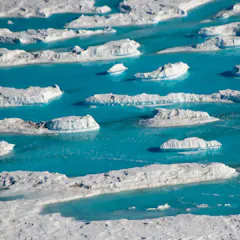
These lakes could threaten the future stability of parts of the Antarctic ice sheet.
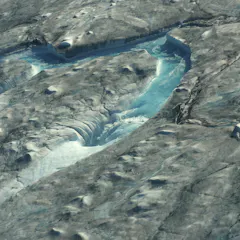
Studies show that the Arctic is heating up twice as fast as the rest of the planet.
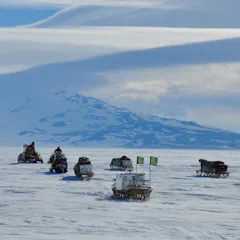
Parts of Antarctica’s largest ice shelf are melting ten times faster than the rest of the shelf, and solar heated waters below the ice are to blame.
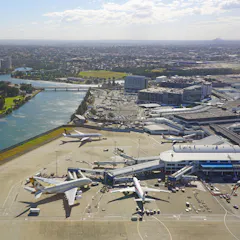
Antarctica studies show sea level rise may be happening faster than we’re planning for, and airports will be hit hard.

Sea levels could rise by two metres by 2100, sparking a refugee crisis unlike anything the world has ever seen.
Top contributors
-

Professor in Earth Sciences, Te Herenga Waka — Victoria University of Wellington
-
ARC DECRA Senior Research Fellow, Institute for Marine and Antarctic Studies, University of Tasmania
-
Professor of Climate Science and Meteorology, University of Lincoln
-
Research Scientist, ETH Zurich
-
Adjunct professor, University of Lapland
-
Instructor of Natural Sciences, University of Oregon
-
PhD Candidate in Cryospheric Remote Sensing, Durham University
-
Pro Vice-Chancellor of Research, University of Technology Sydney
-
Professor of Geosciences, UMass Amherst
-
Assistant Professor of Geophysics and Hydrologic Science and Engineering, Colorado School of Mines
-
NERC Independent Research Fellow in Oceanography, University of Southampton
-
Leverhulme Early Career Fellow, Geosciences, University of Edinburgh
-
Professor of Geosciences and International Affairs, Princeton University
-
Senior Research Scientist, Earth & Biological Sciences, South Australian Museum; Adelaide University
-
Postdoctoral Research Scientist in Geophysics, Scripps Institution of Oceanography, University of California, San Diego