
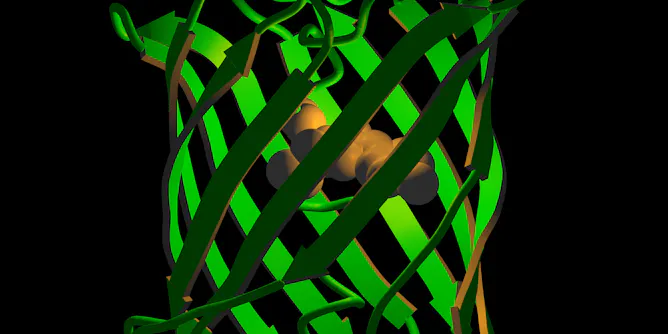
Researchers have been studying tens of thousands of proteins and even more variations without a yardstick to compare their results.
Articles on Animal models
Displaying all articles

Trash pandas’ talent for escaping via lab vents may frustrate researchers, but their problem-solving skills make their brains a fascinating area of research.
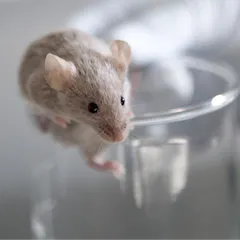
It was once believed that mice had relatively poor vision. Turns out mice are far from blind – and studying how their vision is shaped by their environment and behavior can clarify the same in people.

Equipped with a rodent version of a Cybertruck, these driving rats reveal that positive experiences may sculpt the brain just as powerfully as stressful ones
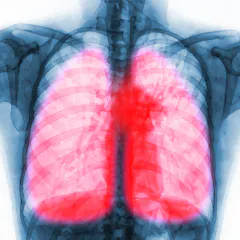
Researchers developed a new mouse model that replicates long COVID-19 more accurately than current models. Their findings could lead to new treatments.

Studying the human brain is difficult because of its vast and intricate network of neural connections. The fruit fly offers a simpler but similar model that researchers can more easily map.
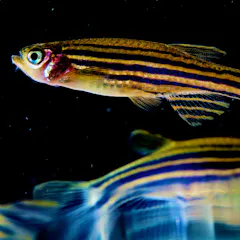
Of the many qualities that make the zebrafish a model organism, the fact that it shares 70% of the genes humans have makes it an ideal candidate for developmental biology research.
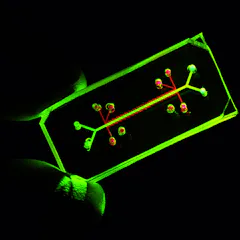
Successes in the lab mostly don’t translate to people. Research models that better mimic the human body could close the gap.
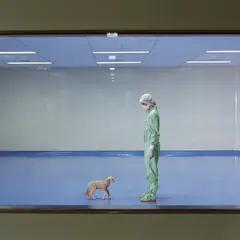
Guidelines and regulations weigh the medical and health benefits of animal research with researchers’ ability to ensure humane care of their subjects from start to finish.
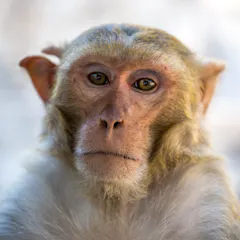
Nonhuman primates like rhesus monkeys share certain characteristics with people that may make them better study subjects than mice for research on neurodegenerative diseases.
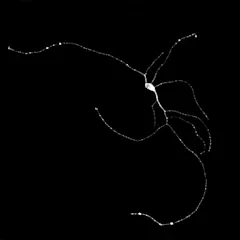
Cell cultures have shown promise in representing diseases. The Petri dish is not as different from a sick person as one might think.

A biomedical engineer explains the basic research that led to the discovery of insulin and its transformation into a lifesaving treatment for millions of people with diabetes.

By identifying and applying the key rules governing the behaviour of each individual, agent-based modelling offers insights into complex phenomena like traffic jams and flocking.

Neuroscience labs around the world may need to reevaluate some of their assumptions about whether what works in animals will really produce meaningful treatments for people.
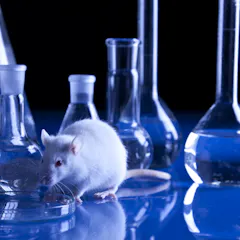
Why are animals still being used in drug development and what are the alternatives that could end their use altogether?

Researchers want your canine’s DNA to help unravel the connections between genes and behavior – for dogs and human beings.
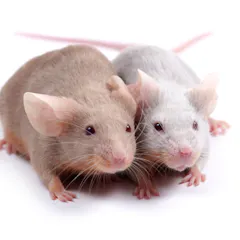
Despite killing a majority of people it infects, some patients survive the onslaught of Ebola virus. What gives them this resistance, ask Michael Katze, professor of microbiology, and colleagues from the…
Top contributors
-

Professor of Behavioral Neuroscience, University of Richmond
-
Professor, University of Warwick
-
Research Principal, Institute for Sustainable Futures, University of Technology Sydney
-
Assistant Professor of Bioinformatics and Integrative Biology, UMass Chan Medical School
-
Professor of Life Sciences, University of Warwick
-
Principal Enterprise Fellow, University of Huddersfield
-
Alan M Dachs Professor of Science, Professor of Biology, Neuroscience and Behavior, Wesleyan University
-
Senior Research Consultant, University of Technology Sydney
-
Postdoctoral Research Fellow in Neuroscience, National Institutes of Health
-
Associate Professor of Biomedical Engineering, Georgia Institute of Technology
-
Assistant Professor of Neuroscience, Bryant University
-
Université de Montréal
-
Master's Candidate in Molecular, Cellular and Developmental Biology, Iowa State University
-
Assistant Professor of Chemistry and Biochemistry, University of Maryland, Baltimore County
-
Assistant Professor of Genetics, Development and Cell Biology, Iowa State University