
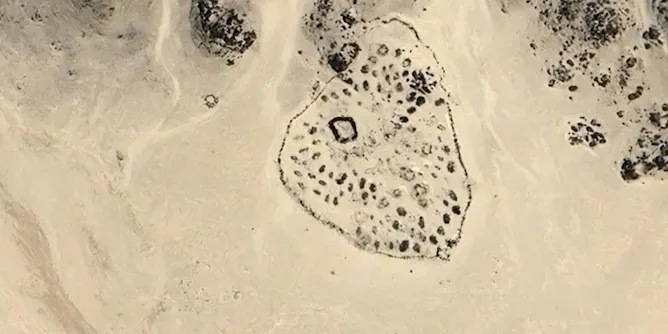
The circular mass graves were filled with the bones of people and animals, often carefully arranged around a key person at the centre.
Articles on Ancient life
Displaying 1 - 20 of 22 articles
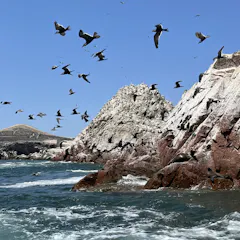
In new research, biochemical analyses align with imagery and historical sources to show how the pre-Inca Chincha society turned guano into a source of power.
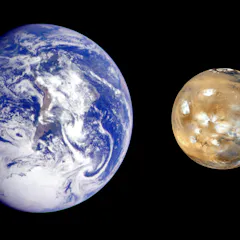
Mars may have been hospitable to life early in its history.
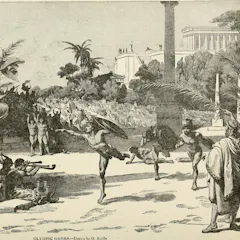
Australians love a major sporting event and so did the ancient Greeks and Romans. And it wasn’t just the Olympics they flocked to.
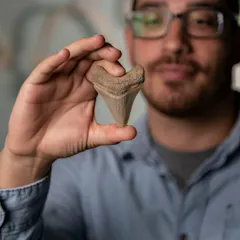
Sharks have ruled the Earth’s oceans for 400 million years. Recent research on fossil shark teeth has discovered an innovative method for dating ancient sediments.
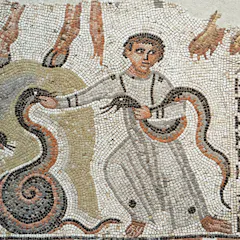
From dogs to snakes, people have been keeping pets for millennia. Here’s what people in ancient civilisations thought about their furry (or scaled, or feathered) friends.
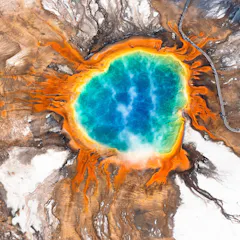
The experiment involved custom-building a small chamber that simulated hot spring environments on early Earth.
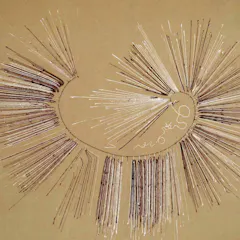
A new study reveals the most complex numeric connection ever made between two khipus. It could help lead us to even more clues about ancient Andean society.
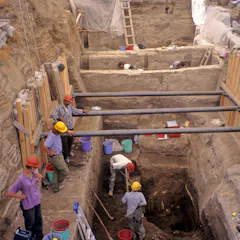
Whether intentional or not, the way mega-settlements in southeastern Europe from 6,000 years ago were laid out would have cut down on the spread of disease.
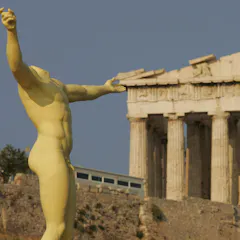
Today’s Olympics are vastly different to those that began in ancient Greece. So what was it like attending those ancient games?
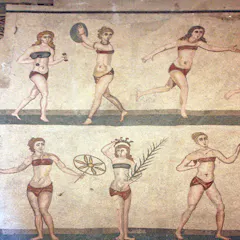
If you’re overworked, skipping gym and drinking too much – fret not. People had the same concerns some 2000 years ago.
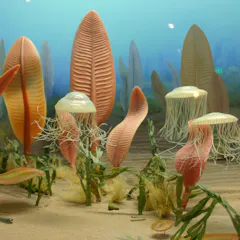
Fossil traces of the oldest complex ecosystems are found in precious few locations worldwide, including Australia. Newly dated fossils from Wales now join the ranks.
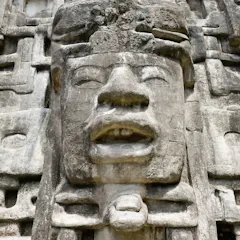
The Maya would have had to obtain mercury from far locations, transporting it by foot hundreds of kilometres across present-day Central America.

Spectacular finds of the world’s oldest jawed fishes from China push back the origins of jaws and teeth, and suggest how limbs might have evolved.
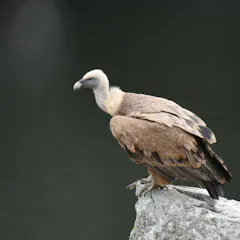
The identification of a vulture that lived more than 50,000 years ago is shedding more light on biodiversity loss and ecosystem change in Australia.
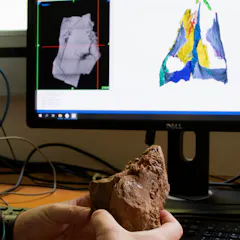
An analysis of the skull suggests the ankylosaur may have had a poorer sense of smell than its counterparts in the northern hemisphere.
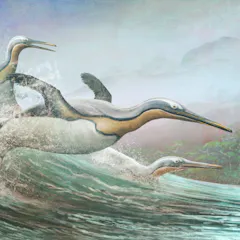
Some penguins would have been as tall (or even taller) than adults today.

Today, Homo sapiens regularly use psychoactive chemicals to modify the mind – but how did it all begin?
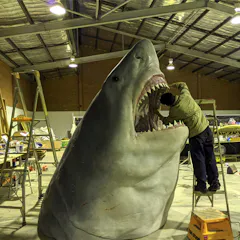
Two museum exhibits, one in the Smithsonian and one in Australia, have opened public displays featuring the spectacular meg. But while both models are mega impressive, they’re not the same. Why?
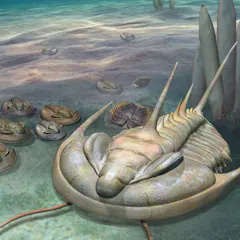
Looking a bit like enlarged woodlice, ancient trilobites crawled along the seabed and had an exoskeleton made of calcite — nature’s version of a suit of armour.
Top contributors
-

Lecturer in Classics and Ancient History, The University of Western Australia
-
Emeritus Strategic Professor in Palaeontology, Flinders University
-
Associate Professor in Geography, Australian Catholic University
-
Palaeontologist, Earth Science Faculty, University of New England
-
Adjunct Professor of Chemistry, Quinnipiac University
-
Senior Lecturer in Paleontology and Evolutionary Biology, Life Sciences at the University of Bath, University of Bath
-
Associate Professor in Chemistry, Dublin City University
-
Professor of Geochronology, Curtin University
-
Post-doctoral researcher in Palaeobiology, Flinders University
-
Head of Department, Earth & Planetary Sciences, Western Australian Museum
-
Research Fellow, School of Earth and Planetary Sciences, Curtin University
-
Professor of Earth Sciences, University of New England
-
Associate Professor, School of Biotech & Biomolecular Science, UNSW
-
PhD Candidate in Palaeontology, University of New England
-
Centennial Professor of Geography and the Environment, The University of Texas at Austin