
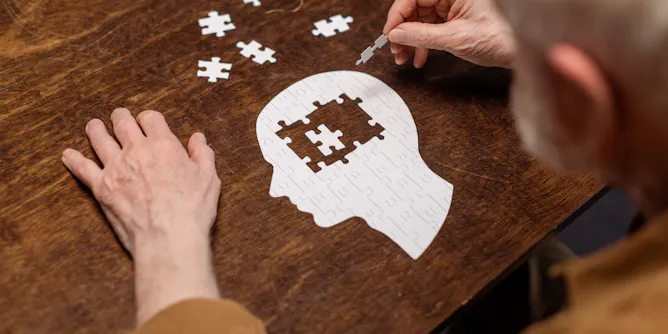
A CNN documentary follows two people with Alzheimer’s who took part in a study to determine if lifestyle changes can reverse symptoms.
Articles on Alzheimer's disease
Displaying 101 - 120 of 448 articles

A ‘complex’ job and an active social life can protect you from dementia – if you don’t less stress undo it all.
Taking care of your smile could prevent disease elsewhere in the body.
The brain was once thought to be sterile, thanks to the blood-brain barrier. But scientists are beginning to question this.

Being arrested, getting a divorce, losing your job – all of these things are associated with an increased risk of developing Alzheimer’s.

Being aware of terminal lucidity can help loved ones understand it is part of the dying process.
A loss of visual sensitivity could be an early predictor of dementia.
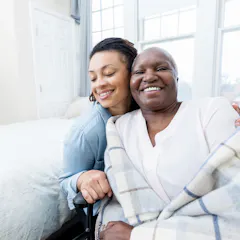
Including the family in a patient’s treatment plan can help shorten hospital stays and assist in recovery. But caregivers often pay a price.
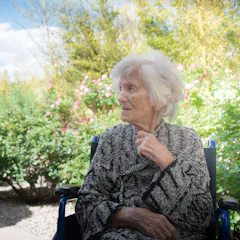
Medicare covers an annual well-check visit that could potentially identify cognitive issues, but only about half of beneficiaries take advantage of them.

A new study suggests that talking speed is a more important indicator of brain health than difficulty finding words.

Many dieters vouch for the effect of intermittent fasting on their body – but what about their brain?

A study of US veterans found that one in ten had been wrongly diagnosed with dementia, when they actually had a treatable liver condition.

Sleep appears to play an essential role in a number of brain functions, such as memory. So good quality sleep could play a vital role in preventing dementia.

Confused by conflicting studies about the link between viagra and Alzheimer’s? Two experts explain the disparaties

Artificial intelligence helped identify the blood proteins that are the best predictors of dementia.

Georgia Blain’s final, posthumous collection offers clear-eyed, calm compassion – and a capacity to live with, and alongside, damage, trauma and unspeakable loss, and a way of staying human.

Family caregivers who have stronger support networks and positive communication with loved ones tend to be more resilient.

A closer look at the study suggests something else might explain the high figure.

Listening to music, though, doesn’t have the same benefits.
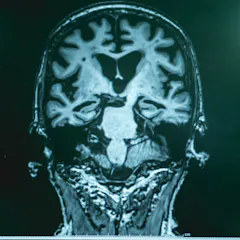
Scientists have published the first evidence that Alzheimer’s can be transmitted from person to person. Patients received human growth hormone from the tissue of donated brains.
Top contributors
-

PhD Candidate, Neuroscience, University of Sheffield
-
Research Fellow in Neuroimmunology, UCL
-
Professor of Biological Psychology, Loughborough University
-
Professor of Chemistry and Senior Scientist of the Krembil Research Institute, University Health Network, University of Toronto
-
Head of Clinical Services, Dementia Support Australia, & Associate Professor of Psychiatry, Monash University
-
Professor Emeritus of Molecular Neurobiology at the University of Manchester and a Visiting Professorial Fellow, University of Oxford
-
Associate Professor, Turner Institute for Brain and Mental Health, Monash University
-
Professor of Neurology and Neuroscience, University of Florida
-
Host, The Conversation Weekly Podcast, The Conversation
-
Professor of Neurology, UCL
-
Post grad student at University of Edinburgh, University of Edinburgh
-
Associate Professor in Cellular Neuroscience, University of Reading
-
Professor of Psychology in Epidemiology, UCL
-
Étudiant au doctorat en psychologie, Université du Québec à Montréal (UQAM)
-
Affiliate Professor, Department of Family Medicine, McGill University