
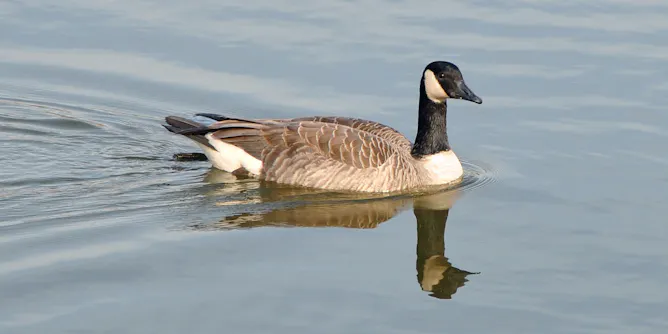
Black soldier fly larvae can convert Canada goose feces into protein and fertilizer, transforming an urban nuisance into an agricultural resource.
Articles on Agriculture
Displaying 81 - 100 of 1747 articles

In the wake of the WHO’s One Health summit, a new atlas explores the interdependency between environmental, health and food security issues, and strategies for supporting sustainability and the welfare of all life forms.

New EU legislation supporting healthier soils was adopted in December 2025 incorporating environmental DNA analysis which is proving useful but not totally efficient.
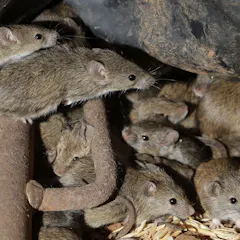
In parts of Western Australia and Southern Australia, mouse numbers are reaching plague proportions.
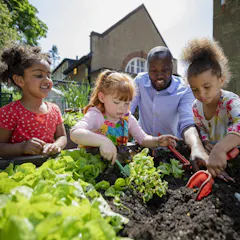
In an urbanized and globalized world, most kids aren’t directly connected to agriculture. School gardens can help them learn where their food comes from.

Wheat is one of the most popular grains globally. But climate change is making it harder to grow, harvest and distribute this crucial crop.
Access to open sea lanes is critical not just for economic prosperity, but for ensuring Australians can reliably access food.
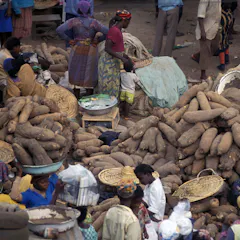
Communities affected by mining project delays live in a state of suspended time for three years.

Agricultural workers are six times more likely to die on the job than the average American worker.
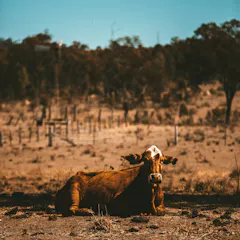
Australia produces enough food for 75 million people. But intensifying heat and natural disasters and competition for water are eroding food security.
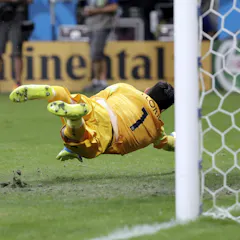
The new playing fields are rolling out in stadiums from Mexico to Canada. Creating the perfect pitch in very different climates requires the right grasses and some creative tricks.
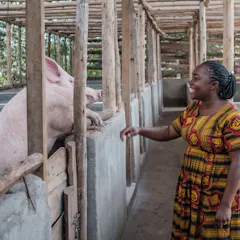
It’s possible to work with and change social norms about suitable work for women.
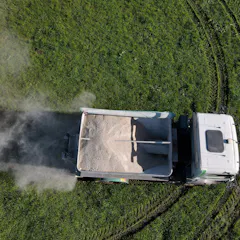
There have been repeated calls for a food security strategy in NZ, but little progress. Will a global fertiliser shock now prompt leaders to act?
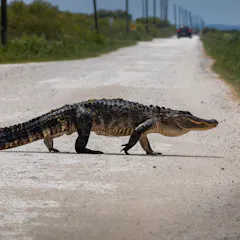
A new mapping tool allows local governments, conservation groups and landowners to understand how their land-use decisions affect wildlife and natural resources.
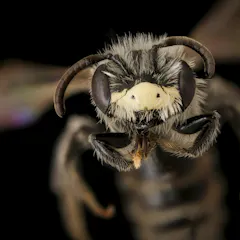
The accusations you might have heard about nonnative honey bees aren’t backed up by evidence. In fact, there are plenty of ways bees make the world a better place.

Regenerative agriculture began as a grassroots movement led by farmers. It has been described in many different ways, but a common thread is a set of values.
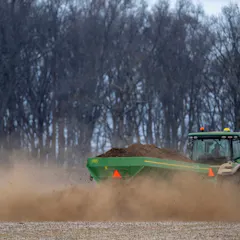
Fertilizer is more expensive and in shorter supply. Without the right amounts of fertilizer at specific times, yields drop, food prices increase and food shortages result.
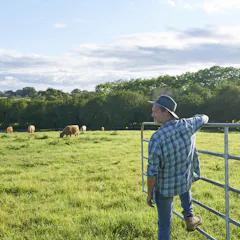
Nature and agriculture are often at odds. But an Australian study suggests farmers who plant more trees are better off – financially and environmentally.

Without adequate fertiliser, crops such as wheat and barley produce lower yields with lower protein content.
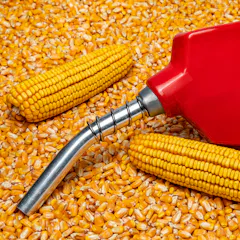
Australians are being urged to switch to E10 fuel, as the US-Iran conflict continues to put pressure on diesel and petrol supplies.
Top contributors
-

Senior Fellow, Department of Agricultural Economics, Stellenbosch University
-
Associate Professor, Department of Entomology; African-American Studies, University of Illinois Urbana-Champaign
-
Research Fellow, Tegemeo Institute, Egerton University
-
Adjunct Professor in Animal Welfare, Curtin University
-
Managing Director, Triple Helix Consulting; Honorary Professor, ANU Fenner School for the Environment and Society, Australian National University
-
Soil Scientist, Australian Centre for International Agricultural Research
-
Professor of the Practice of International Development, Harvard Kennedy School
-
Professorial Fellow, University of Canberra
-
Professorial Fellow, Institute of Development Studies
-
Emeritus Professor, Poverty, Land and Agrarian Studies, University of the Western Cape
-
Executive Director, Swette Center for Sustainable Food Systems, Arizona State University
-
Professor & Director, Primary Industries Climate Challenges Centre, The University of Melbourne
-
Visiting Adjunct Professor, School of Governance, University of the Witwatersrand
-
Director of the Bureau for Economic Research, Stellenbosch University
-
Professor of Earth System Science, UCL