

The honeybee-killing Varroa mite is marching across the country, as two experts explain.
Articles on Agriculture
Displaying 21 - 40 of 1746 articles
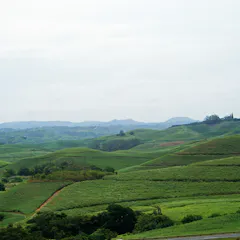
Isolated interventions are unlikely to help small sugarcane growers. Improving productivity requires integrated support systems.

These fine particles can do significant harm to transport networks, farming and even human health.

The advantage of virtual reality training is scalability. The same experience can be delivered in many countries simultaneously, without need for travel.
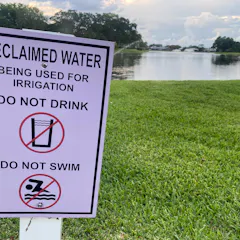
US sewage treatment plants likely don’t get rid of all the disease-causing protozoa, and monitoring discharged wastewater for it is difficult.
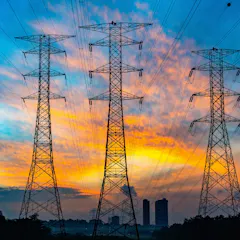
Africa still needs millions of better-paying jobs and higher productivity to reduce poverty. What has changed is the route to achieving those goals.
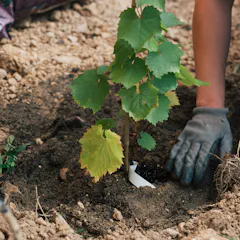
At local level, many grassroots initiatives are cropping up to tackle unforeseen climate-related events, but improvising and instinctive ways of working are often overlooked in public policy.

Starting yesterday, Australians are now paying 16 cents more for each litre of petrol they buy.

Ottawa’s $3-billion National Food Security Strategy funds greenhouses, food terminals and processing plants, but not the advisors who help farmers put any of it to work.

For some people caught in conflict zones, remaining is the choice they feel they can live with.
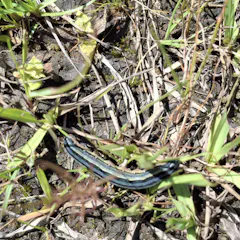
The African armyworm causes havoc for many crops and livestock.

Long before synthetic fertilizers, the global guano trade reshaped farming, fueled American expansion and exposed the hidden human costs of feeding the modern world.

A resilient food system requires connecting affordability, trade, food safety, biosecurity, regional infrastructure and preparedness before the next disruption.
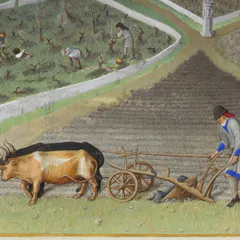
Monks wrote chronicles about the devastating heat of the 13th century, and detail what happened.

A distinctive local variety of grapevine from Ethiopia’s Tigray region could offer potential as a dryland crop.
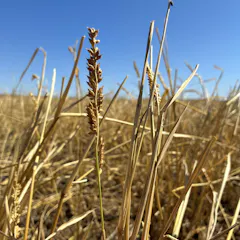
Natural selection may not be the only force that has contributed to the evolution of channel millet’s unusual genetics.

New research shows that corporate concentration, the agricultural treadmill and export-driven policy have turned farm expansion into a survival requirement.
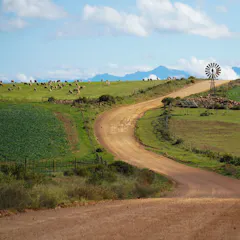
Previous rains and grain stocks could reduce the impact of the expected drought.

A soil expert unpacks what this unconventional farming method is and how it works.
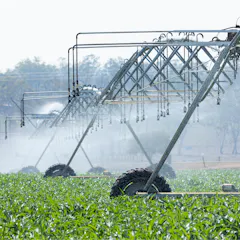
Despite their flaws, well-designed and regulated water markets remain one of our best tools for managing drought.
Top contributors
-

Senior Fellow, Department of Agricultural Economics, Stellenbosch University
-
Associate Professor, Department of Entomology; African-American Studies, University of Illinois Urbana-Champaign
-
Research Fellow, Tegemeo Institute, Egerton University
-
Adjunct Professor in Animal Welfare, Curtin University
-
Managing Director, Triple Helix Consulting; Honorary Professor, ANU Fenner School for the Environment and Society, Australian National University
-
Soil Scientist, Australian Centre for International Agricultural Research
-
Professor of the Practice of International Development, Harvard Kennedy School
-
Professorial Fellow, University of Canberra
-
Professorial Fellow, Institute of Development Studies
-
Emeritus Professor, Poverty, Land and Agrarian Studies, University of the Western Cape
-
Executive Director, Swette Center for Sustainable Food Systems, Arizona State University
-
Professor & Director, Primary Industries Climate Challenges Centre, The University of Melbourne
-
Visiting Adjunct Professor, School of Governance, University of the Witwatersrand
-
Director of the Bureau for Economic Research, Stellenbosch University
-
Professor of Earth System Science, UCL