

As we get older, there are many reasons our muscles might feel stiff. The most important thing is to keep moving.
Articles on Ageing
Displaying 301 - 320 of 524 articles

An ageing population doesn’t have to be an economic burden.
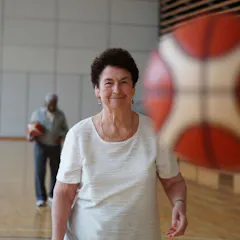
Modified ball sports, like walking rugby, are increasingly popular with older people.
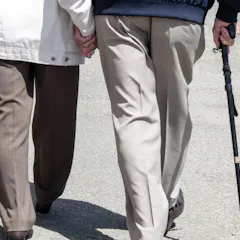
An international comparison of life expectancy rates has raised alarm bells for the UK.
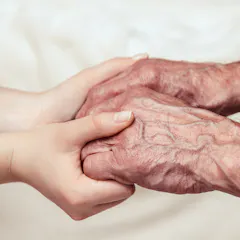
New research on reversing ageing in human cells could be the first step to new anti-degenerative drugs.

Sports can be a healthy place for aggression and combat. It can also be a space for us to build community, test our limits and build resilience - no matter what our age.

Some philosophers believe that a very long life could easily become boring.
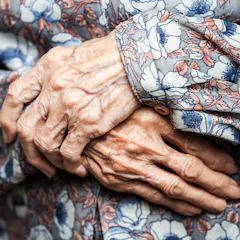
There are many indications that old age is at its limits.
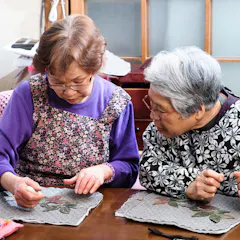
Japan has a big ageing population, and others are looking to it for answers in how to provide better care for the elderly.
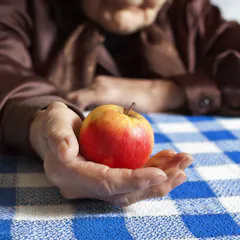
Designers take note: your products may be less useful for people as they get older.
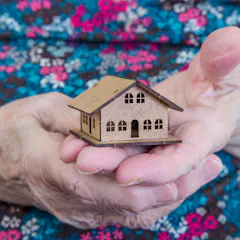
More than 750,000 additional specialist homes will be required by 2035, in England alone, to deal with the shortfall.

You’re more likely to know a word but not be able to produce it as you get older. Keeping fit could minimise these lapses.

Detailed images of the anti-ageing enzyme telomerase are a drug designer’s dream

For Australia, the median age is 37.2 years. The Northern Territory is the youngest state or territory with a a median age of 32.4 years and Tasmania is the oldest at 42 years.
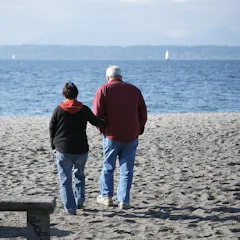
The ingredients for a good old age differ, not just because of where you live, but also depending on your income.

Men and young people are more likely to be ageist, but few Australians are resolutely ageist in their views, a new survey finds.

There’s not much we can do about the reduction in collagen and fat that cause lines and circles under our eyes as we age. But sunscreen and a healthy lifestyle can help keep the signs of ageing at bay.

Recent scientific studies have claimed that transfusions of blood from teenagers can help delay or reverse the ageing process. Do they stack up?

Four in five of us have a “biological” age older than our real age, which means we have at least one risk factor that is higher than the number set as “normal”.
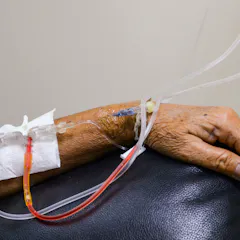
Scientists may have discovered why cancer incidence rises with age, and it’s got more to do with the immune system than people thought.
Top contributors
-

Professor of Biogerontology, University of Brighton
-
PhD student, University of Buckingham
-
Emeritus Professor, University of New England
-
NHMRC Senior Lecturer, School of Medical Sciences, UNSW
-
Professor: Health and Population Division, School of Public Health, University of the Witwatersrand
-
Reader in Ageing Physiology, University of Westminster
-
Associate Professor, Epidemiology, Deakin University
-
Associate Professor of Psychology, Adelaide University
-
Honorary associate professor of economy and society, Macquarie University
-
Associate Professor in Criminology, The University of Melbourne
-
Chair of Molecular Biogerontology, University of Birmingham
-
Senior Research Associate, International Centre for Future Health Systems, UNSW, UNSW
-
Reader in Molecular Genetics of Ageing, University of Essex
-
Senior Research Fellow, University of Edinburgh
-
Adjunct Associate Professor, Australian Research Centre for Sex, Health & Society, La Trobe University