

Children with more than one developmental condition – such as ADHD, autism or others – are at risk of depression or anxiety too. And health systems need to adapt.
Articles on ADHD
Displaying 41 - 60 of 220 articles

It’s safe for pregnant women to take paracetamol at any stage of pregnancy. Here’s what the research says about the risk of autism.

Children were 36% more likely to be diagnosed with ADHD and 56% more likely to develop autism if their mother had gestational diabetes.

Recent reports about medication use in pregnancy may sound distressing, but reducing complex science to alarming headlines does more harm than good.

Developmental delay might mean a toddler isn’t using sentences when expected, or not meeting milestones such as walking or feeding themself.

A growth in ADHD prescriptions has caused concern about their safety and effectiveness. But new research points to longer-term benefits for users.

Food additives are often blamed for ADHD. But decades of research suggest the truth is more complicated, and the whole diet matters.

Doing everything for your child robs them of an opportunity to learn. Here are the dos and don'ts.

Premenstrual dysphoric disorder is a serious condition that affects about 3% of women globally.

ADHD diagnosis can be controversial. The disruption it causes goes beyond school, affecting the quality of life of families as well.

Some people have to call around pharmacies to get their script filled, others change to different medications. And the shortage is expected to continue.

Rejection sensitivity in ADHD can make everyday feedback feel overwhelming. Here’s why it happens and how to manage it with care.

Increasing access to ADHD diagnosis and medication is a good move. But it shouldn’t be the whole plan to address a condition affecting thousands in New Zealand.

Up-skilling GPs to treat ADHD will benefit many patients, some people with more complex cases will still need to see a specialist.

There is a strong genetic component, but there is still a big gap in knowledge.

A new strengths checklist aims to help parents, carers and clinicians more easily identify a child’s skills, talents and positive qualities.

While social media provides a way to share their experiences and find community, the breadth of content can make it a struggle to wade through misinformation.

A staggering rise in the prevalence of many medical conditions and the cultural attention we pay them is the subject of a new book, The Age of Diagnosis.

Lots of digital tools promise to assist children with neurodevelopmental conditions such as autism and ADHD. But it’s hard to know what is and isn’t useful.
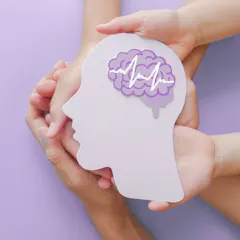
Many believe ADHD is purely behavioural, but we can detect it by looking at brainwaves.
Top contributors
-

Senior Lecturer, Brain Mind Centre Nepean, University of Sydney
-
Professor and Clinical Psychologist, Michael Crouch Chair in Child and Youth Mental Health, University of Sydney
-
Senior Research Fellow in Child Neurodevelopment, Brain and Mind Centre, University of Sydney
-
Financial Markets Foundation Chair of Developmental Mental Health, The University of Melbourne
-
Psychologist and Research Associate in the Department of Paediatrics, Monash University
-
Deputy Director, The Kids Research Institute Australia, Professor of Autism Research, The University of Western Australia
-
Associate Professor, Department of Paediatrics, The University of Melbourne
-
Partner, Government & Public Sector, Providence / Honorary Fellow, Australian National University
-
Professor in Cognitive Neuroscience, Director of Research, Turner Institute for Brain and Mental Health, Monash University
-
Professor of Psychology, University of Richmond
-
Professor of Psychology, Florida International University
-
Professor of Clinical Neuropsychology, University of Cambridge
-
Professor in Health History, University of Strathclyde
-
Associate Professor, School of Psychology, Deakin University
-
Neurodevelopmental Paediatrician and Associate Professor, University of Sydney