

Prescriptions for ADHD medications have doubled in the last decade in Australia. Medication is the best treatment for ADHD, however non-medicated treatments are also helpful.
Articles on ADHD
Displaying 121 - 140 of 220 articles
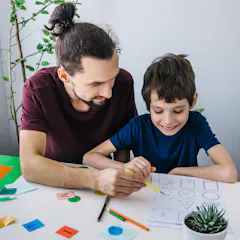
In determining eligibility, the NDIS should focus on who an individual is – their strengths, challenges and functional capacity – rather than what diagnosis they may have.

If you think you have ADHD, getting a diagnosis can be a long, frustrating and often expensive process. But it can give you access to treatments and change how you see yourself.

We surveyed more than 100 Australian parents of children with ADHD about lockdown learning to see what worked and what did not.

This is a transcript of The Conversation Weekly podcast episode published on May 12 2022.

Noradrenergic drugs are already used to treat a variety of conditions, including ADHD and depression.

ADHD diagnoses are on the rise, a trend that might in part be driven by overdiagnosis. A new study finds that white children are especially likely to be overdiagnosed and overtreated for ADHD.

Kindergartners who are relatively younger than their classroom peers are at risk for doing less well in school. A clinical psychologist explains how to reduce those problems.

In the first study of its kind, researchers found medication alone has no detectable impact on how much children with ADHD learn in the classroom.

Binge eating or hyperfixating on certain foods may be common in people with ADHD.

The claims made by the creators of the app – which highlights parts of words to supposedly enhance users’ reading abilities – are dubious.

Up to 20% of US children have an anxiety disorder, and many suffer in silence.

Two ADHD researchers discuss advancements in the diagnosis and treatment of adult ADHD.

Although medication and therapy can be effective treatments for ADHD, they’re not the only way to manage the disorder or its symptoms. Creating a daily routine is critical too.

Handling adult ADHD is difficult, but today, there are more evidence-based interventions than ever.

Data linkage, assessing information from over 113,000 teenagers in South London, addresses important gaps in research on the mental health and socio-economic risk factors for self-harm.

Not having the proper diagnosis as a child can have a serious impact on mental health in adulthood.

While only about 20% of people would qualify for a formal diagnosis of a mental disorder, more than 60% express symptoms of those disorders – and those symptoms can lead to cognitive difficulties.
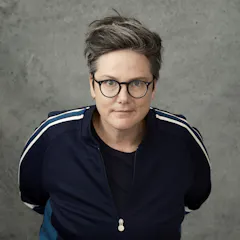
Hannah Gadsby explores the unique challenges and gifts of being an autistic, gender queer outsider. Her memoir charts her path to comedy success – navigating trauma and self-knowledge along the way.

By adulthood, ADHD symptoms may be more internalised but they can also cause grown up problems.
Top contributors
-

Senior Lecturer, Brain Mind Centre Nepean, University of Sydney
-
Professor and Clinical Psychologist, Michael Crouch Chair in Child and Youth Mental Health, University of Sydney
-
Senior Research Fellow in Child Neurodevelopment, Brain and Mind Centre, University of Sydney
-
Financial Markets Foundation Chair of Developmental Mental Health, The University of Melbourne
-
Psychologist and Research Associate in the Department of Paediatrics, Monash University
-
Deputy Director, The Kids Research Institute Australia, Professor of Autism Research, The University of Western Australia
-
Associate Professor, Department of Paediatrics, The University of Melbourne
-
Partner, Government & Public Sector, Providence / Honorary Fellow, Australian National University
-
Professor in Cognitive Neuroscience, Director of Research, Turner Institute for Brain and Mental Health, Monash University
-
Professor of Psychology, University of Richmond
-
Professor of Psychology, Florida International University
-
Professor of Clinical Neuropsychology, University of Cambridge
-
Professor in Health History, University of Strathclyde
-
Associate Professor, School of Psychology, Deakin University
-
Neurodevelopmental Paediatrician and Associate Professor, University of Sydney