

ADHD isn’t just about experiencing fidgeting, distractibility, forgetfulness or restlessness; it’s also about the hidden work adults do to hide those symptoms in their everyday lives.
Articles on Attention-deficit/hyperactivity disorder (ADHD)
Displaying 1 - 20 of 39 articles

ADHD symptoms occur on a continuum and can fluctuate dramatically based on life circumstances such as transitions to middle school, stress levels and even sleep.
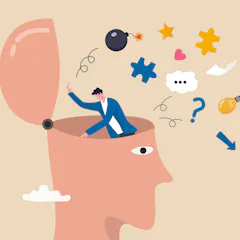
Navigating life with ADHD or as a parent of a child with ADHD can be stressful. But as researchers learn more about the uniqueness of brains with ADHD, they are also gleaning insight into treatments.

One in 20 Australians has ADHD. But some people call the condition ADD. What’s the difference?

Sleep habits can be improved by making shifts in both daytime and evening routines.

The COVID-19 pandemic may have played a considerable role in the uptick of adults being treated for ADHD. But more data is needed to determine whether the trends will continue.

Masking or camouflaging is where people conceal certain traits and replace them with neurotypical ones to avoid being recognised as visibly neurodiverse.

Anxiety is the most common mental health issue facing children and adolescents. But research shows that early screening – including in school settings – can identify children who are at risk.

Kindergartners who are relatively younger than their classroom peers are at risk for doing less well in school. A clinical psychologist explains how to reduce those problems.

Up to 20% of US children have an anxiety disorder, and many suffer in silence.

While only about 20% of people would qualify for a formal diagnosis of a mental disorder, more than 60% express symptoms of those disorders – and those symptoms can lead to cognitive difficulties.

Research shows that people with more flow in their lives had a higher sense of well-being during the COVID-19 pandemic. Scientists are beginning to explore what happens in the brain during flow.

Even when the condition lasts a lifetime, there are behavioral treatments and prescription drugs that make it easier for people with attention-deficit hyperactivity disorder to thrive.

Tylenol has long been considered a go-to medication for low to moderate pain and for fever reduction, even during pregnancy. But mounting evidence suggests that it is unsafe for fetal development.
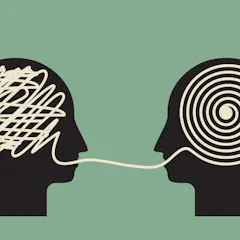
Despite progress in promoting workplace diversity, prejudices keep the employment prospects for neurodiverse individuals shockingly low.

It’s quite OK to leave medication as a last resort — but it can be a very useful last resort.

Two years ago an inquiry called for major reform of New Zealand’s mental health services, but since then, things got worse rather than better.

The lasting impact of neglect.

A new study has found a link between being born by caesarean section and having a greater chance of being diagnosed with autism or ADHD. But there’s no evidence caesarean sections cause them.

The parasite Toxoplasma gondii infects hosts, causes cysts in the brain and changes the behavior of the host. But is the microbe changing the hosts behavior or is the immune system to blame?
Top contributors
-

Assistant Professor of School Psychology, University of Dayton
-
Professor of Psychology, Florida International University
-
Deputy Director, The Kids Research Institute Australia, Professor of Autism Research, The University of Western Australia
-
Senior Research Fellow, Division of Psychological Medicine and Clinical Neurosciences, Cardiff University
-
University Professor of Pscyhology, George Mason University
-
Adjunct assistant professor, North Carolina State University
-
Lecturer in Psychology, University of Salford
-
Senior Lecturer in Early Childhood Studies, Charles Sturt University
-
Professor of Developmental Psychology, Leuphana University
-
Assistant Professor of Education, University of Calgary
-
Professor of Education, University of the Sunshine Coast
-
Professor of Education, University of Connecticut
-
Lecturer in Psychology, specialising in the development and disorders of language, University of York
-
Assistant professor, University of Chicago
-
Psychiatrist, University of Florida