
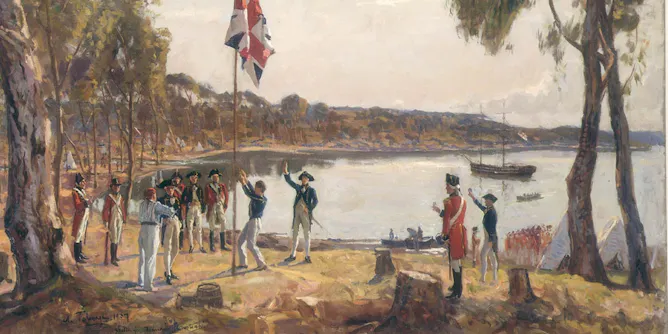
Britain had an urgent problem after it lost its American colonies: where to send its convicts. It settled on NSW after rejecting other options, but the new spot didn’t exactly live up to its billing.
Articles on Aboriginal history
Displaying 41 - 60 of 112 articles

An honest reckoning with Captain Cook’s legacy won’t heal things overnight. But it’s a start
The Conversation41.4 MB (download)
The impact of 1770 has never eased for Aboriginal people. It was a collision of catastrophic proportions.
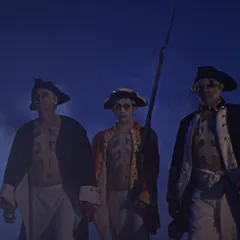
Incidents from Cook’s first voyage highlight themes relevant in Indigenous-settler relations today: environmental care, reconciliation and governance. This collision of beliefs, it seems, wasn’t lost on Cook.
State archives hold precious Noongar letters pleading for the return of Stolen Generations children. Among them, I find my grandmother’s grandfather: historical records of love.

New research shows just how many first people were needed to create a viable population in what is now Australia.

The story of Australia has been studied and explored many times by researchers. Look what they’ve revealed, so far.
Mukurtu: an online dilly bag for keeping Indigenous digital archives safe
The Conversation71.5 MB (download)
Mukurtu - Warumungu word meaning 'dilly bag' or a safe keeping place for sacred materials - is an online system helping Indigenous people conserve photos, songs and other digital archives.
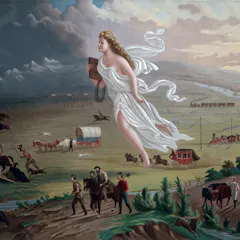
Progress, in historical terms, has so often meant clearing places of their native inhabitants – both human and non-human.

Etchings over much earlier Aboriginal engravings show foreign whalers made contact with Australia’s remote northwest long before colonial settlement of the area.
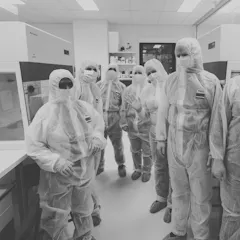
Museums around the world hold remains of Aboriginal people that were often taken without permission and in the absence of accurate records. New DNA methods may help return these items to country.

When the remains of Aboriginal people who died more than a century ago were found, the local Aboriginal community wanted to know more about these past lives.
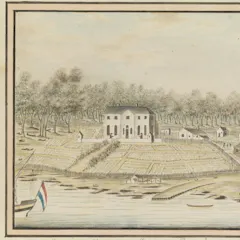
The NSW government has purchased the land where Bennelong is buried. His third wife played a key role in the early colonisation of Australia.
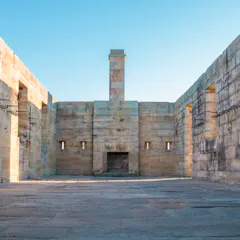
The 1991 Royal Commission into deaths in custody was preceded by an 1850 inquiry, which recommended that Aboriginal people be released should their health deteriorate in gaol.
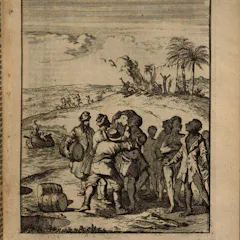
The image, depicting a group of Indigenous people resisting their enslavement, predates the next oldest image by 75 years.

They were looking to study rock art at a remote desert site but what they found showed people had been using the place almost since the first people arrived in Australia.
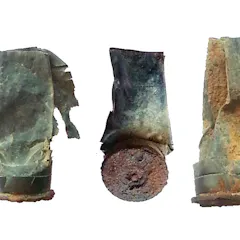
For 60 years, native police were deployed in Queensland to ‘disperse’ Aboriginal communities (a euphemism for systematic killing). Unearthing their camps is a key part of reckoning with the violence of those times.
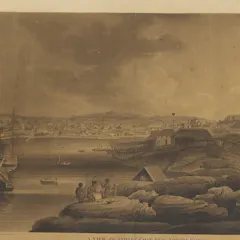
Australia still hasn’t answered how Aboriginal people became protected by British law and lost all their land at the same time. If it can’t be resolved here, it might be time for international courts to weigh in.

Sap from one tree collected in hollows in the bark, and natural yeast fermented the liquid to an alcoholic drink used by Aboriginal people. Europeans called the tree a cider gum because of the taste.
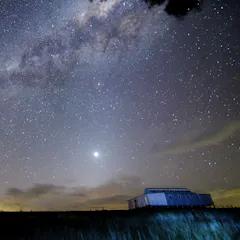
The planets we can see in the sky were known to the ancient Greeks as ‘wandering stars’. But they appeared much earlier in the stories and traditions of Australia’s Indigenous people.

Aboriginal Australians have effectively been on their country for as long as modern human populations have been outside of Africa. We have a limit as to how long ago that was: around 50,000 years.
Top contributors
-

Professor of Archaeology and Biological Anthropology, School of Social Science, The University of Queensland
-
Sean Ulm is a Friend of The Conversation.
Director, ARC Centre of Excellence for Indigenous and Environmental Histories and Futures, James Cook University
-
Distinguished Professor, Charles Sturt University
-
Laureate Professor in Archaeology, The University of Western Australia
-
Professor, School of Humanities, Languages and Social Science, Griffith University
-
Professor, Director of Centre for Rock Art Research + Management, The University of Western Australia
-
Matthew Flinders Professor of Global Ecology and Node Leader in the ARC Centre of Excellence for Indigenous and Environmental Histories and Futures, Flinders University
-
Sir John Monash Distinguished Professor, Monash University. Deputy Director ARC Centre of Excellence for Indigenous and Environmental Histories and Futures, Monash University
-
Research scientist, Griffith University
-
Professor in History, University of Tasmania
-
Michael Bird is a Friend of The Conversation.
JCU Distinguished Professor, ARC Centre of Excellence for Indigenous and Environmental Histories and Futures, James Cook University
-
Partner Investigator, ARC Centre of Excellence for Indigenous and Environmental Histories and Futures, James Cook University
-
Senior Research Fellow, Indigenous Land & Justice Research Group, UNSW
-
Professor of Evolutionary Biology, Griffith University
-
ARC Future Fellow, La Trobe University