
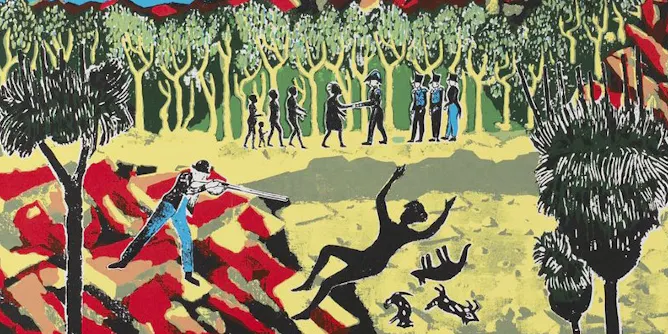
It is 50 years since anthropologist W.E.H. Stanner gave the Boyer Lectures in which he coined the phrase ‘the great Australian silence’. How far have we come since?
Articles on Aboriginal history
Displaying 61 - 80 of 112 articles
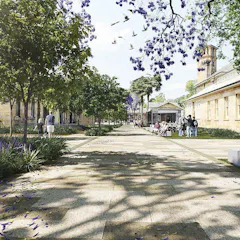
Sydney’s Parramatta is developing fast, building over a rich archaeological history. Finding ways to retain it can help visitors and residents feel a sense of physical connection with those who came before.
The first people to make it to Australia could have navigated their way by sea crossing, reaching the north-west coastline of the island continent more than 50,000 years ago.
While planning policies and practices have contributed to marginalising Indigenous people, planners can now work with them to ensure they have their rightful say in shaping Australian communities.
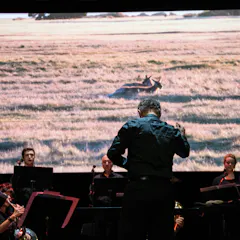
A Tasmanian Requiem brings together Western and Aboriginal voices to confront the violence of the state’s Black War. It shows what a historical reckoning, and reconciliation, might look and sound like.
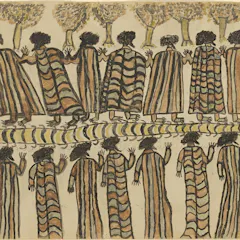
Colony at the NGV pairs colonial art with Indigenous responses, in an effort to create dialogue about Australia’s history.
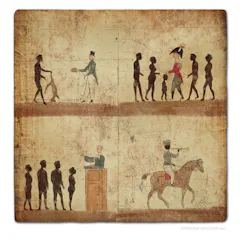
In the early days of colonial Tasmania, the British used threatening picture boards to communicate with Aboriginal people, giving them a choice between conciliation and death.
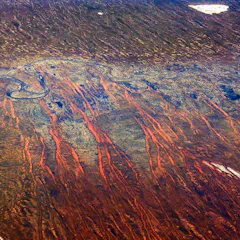
The origin of around 300 of Australia’s Aboriginal languages lies in Queensland, about 6,000 years ago.
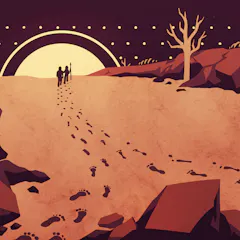
When did Australia’s human history begin?
The Conversation, CC BY16.6 MB (download)
Today's episode of Essays On Air, the audio version of our Friday essay series, seeks to move beyond the view of ancient Australia as a timeless and traditional foundation story.
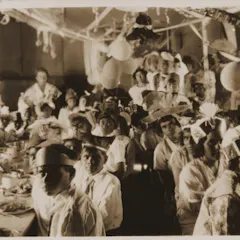
Aboriginal missions were notorious for their austerity, but Christmas was a brief time of joy. While celebrations had a sinister assimilationist edge, Aboriginal people often adopted traditions into their own culture.
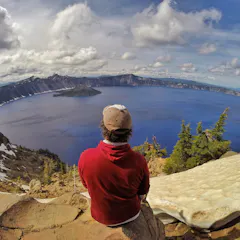
Old stories from around the world tell of drowned islands, volcanic eruptions and upheavals to the land around them. Increasingly we are realising these tales preserve actual memory, often from thousands of years ago.
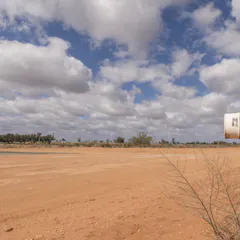
The remains of the first known Australian, Mungo Man, begin their journey home today. Scientists hope they’ll still get a chance to study the ancient remains, working with the Traditional Owners.
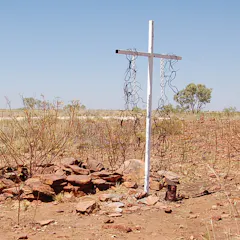
The local Aboriginal people told stories and painted images of a massacre of their ancestors in the early 20th century, but there was no other evidence that the incident took place. Until now.

Wooredy and his second wife Truganini set off into the Tasmanian wilderness with settler George Robinson in 1830, on a “conciliatory” mission to find other original Tasmanians. Their stories bear witness to a psychological and cultural transition without parallel in modern colonialism.
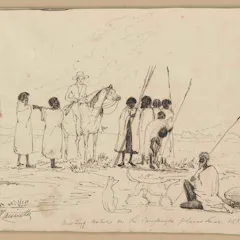
George Hamilton published An Appeal for the Horse in 1866, a defence of animal welfare well ahead of its time. However, his compassion for Aboriginal people was conspicuously lacking.

Beauty brand Dove caused controversy with an ad seemingly showing a black woman turning white after using its body lotion. While Dove removed the ad, it played into the racist history of skin whitening.
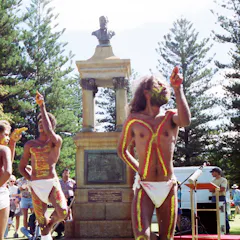
A Fremantle monument to three white explorers was revised in 1994 to acknowledge the violence committed against Indigenous owners. As Australia struggles to reconcile its racist past, perhaps this monument shows a way forward.
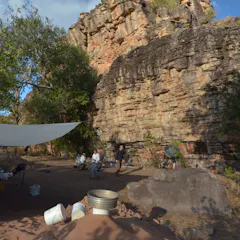
A new study pushes back the first known evidence of human activity in Australia – to 65,000 years ago.

Indigenous peoples have very little power when it comes to education policy. Goals, targets and strategies are instead set by the government.
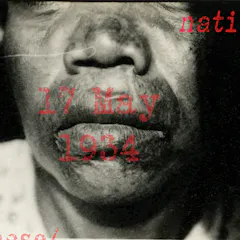
The National Gallery of Australia’s Third National Indigenous Art Triennial presents a passionate well-considered argument for an enduring Aboriginal culture.
Top contributors
-

Professor of Archaeology and Biological Anthropology, School of Social Science, The University of Queensland
-
Sean Ulm is a Friend of The Conversation.
Director, ARC Centre of Excellence for Indigenous and Environmental Histories and Futures, James Cook University
-
Distinguished Professor, Charles Sturt University
-
Laureate Professor in Archaeology, The University of Western Australia
-
Professor, School of Humanities, Languages and Social Science, Griffith University
-
Professor, Director of Centre for Rock Art Research + Management, The University of Western Australia
-
Matthew Flinders Professor of Global Ecology and Node Leader in the ARC Centre of Excellence for Indigenous and Environmental Histories and Futures, Flinders University
-
Sir John Monash Distinguished Professor, Monash University. Deputy Director ARC Centre of Excellence for Indigenous and Environmental Histories and Futures, Monash University
-
Research scientist, Griffith University
-
Professor in History, University of Tasmania
-
Michael Bird is a Friend of The Conversation.
JCU Distinguished Professor, ARC Centre of Excellence for Indigenous and Environmental Histories and Futures, James Cook University
-
Partner Investigator, ARC Centre of Excellence for Indigenous and Environmental Histories and Futures, James Cook University
-
Senior Research Fellow, Indigenous Land & Justice Research Group, UNSW
-
Professor of Evolutionary Biology, Griffith University
-
ARC Future Fellow, La Trobe University