
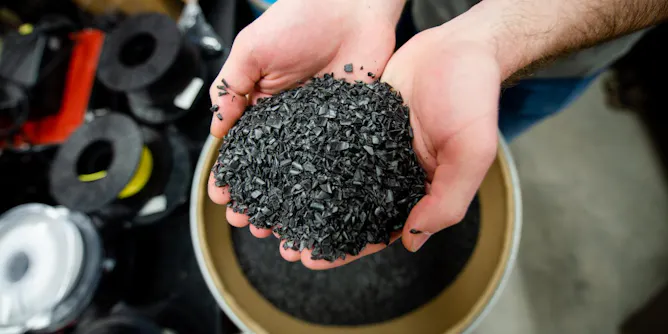
Consumers can turn plastic waste into valuable products at minimal cost using the open source technologies associated with DRAM – distributed recycling and additive manufacturing.
Articles on 3-D printing
Displaying 21 - 40 of 131 articles
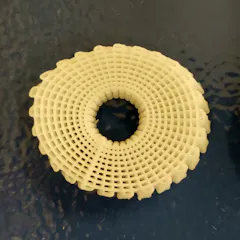
A cutting edge new research project is developing Lego-like bricks made from biomaterials to replace bone fragments in shattered limbs.
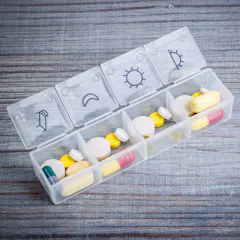
New manufacturing processes will revolutionise the way we take our medicines.

Some of the worst health performers in recent weeks have been ‘First World’.
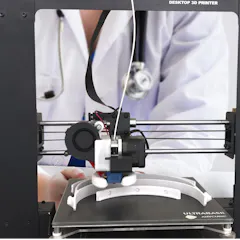
Designers, engineers, makers and doctors worldwide have used 3D printing to produce products such as face shields, face masks, ventilator components, hands-free door openers and nasal swabs.
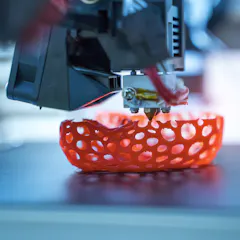
The rush to make personal protective equipment like facemasks and face shields using 3D printers shows that the technology can help circumvent global supply chain disruptions.
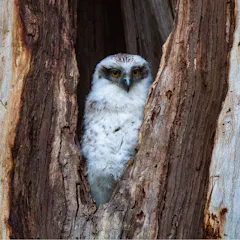
Powerful owls need old, hollowed-out trees to nest in, but humans keep chopping them down. Now, designers have partnered up with ecologists to build them high tech artificial nests.

PODCAST: The third part of a series from The Anthill podcast on how personalised medicine may become in the future.
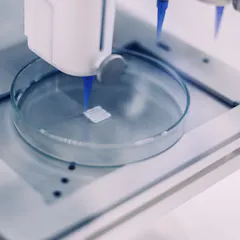
Bioprinting, an offshoot of 3D printing, is advancing so rapidly that regulators have been caught off guard. Two legal scholars argue patients and manufacturers would benefit from clearer rules.
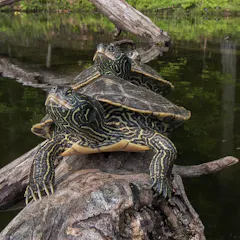
New technologies are revealing more about the secret lives of underwater turtles. Using underwater cameras and 3D printing, researchers are learning more than ever before.
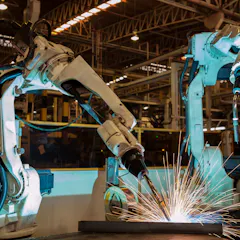
A manufacturing engineer describes the concept for a technology that could lead to more efficient production – and perhaps a tool to revive US manufacturing.
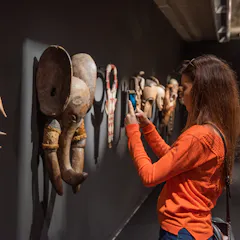
New technology means museums can return items to their countries of origin while still representing those cultures in fair, interesting ways.
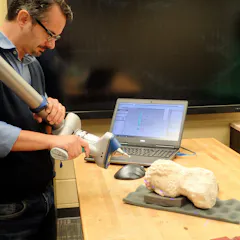
Davide Tanasi, a digital archaeologist, thinks it’s a pity when historical artifacts are locked away in storage. He’s working to fix this by sharing them as 3D models.
Our understanding of where new and exciting ideas come from in the business world is backwards.
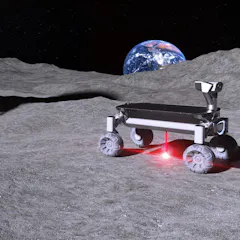
Why wait for parts and equipment to arrive from Earth when you can print your own from moondust?
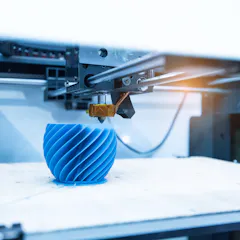
Why you shouldn’t be afraid: it won’t steal our jobs or destroy the environment.
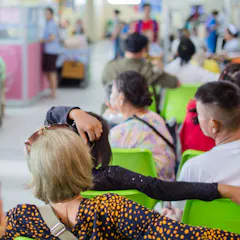
There is a stark mismatch between the elements required of a modern news story – unique, high impact – and the reality of medical research being slow, meticulous and progressing one step at a time.
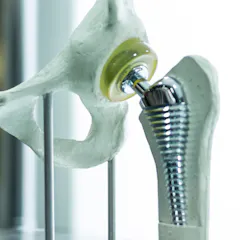
Titanium is a tough but light metal that makes great replacements for bone in our body. But it has plenty of other uses in industry as well.
Museums are experimenting with 3D printed replicas of artefacts – meaning that the public can get closer to cultural heritage than ever.

3-D printing has the potential to disrupt local manufacturing, and re-configure approaches to urban design, planning and production.
Top contributors
-

John M. Thompson Chair in Information Technology and Innovation and Professor, Western University
-
Head of Research Compute Services, The University of Melbourne
-
Lecturer, Adelaide University
-
Senior lecturer, University of Wollongong
-
Former Academic Research Fellow, Khalifa University
-
Assistant Professor in Additive Manufacturing Management, University of Nottingham
-
Senior Lecturer, Department of Mechanical Engineering, University of Sheffield
-
Professor in Intellectual Property and Innovation Law, Queensland University of Technology
-
Research Fellow, University of Wollongong
-
Associate Professor of Chemical and Biomolecular Engineering, The University of Melbourne
-
SHARP Professor, Vitalities Lab, Centre for Social Research in Health and Social Policy Centre, and the ARC Centre of Excellence for Automated Decision-Making and Society, UNSW
-
Research Engineer, The University of Melbourne
-
VC Postdoctoral Fellow, RMIT University
-
Professor of Intellectual Property and Innovation Law; Director Centre for Intellectual Property Policy and Managament (CIPPM), Bournemouth University, Bournemouth University
-
Senior Research Fellow and Adjunct Lecturer, The University of Queensland