

There’s a lot that Richard Denniss gets right. Neoliberalism clearly has an array of problems. But he risks throwing out what is good about liberalism in attacking neoliberalism.
- Scientia Professor of Economics, UNSW
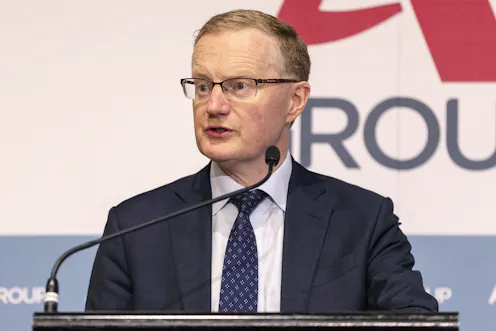
Reserve Bank of Australia governor Philip Lowe has effectively ruled out an interest rate rise until wage growth tops 3%.
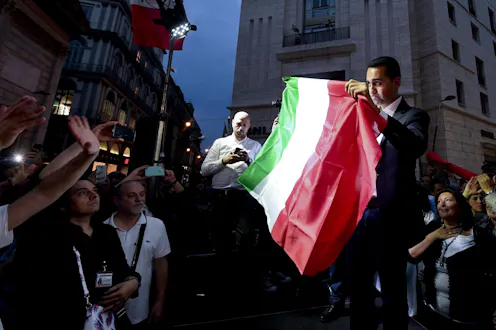
Italy’s economy is verging on bankrupt and its election results have dealt a hammer blow to the prospects of fixing things. The best option, financially at least, may be to put someone else at the helm.
At least for the next few months, what happens overseas will be more important for the Australian economy than domestic factors
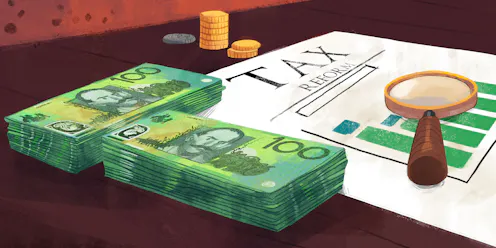
It seems that timing tricks are now a thing in Australian politics. Revenues are brought forward and spending pushed back for cosmetic effect.
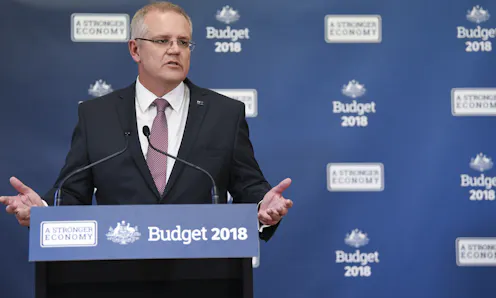
Even though this year’s budget is pretty good politics and reasonable economics, on almost every front, it is a missed opportunity to be bold.
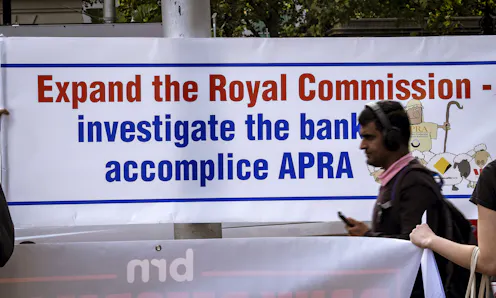
All eyes will be on how ASIC and APRA respond to the findings of the banking royal commission. Will they be defensive about past mistakes, or move forward with tighter regulations?
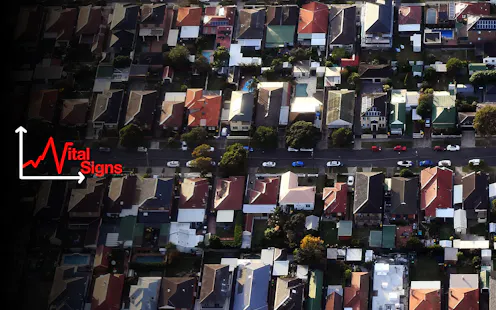
If we do escape the interest only debacle unscathed it will be pure, dumb luck, not a consequence of good design or sound regulation.
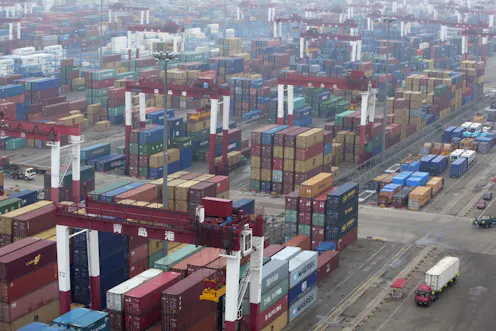
Chinese exports to the US grew rapidly during the quarter, but it could be a very different picture next time around.
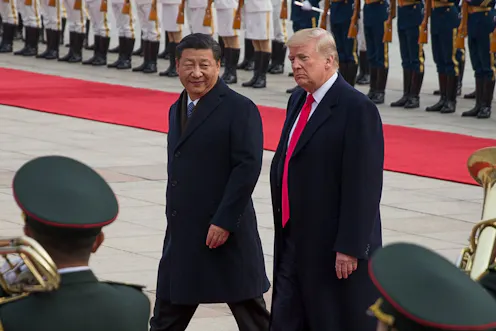
Chinese President Xi Jinping spoke of plans to further open up the Chinese economy this week - and the world economy should hope US president Trump feels vindicated by this.

The Reserve Bank is clinging to sunny GDP forecasts, but stubbornly low inflation and low wage growth mean even these look weak.
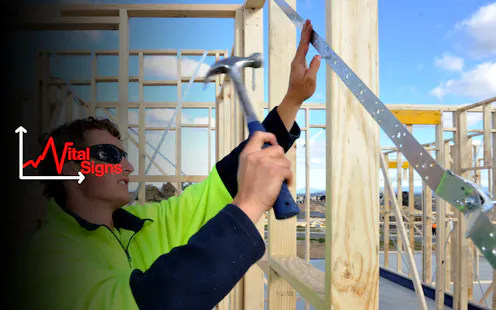
The construction sector works on a bit of a time lag. So there are a bunch of projects underway that were premised on the loose credit of recent years.
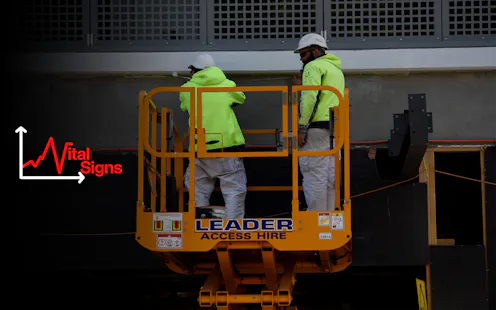
Statements from the RBA show it’s little wonder markets are not predicting a rate increase this year.
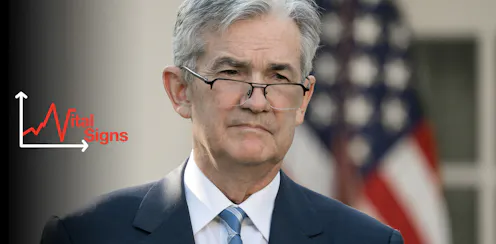
The data shows a tricky balancing act for policy makers. Interest rates will need to rise but too quickly could squash the recovery.

Weak Australian inflation and housing credit data mean the Reserve Bank is unlikely to move on interest rates.
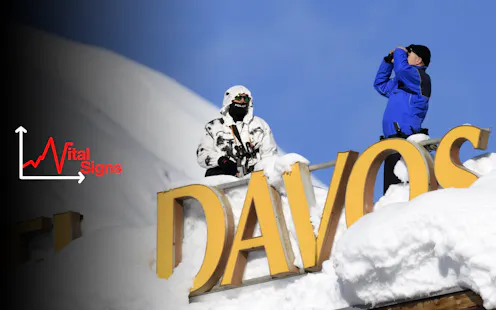
It will be the private remarks between senior Australian business leaders and foreign investors at Davos that will likely be the most consequential for the Australian economy in the coming few years.
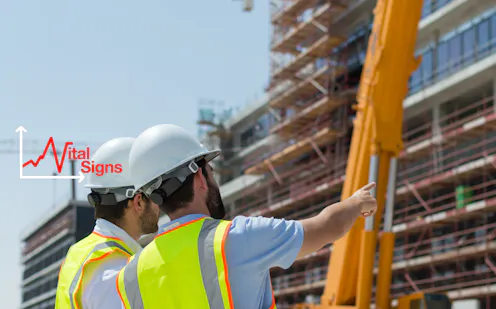
The number of jobs might be going up but the real test will be whether wages rise too.
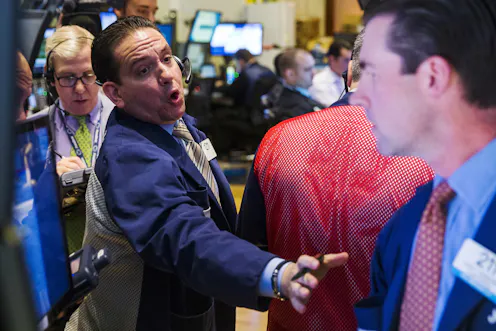
The odds are that we get through 2018 without war, mass capital flight, or a housing crash. But all the risks are medium probability, and the consequences could be dire.
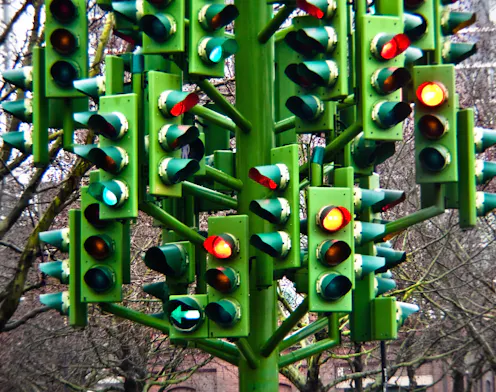
Housing and wages loom as stubborn problems that could bring our economy unstuck in the year ahead.
Any number of implicit and explicit deadlines make 2018 look like a more eventful year than most.
The narrative that Australia has “transitioned from the mining boom successfully” seems a lot like wishful thinking.
The latest report from the Committee for Economic Development of Australia points to shifting global winds on globalisation and free trade. What can Australia do to continue to weather the storm?
Business conditions aren’t translating to confidence, despite growing profits and jobs.

Why is it that the US – which suffered a major downturn – seems to have a stronger economy than Australia , which did not even go into recession in 2008-09?

The economic models we used in the past haven’t adjusted for the realities of today, like diminished union power and underemployment.
Contact Richard for
- General
- Media request
- Speaking request
- Consulting / Advising
- Research collaboration
- Research supervision
