

The economic news of the week wasn’t that bad - but there’s still plenty of timid types around.
- Scientia Professor of Economics, UNSW

Low inflation gives the RBA scope to cut rates in coming months but a lot will turn on whether we continue to see persistently weak GDP growth.
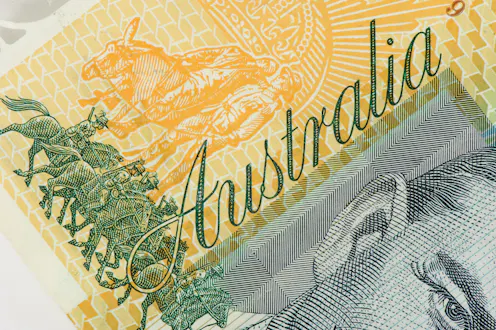
The reporting of “higher than expected” inflation seemed a bit overblown.

This week delivered more evidence that advanced economies are suffering from secular stagnation, hampering any real growth.

Challenging, inspiring and funny: a handful of our economics writers share the favourite books they read this year.
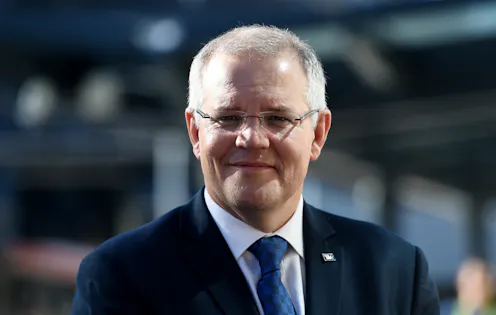
The MYEFO numbers aren’t going to be pretty - but the projected future budget deficits are a fantasy.
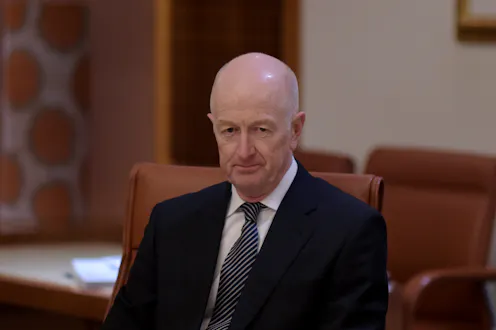
The Reserve Bank of Australia has decided to leave the official cash rate unchanged at a record low of 2%, but said there was scope for a rate cut down the line.
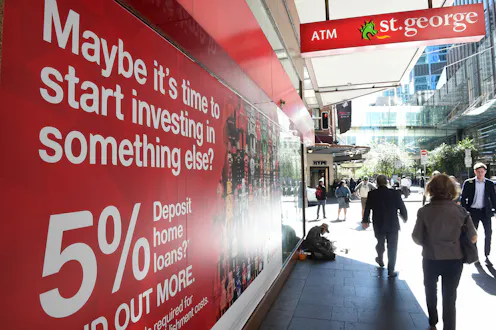
Banks might be pushing rates up, but the Reserve Bank’s focus should be on who they’re lending to.
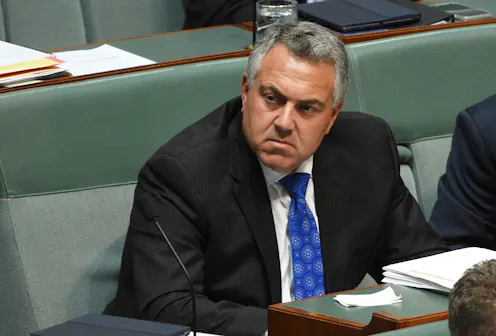
Joe Hockey thought repeating a few slogans was enough; but selling the economy is harder than it looks.
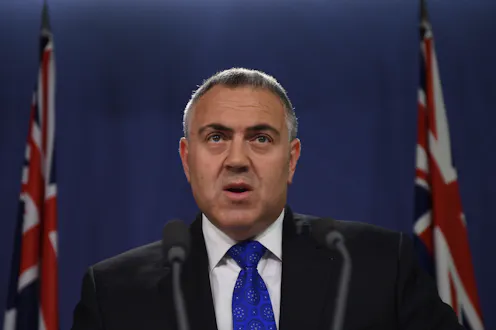
Australia has had 24 years of consistent growth. Is it all about to come to a crashing end?
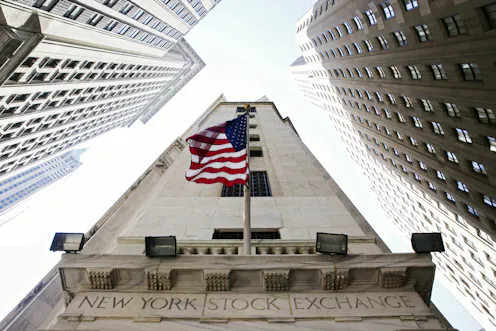
We should not panic over the events of the last week. But slowing growth in China and concerns over “secular stagnation” in advanced economies present huge challenges.
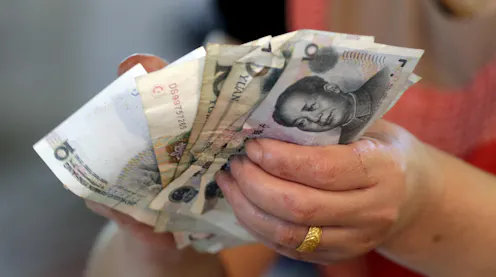
China’s actions around the yuan are less dramatic than they have been portrayed. But what’s behind the drop is the major worry for Australia.

An Adelaide law firm announced its plans to charge law graduates A$22,000 up front for a job with them. While we are facing a problem of an oversupply of law graduates, this isn’t the way to go about solving it.

High university fees can make it difficult for graduates to pursue lower-paid public benefit jobs, sending them to the private sector.
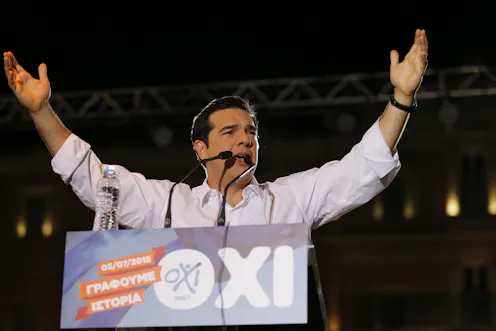
Academic experts respond to the No vote in Greece’s referendum on whether or not to accept a bailout offer from their international creditors.

Do our share prices effect the wisdom of crowds, or the madness of crowds? It’s the perennial economic debate.

Asymmetric information – where one party to a potential transaction knows more about the deal than the other – can cause markets to collapse. Luckily, we’ve invented a few tricks to deal with it.
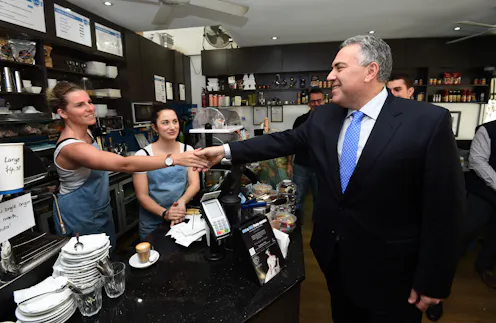
Business confidence might be up after the budget, but there are more reliable measures of what’s really driving the economy.
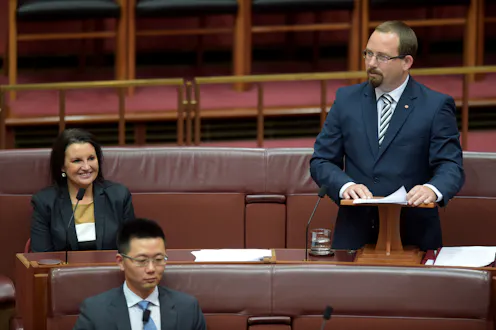
Regardless of what is or isn’t in this week’s federal budget, a disparate group of people stand to make or break any new reform measures.
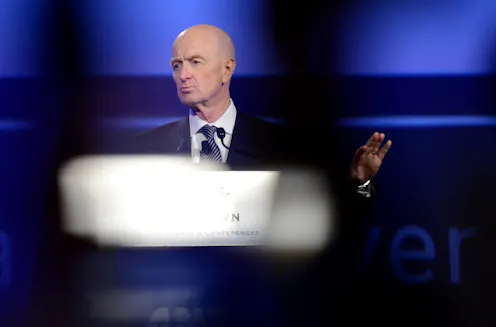
With today’s cut, interest rates are at a record low, due in large part to ongoing concerns about the global economy.
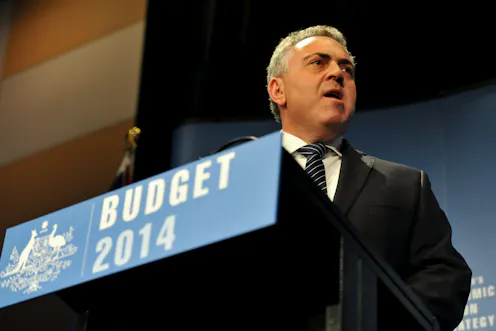
If you’ve ever felt bamboozled by the reams of information released in the federal budget, this simple how-to guide should help.
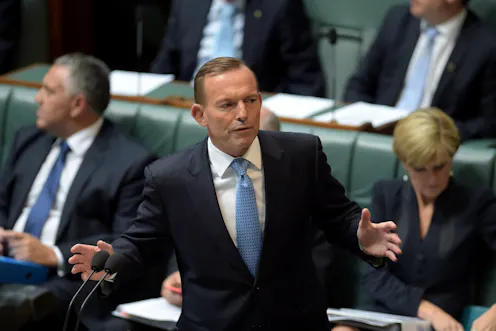
Until government leaders acknowledge Australia’s structural deficit and stop obsessing about debt, voters will be left frustrated.
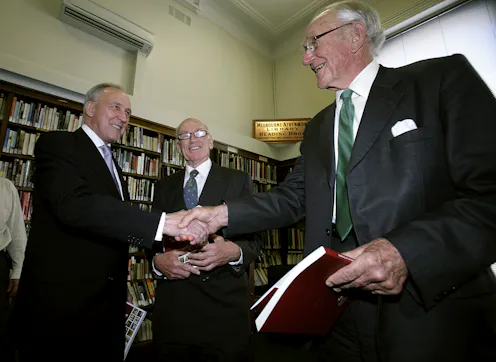
Malcolm Fraser’s economic style was pragmatic, but he resisted the ‘dries’ in his party.
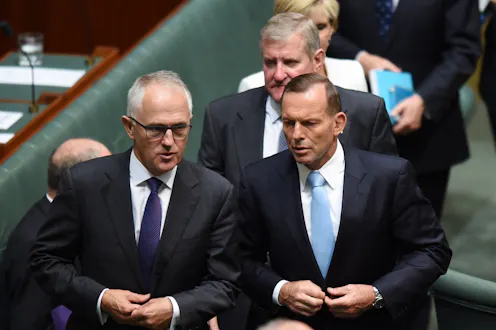
In the wake of Monday’s attempted Liberal leadership spill, Australian Prime Minister Tony Abbott clearly needs to do something to shore up support. He’s been offered all manner of unsolicited advice…

There continues to be a lot of discussion about the future of tertiary education in Australia. Should fees be deregulated, places capped, interest on student loans charged at the bond rate? And on, and…
Contact Richard for
- General
- Media request
- Speaking request
- Consulting / Advising
- Research collaboration
- Research supervision
