
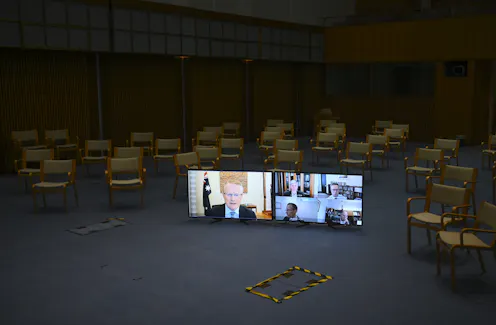
The Reserve Bank Australia has exhausted the limits of monetary policy, There’s no magic pudding, says governor Philip Lowe.
- Scientia Professor of Economics, UNSW

Australia’s higher education sector needs significant reform to remove the perverse incentives that have made universities dependent on revenue from international students.

Employers have long feared that working from home makes employees less productive. An analysis of 3 million workers in 16 cities during lockdowns suggests the opposite.

The evidence is in and the answer is clear. We must try and eliminate COVID-19 for the health and economic benefit of Australians of all ages.

Economics tells us that governments privatising services where quality counts is a bad idea.
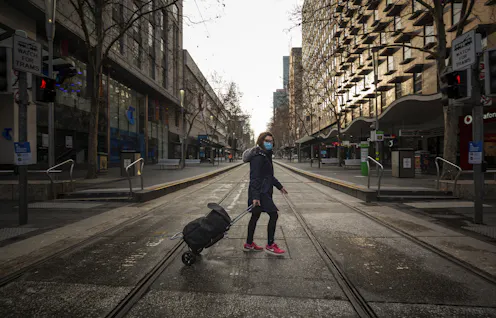
Research suggests the coronavirus pandemic’s greatest impact is due to people changing their behaviour voluntarily. So we may be overestimating the costs of government restrictions.
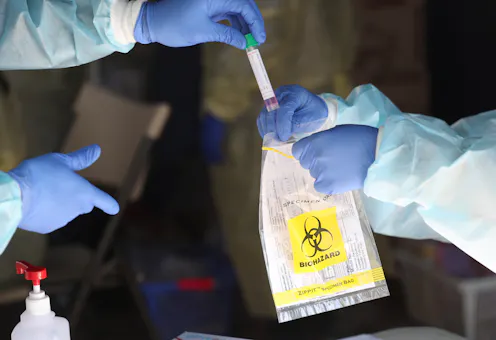
To control the COVID-19 pandemic through random testing would require about 6.5 million test a day. Using group testing and machine learning could get that number down to fewer than 40,000 day.
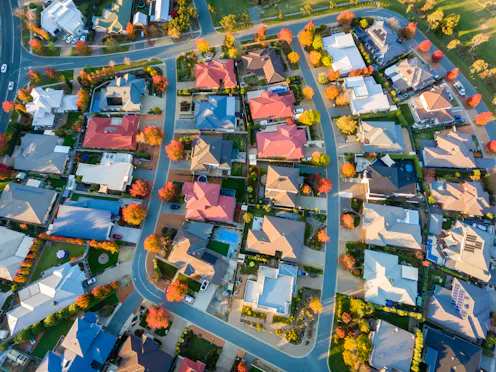
It’s time to reform stamp duty, one of the most inefficient and distorting taxes collected by Australia’s state and territory governments.
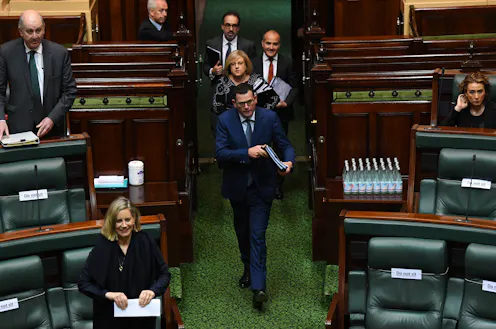
We judge the competency of politicians by what they say and do. This creates perverse incentives for even competent politicians to refuse to admit mistakes.
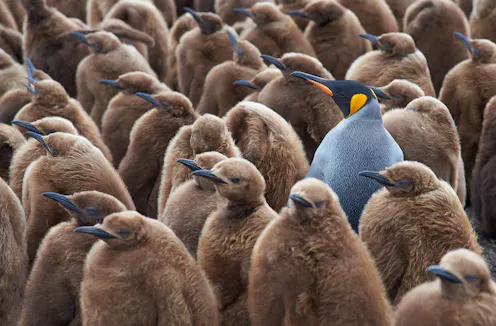
This recession is not like any other in living memory. Phase one involved a massive supply shock. Phase two will involve dealing with a collapse in demand.

Competition in the marketplace for ideas is different to competition in the market for ordinary goods and services. Bad ideas don’t necessarily get trashed.
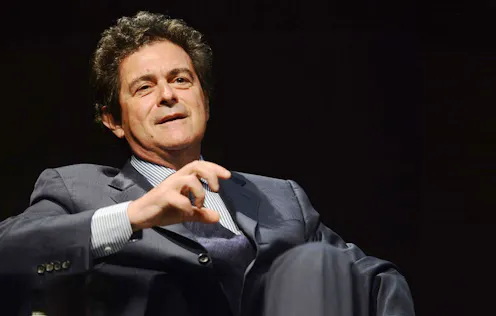
Much of what we now think is obvious about politics and economics was worked out by Alberto Alesina.
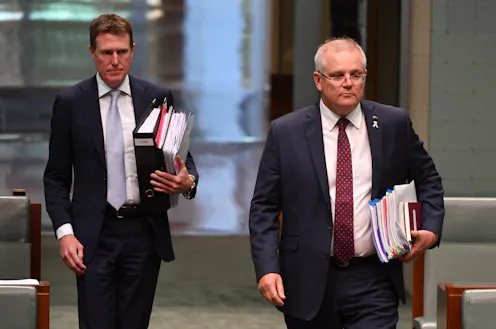
Scott Morrison may have realised his real power is not as an advocate but a broker.

China’s dumping stoush with Australia isn’t just about barley. But it is about trade and unfinished business in global trade rules.

A realistic estimate of the economic costs of a two-year lockdown amounts to $90 billion. The benefit in lives saved amounts to at $1.1 trillion.
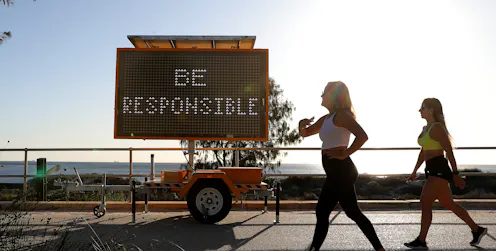
Government rules do more than simply define what is permissible. They also signal information that influences public behaviour in other areas of life.

In a crisis, there’s no time to get perfect evidence. The evidence that lockdowns contain contagion and boost subsequent economic growth is persuasive.

We’ll need to spend at least an extra 15-20% of GDP per year. It’ll be more palatable if it is funded by COVID bonds.

For the app to work well, we might need an 80% take-up. Unless it is made mandatory, we’ll need both private and social incentives.
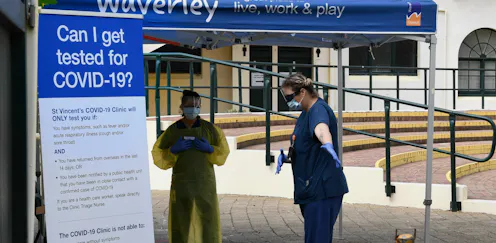
Leading Australian economists in four countries have signed an open letter calling on the national cabinet to think carefully before easing restrictions ‘for the sake of 'the economy’.
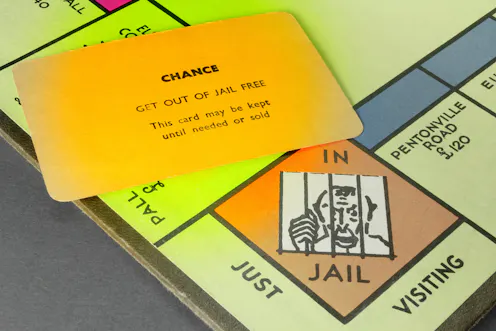
APRA is allowing the big four banks to coordinate in a way that might otherwise be illegal.

There are claims our social-distancing measures are too extreme. Good economists disagree.
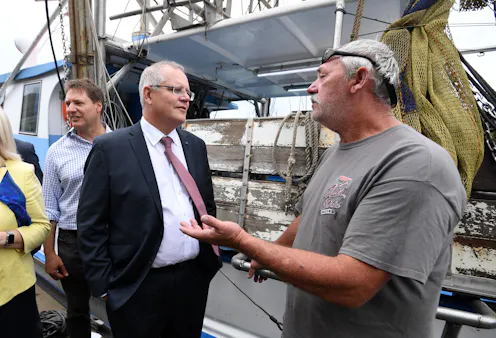
We now need a revolution in our national thinking about debt and deficits.
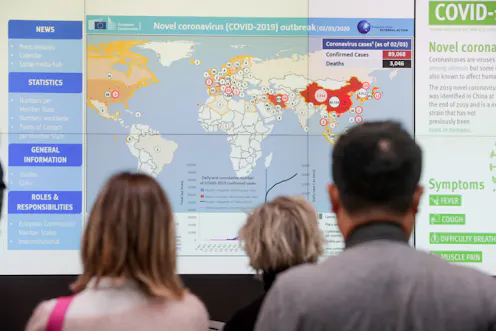
The US Fed’s surprise rate cut might not achieve a lot. But it definitely sends a message the COVID-19 virus crisis is a really big deal.

The climate action plans of three companies in different industries – Delta Air Lines, Amazon and Microsoft – illuminate the three key strategies needed to cut carbon emissions.
Contact Richard for
- General
- Media request
- Speaking request
- Consulting / Advising
- Research collaboration
- Research supervision
