
Australia needs to change its national accounting system to be more like the private sector.
- Scientia Professor of Economics, UNSW
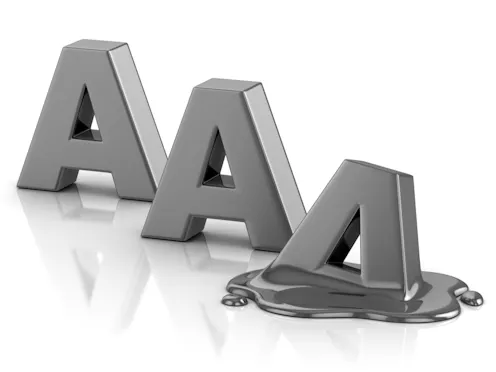
Ratings agency S&P seems unconvinced of the Australian government’s ability to reduce the budget deficit.
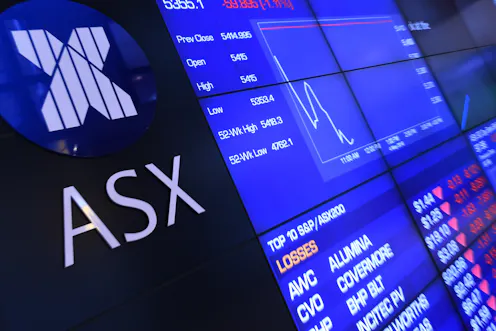
Financial markets appear to have been caught off-guard by Britain’s decision to exit the European Union, believing it would remain.
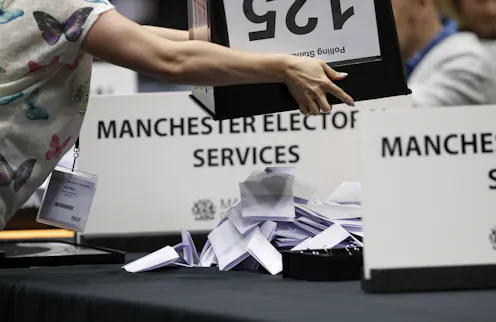
Serious problems may loom. And not just from a possible vote from the Brits to leave the European Union.

The US has held off on raising rates, as the world waits to see which way the Brexit vote will go.

Small businesses are important employers. But the problem in the company tax debate is that they haven’t created many jobs. Unlike big business.
Vital Signs is a weekly economic wrap from UNSW economics professor and Harvard PhD Richard Holden (@profholden). Vital Signs aims to contextualise weekly economic events and cut through the noise of the…
Was Opposition Leader Bill Shorten right to say that $100 billion has been added to Australia’s national debt on the Coalition government’s watch?

GDP growth that doesn’t translate into income is no cause for celebration.

Independent senator Nick Xenophon told Q&A that foreign debt is approaching $1 trillion, up from $74 billion the previous year. Is that right?
Worse than expected business investment in both manufacturing and mining provides another nod towards secular stagnation.
We are all still learning the rules of the “secularly stagnant” global economy.
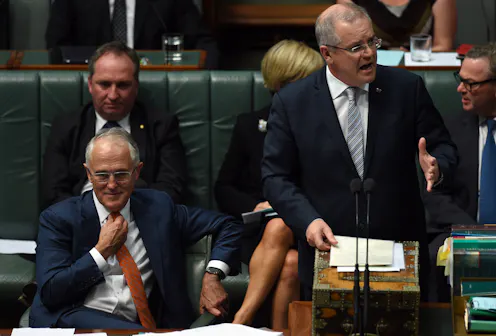
The budget is riddled with shabby timing tricks masquerading as good economic policy.
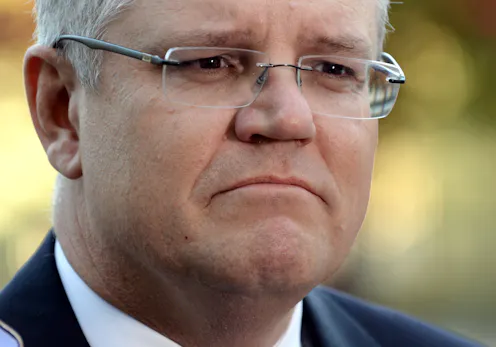
Next year, let’s ask for three budgets.

Watch out on budget day for how creative Treasury assumptions are on inflation.

They’re the lines you sometimes hear before or after budgets from governments and commentators of all persuasions. The problem is they go against reality.
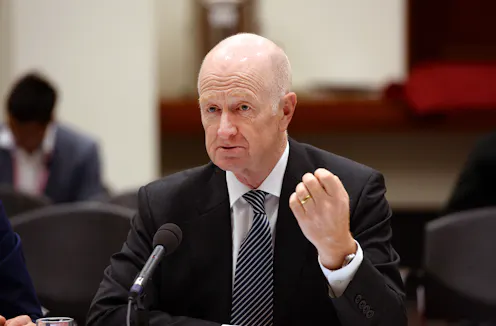
RBA Governor Glenn Stevens isn’t buying the secular stagnation theory, lending weight to the deficit hawks.
This week the IMF warns of secular stagnation while Moody’s ponders a credit downgrade for Australia if GST and negative gearing are not tackled.
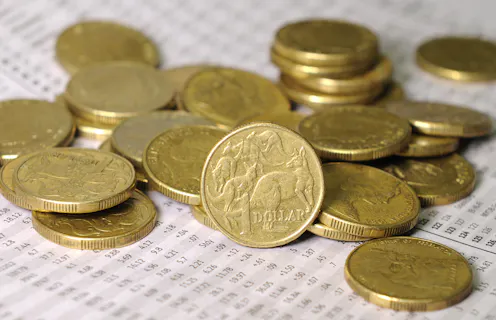
Expect the higher dollar to put strong downward pressure on already low interest rates.
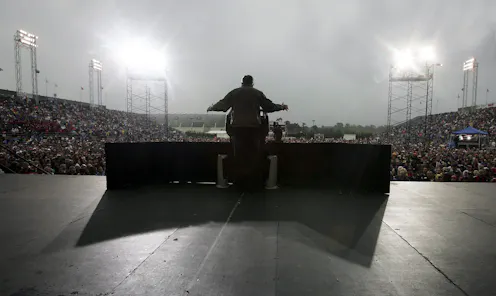
Longer campaigns suggest the government is confident in its ability to debate the issues, but also give it more chances to get caught out.
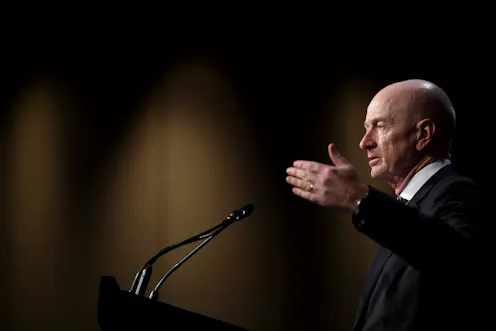
Once again the US-AUD exchange rate has monetary policymakers worried.
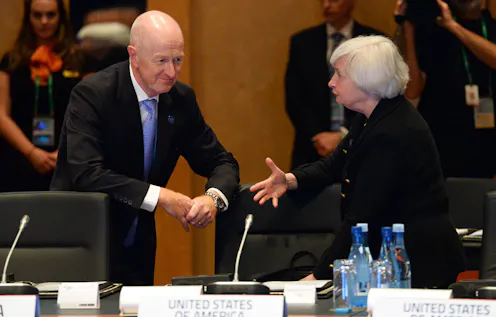
Both the US and Australia face a global economy that is in deep, deep trouble.
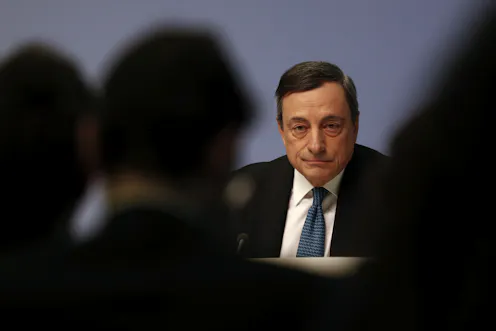
This week: a range of confidence measures, from not great to interesting for Australia; ECB confirms negative rates and further stimulus.
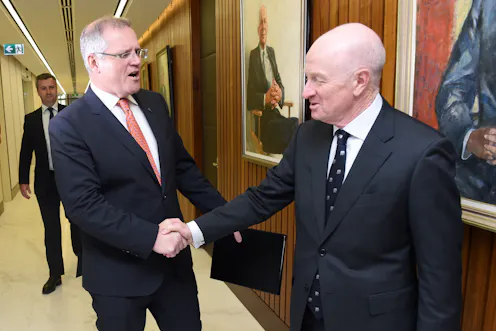
This week: the Australian economy exceeds expectations, while China continues to worry. RBA Governor Glenn Stevens has reason to smile, Janet Yellen less so.

There is more uncertainty in financial markets, an improving labour market in Australia (despite a monthly blip in January) and the US, but no sign of much growth.
Contact Richard for
- General
- Media request
- Speaking request
- Consulting / Advising
- Research collaboration
- Research supervision
