

Counterintuitively, vague incentives are often stronger than clear ones.
- Scientia Professor of Economics, UNSW

Prices are off, but from unprecedented highs. It could be a one-time adjustment.

The so-called ‘Australian model’ of ‘asset recycling’ is no miracle cure for US infrastructure problems.
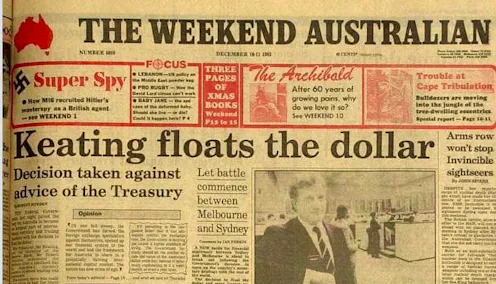
Floating the dollar 35 years ago was a leap into the unknown. Here’s how it has served us well.
The best time to shut down negative gearing is when few people are taking it up. That time is now.

It is possible to both tax carbon emissions and enrich households. A report to be released by UNSW today outlines how.
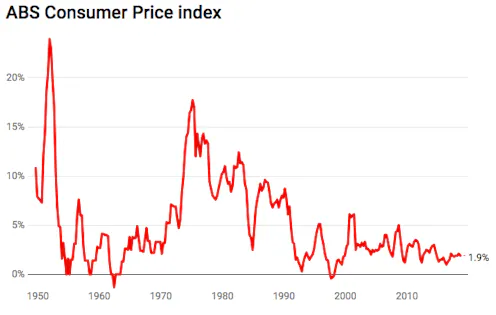
Hardly anyone believes that prices are really increasing by only 1.9% per year. The fault lies with us, and also the way the Bureau of Statistics adjusts prices for ‘quality’.

We should ignore out-of-date and failed theories and test what full employment really means in 2018.

Lifting the standards of rural and remote students to the those of urban students could boost the economy by 3.3%

The Reserve Bank is worried that a further tightening of lending standards could take the air out of the housing bubble quickly. Here’s how.

Australia’s unemployment rate may have to fall much more before we see any wages growth.
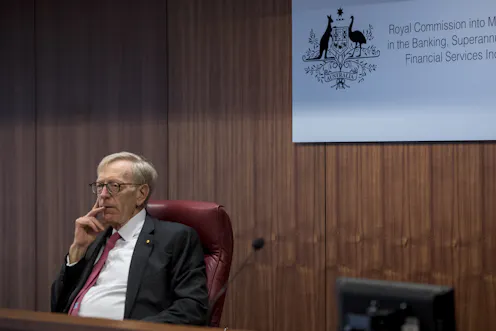
The banking royal commission’s most enduring legacy might be the cancer of too much caution throughout the financial services sector.
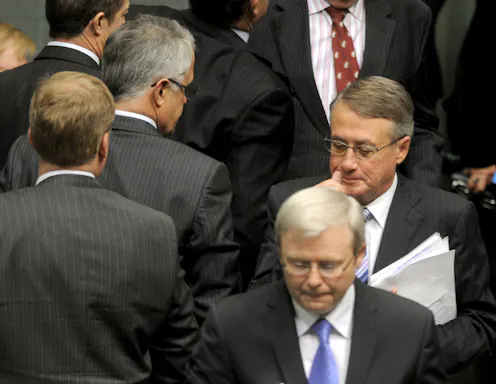
The debate ought to be about whether we should have spent big. It was good that we did. But we need to “reload” and get the financial system under control.

It is thought that it doesn’t help much to cut official interest rates toward or beyond zero, and maybe it doesn’t, but new research suggests the answer has a lot to do with the housing market.
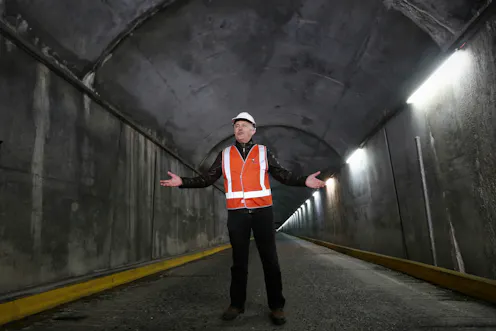
We are getting closer to being able to apply private sector rigour to the examination of public sector projects with social benefits.
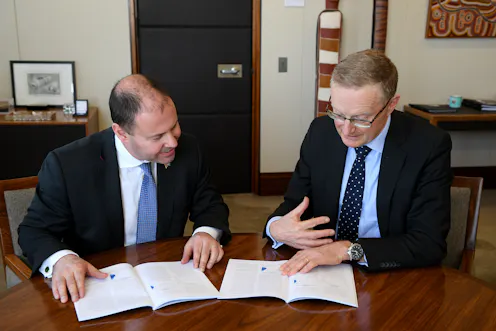
Wednesday’s national accounts were good, perhaps as good as they’ll get.

James Mirrlees died last Wednesday, aged 82. Australia owes him much.

The mere possibility of online competition is restraining prices offline.
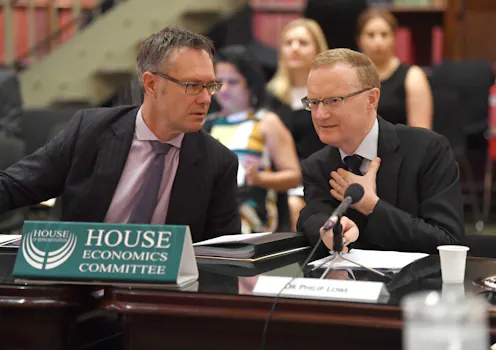
Immigration and light rail are both worthy topics of discussion, but it’s time to discuss a new monetary policy framework.

It is contagious populist ideology more than financial contagion that should scare us right now.
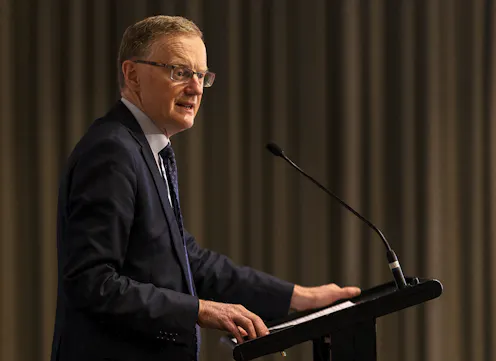
The new RBA monetary statement is just like the old one.

US quarterly GDP is at its highest point since 2014, but it’s unlikely to last for a number of reasons.
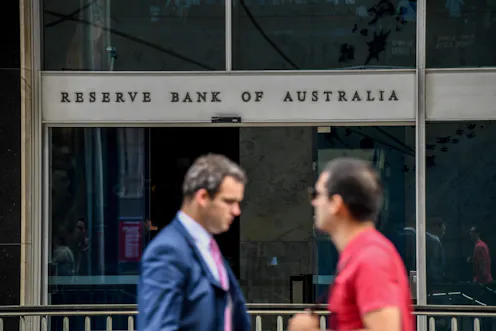
As with economic growth and wages, the RBA’s response seems to involve crossing as many fingers and toes as possible and publicly proclaiming that things are looking good.
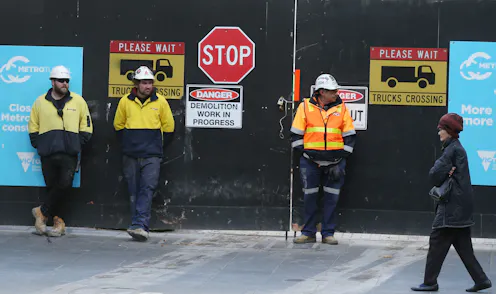
A big increase in employment but the unemployment is flat. Addressing this will be a challenge as all our options have downsides.

A whole bunch of folks are on the wire, and if their housing payments go up they are going to struggle.
Contact Richard for
- General
- Media request
- Speaking request
- Consulting / Advising
- Research collaboration
- Research supervision
