
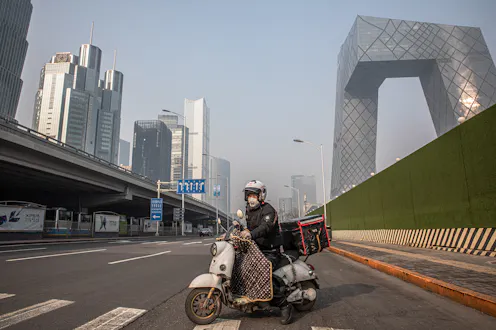
The same technological forces that make the Wuhan outbreak a global concern are also key to managing the crisis response.
- Scientia Professor of Economics, UNSW
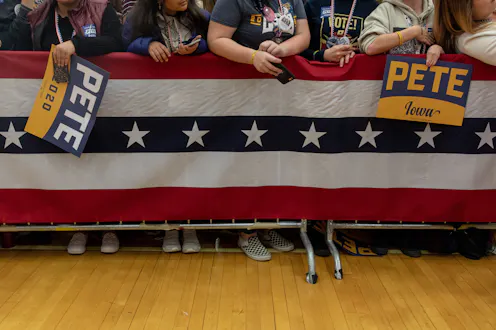
The Iowa caucuses have been criticised for being unrepresentative. But there are good reasons for small states to go first in the US primary process.
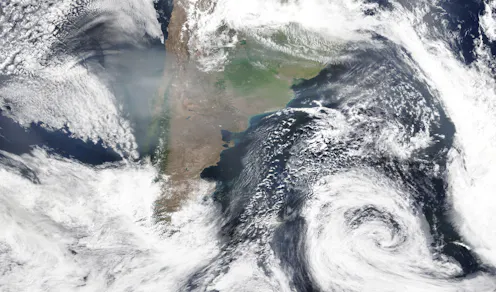
The idea that central banks should shift their mandates to take account of climate risks confuses ends and means.

Technological change has always destroyed jobs. But now automation and artificial intelligence are drying up the options for those displaced.

The idea there is no government fate worse than debt is misleading at best.

Charter of Budget Honesty aside, we can expect assumptions that stretch credulity so the Australian government can maintain its surplus forecast.

The skills children learn at school have dramatic implications for their own future and the nation’s productivity, living standards and income inequality.
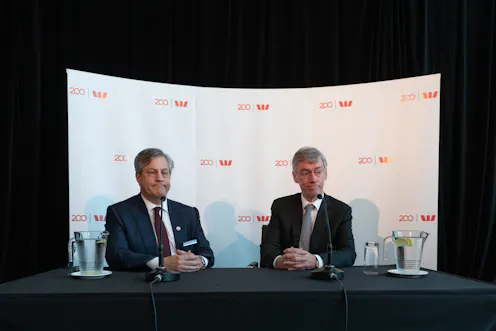
Board directors of our biggest companies simply aren’t equipped to take on management. An idea floated 50 years ago could help.
High income families could get up to $1,080 per year, others $618, but it could still be worthwhile.

Australia’s secret weapon has been faith in market outcomes combined with a strong social safety set.
The Reserve Bank of Australia says it’s prepared to ease monetary policy further if needed to stimulate the economy. But is the policy working when interests rates are so low?
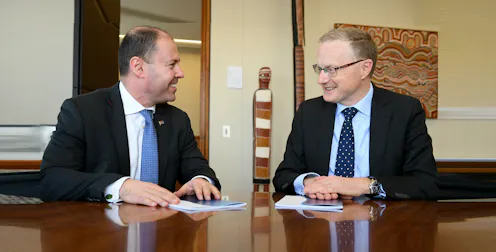
Every one of the 13 economists surveyed by The Conversation thinks more stimulus is needed. None think it should all come from the Reserve Bank. Most think the budget surplus can wait.
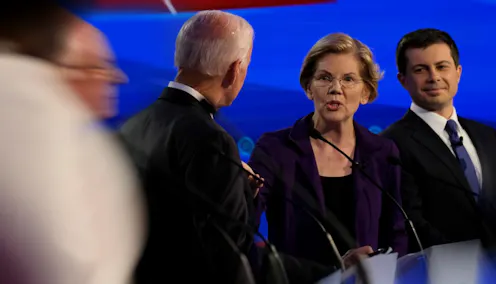
Other measures might raise as much as her proposed wealth tax, but Democratic front-runner Elizabeth Warren likes big gestures.

The inquiry will find we force workers to sacrifice income, pay tens of billions in super tax concessions, and still pay out one in every ten dollars of government earnings on pensions.
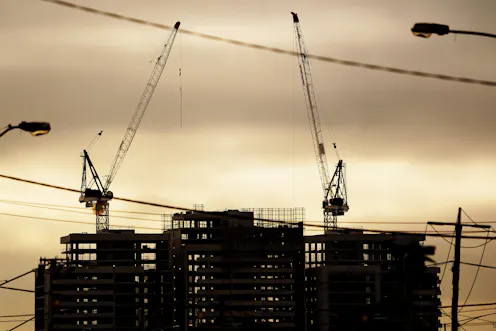
Record low interest rates will almost certainly drive up property prices. But they will also drive down unemployment and boost investment generally.
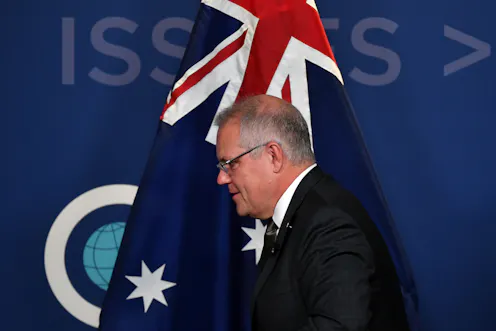
It will take skilled diplomacy for Australia to keep both China and the US happy, but it is important to do so.
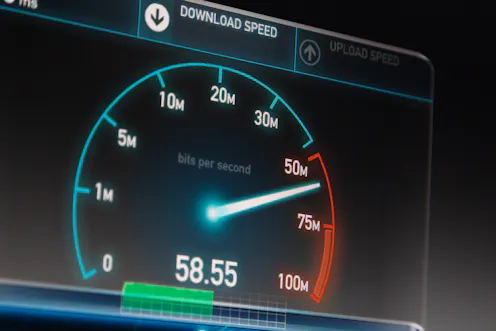
The mess made of National Broadband Network was entirely predictable. Politicians forgot three basic lessons from economics.

Michael Burry was right about the bubble that caused the Global Financial Crisis. He’s wrong about the next bubble being passive investment.

More than good management and more than good luck, we’ve been blessed by delightfully fortunate timing.

The government can help boost business investment, but it would take a boost in government investment and would keep the budget in deficit.

With a relatively low debt to GDP ratio, Australia was never at risk of becoming Greece. But Germany, with negative interest rates and scant prospects for economic growth, is an open question.

The progress we were making has been slowed or reversed, at exactly the wrong time.

Australia has more to fear than most countries from a global trade and currency war. All eyes will be on the Reserve Bank governor Friday as he attempts to outline what might happen.

The winner will set the course of America for years to come.

A bold government would have delivered stages one, two and three of the tax cuts at once. Boldness is what we need.
Contact Richard for
- General
- Media request
- Speaking request
- Consulting / Advising
- Research collaboration
- Research supervision
