
There was a fair bit of detail this week about what we can expect from the RBA and US Fed on interest rates going forward.
- Scientia Professor of Economics, UNSW

Uncertainty about energy prices and political dithering on company tax rates point to businesses waiting before investing heavily.
It is a puzzle as to why businesses are reasonably confident but not willing to invest.

The Conversation asked eight authors from across its sections to tell us about their favourite podcasts – and why you should tune in.
Investor loans are on the increase again, causing pause for the regulators.

Brexit and Trump pave the way for more financial market uncertainty.

If it is so easy to fix a nation’s economic ills – just run the printing presses round the clock – then why doesn’t everyone do it?
My Christmas fiscal wish is that in 2017 both sides of politics treat the Australian public like adults.
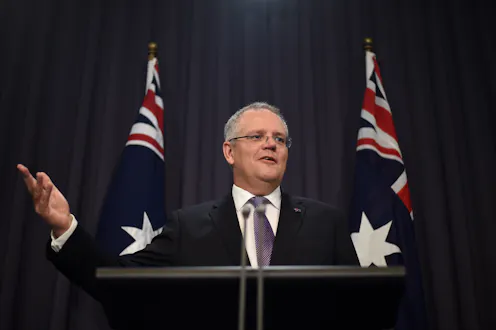
The US Fed meets expectations for a rate cut, Australia’s unemployment rate heads upwards again, and all eyes look to the mid year budget update.
US GDP data points to a US rate rise in December, and Australia’s housing affordability problem won’t be helped by current declining building approvals.
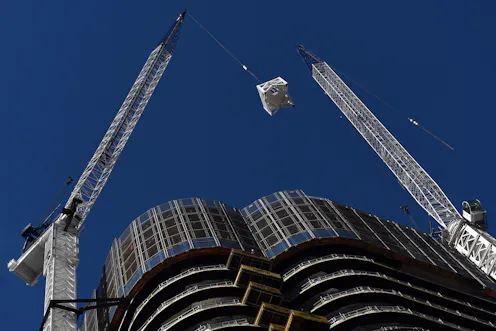
Construction slumps to its lowest level since 2010, and the US Fed remains divided on its next interest rate hike.
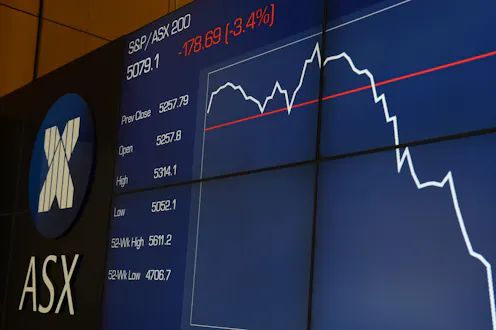
Global markets are spooked - and with good reason.
The Australian economy continues to show some positive signs, but there are pockets of weakness and cause for concern every month.
Inflation has been stubbornly low in Australia, and the RBA remains concerned about a high Australian dollar.
Interest rates remain unchanged in Australia this week, reflecting an economic holding pattern around the world, as the US presidential election carries on.

Trump’s economic “plan” has a good chance of sending the US economy back to the Fred Flintstone era.
The odds are the Fed will raise rates once and the RBA will cut once before the end of the year.

The Australian economy continues to deliver mixed, but on the whole positive, signals.

The RBA leaves rates on hold, Australia gets a GDP growth spurt from pre-election spending, and the IMF lays the groundwork for a lowering of global growth expectations.

All in all this was a fairly positive week for global economies.

Central banks around the world are struggling with the failure of low (or negative) interest rates to breathe life back into ailing economies.

The US economy is improving off the back of jobs figures while in Australia, the government is being warned by the Reserve Bank to step up its game.
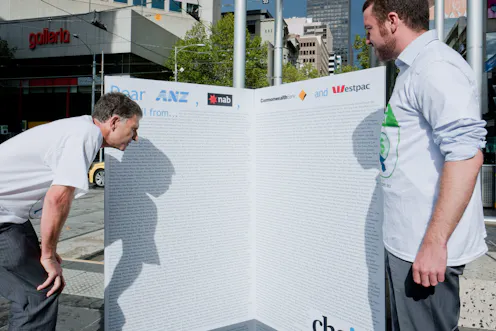
Lower interest rates will only have the stimulatory effect required if they are passed on to borrowers.
Economists are divided on whether the latest interest rate cut to 1.5% was needed, as the RBA tries to boost inflation and growth.
All economic data is pointing to disappointing global growth.
Contact Richard for
- General
- Media request
- Speaking request
- Consulting / Advising
- Research collaboration
- Research supervision
