
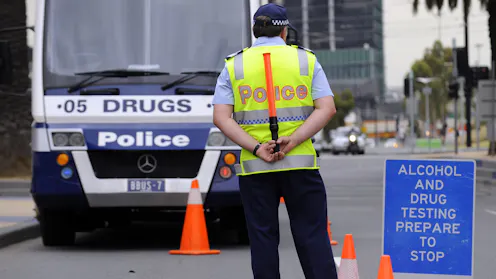
Drink driving in Australia is declining thanks to the right mix of laws, visibility and social messaging. Four strategies could make a difference with drug driving.
- Associate Professor and Principal Fellow in Urban Risk and Resilience, The University of Melbourne
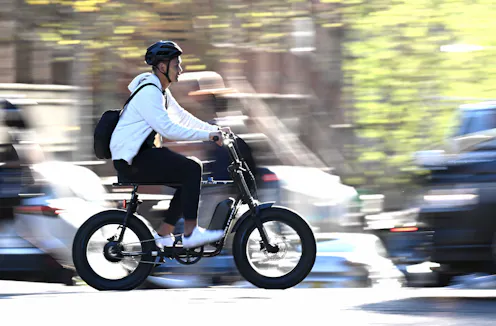
There is a lack of regulation across Australia when it comes to e-bike use, with young riders often paying the price.
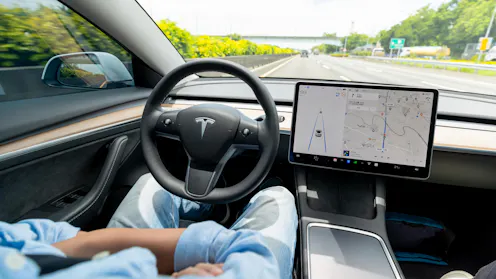
Cars that mostly drive themselves – but where a human is required to continuously supervise – fall between the cracks of existing law.
In Australia, many drivers speak different ‘road languages’. Having a universal one could make us all safer.
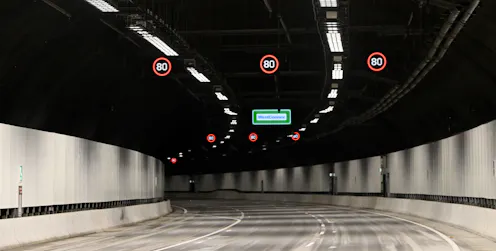
The model can help state governments to avoid huge upfront spending and shift some risks onto private firms. But taxpayers often pick up the bill in other ways.
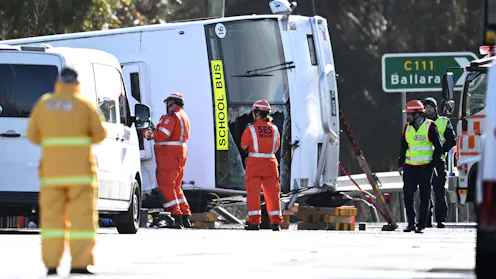
The Stonehaven school bus rollover, which killed a young girl, is a tragic reminder of how devastating such crashes can be. But there are ways to make buses safer.
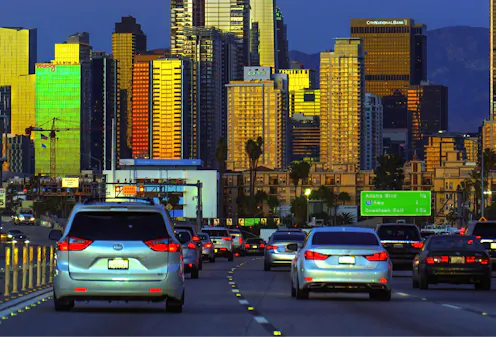
Features like lane-keeping assistance and emergency braking stop crashes – but drivers often find them annoying or confusing.
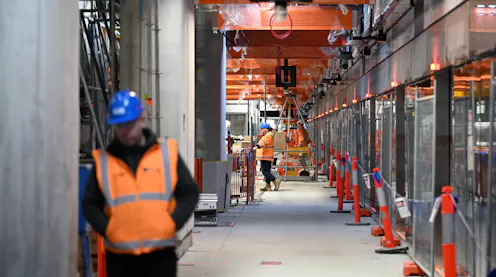
The leading cause of death among construction workers is not falling from heights or electrocution – it is suicide. Some programs are helping, however.
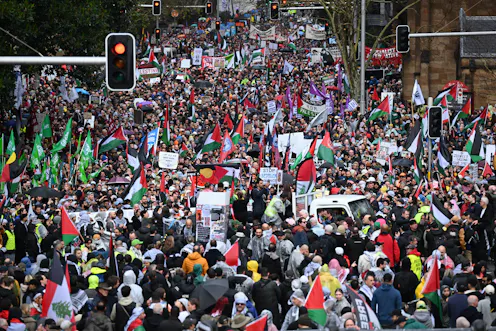
Crowd size estimates are part science, part art. When numbers differ, it’s not necessarily because someone is being dishonest.
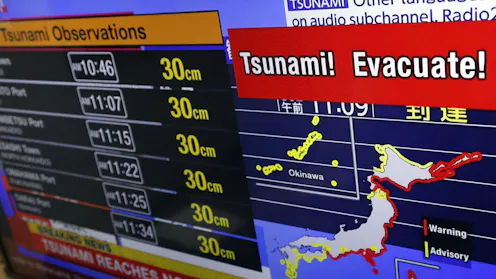
It’s far better to evacuate early and orderly than do it late in a panic. That’s why authorities around the Pacific are taking no chances as a tsunami threat looms.

The fatal jet ski accident in Sydney this week reminds us how dangerous these personal watercraft can be.
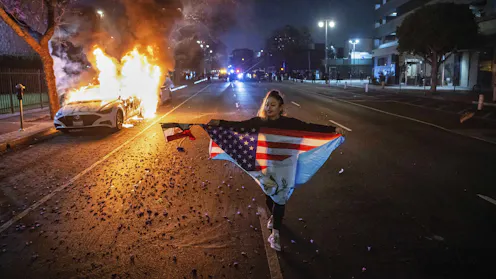
In theory, travel advisories are meant to inform travellers and keep them safe. But these advisories are often shaped by politics, not real world risks.
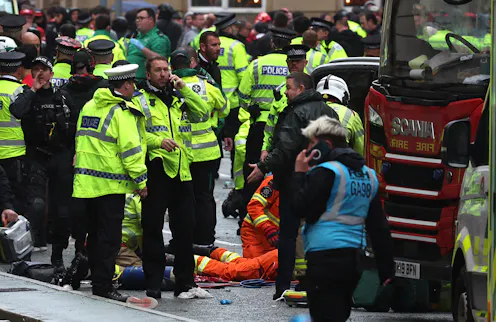
Il existe des mesures pratiques pour protéger les foules lors d’événements se déroulant sur la voie publique.
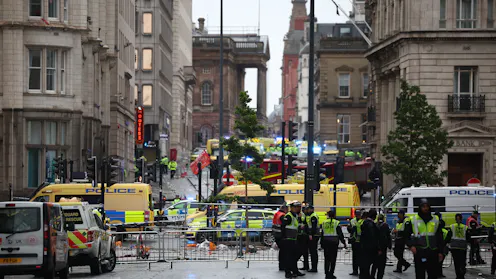
Vehicle-ramming incidents like the one in Liverpool appear to be on the rise, but there are practical measures available to protect crowds during open-street events.
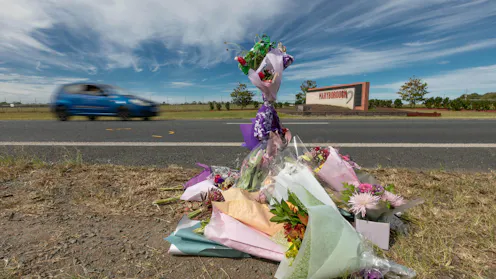
More lives are being lost on Australian roads despite safer cars and road safety campaigns. We breakdown the groups that are most vulnerable to fatalities.
Bigger cars mean bigger costs for everyone else. It’s only fair those costs are reflected in how car rego is priced.
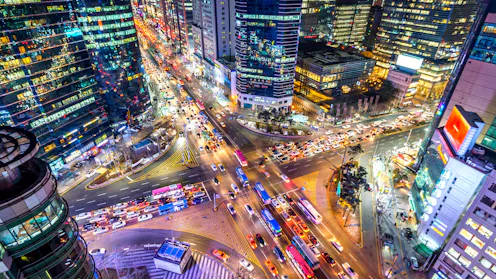
By 2050, the majority of the world’s population will live in cities. So how do we make them as liveable as possible?
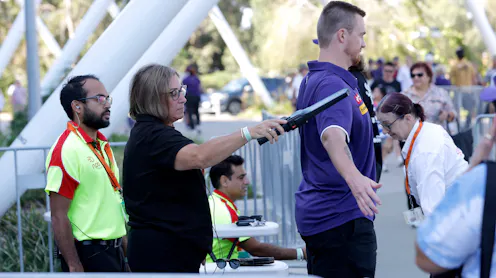
Two men allegedly brought guns into the MCG during an AFL game, which has triggered serious questions about venue security processes in Australia.
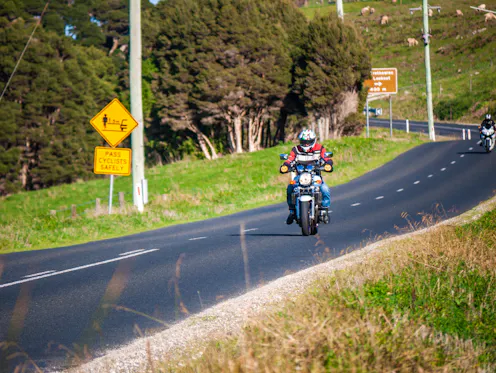
Since 2015, motorbike riders have made up an increasing share of total road deaths.

A tendency to drag down those who set themselves above others, the syndrome supposedly reflects values of equality, humility and the storied ‘fair go’.
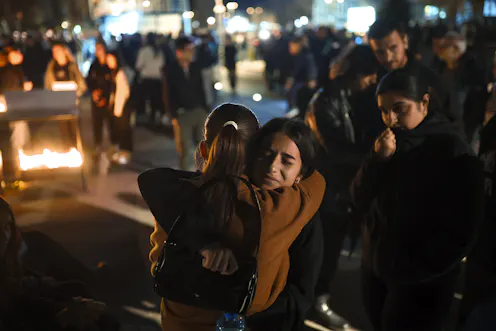
A fire in a nightclub in North Macedonia is the latest in a long string of such tragedies. Why are nightclubs so risky for fires?
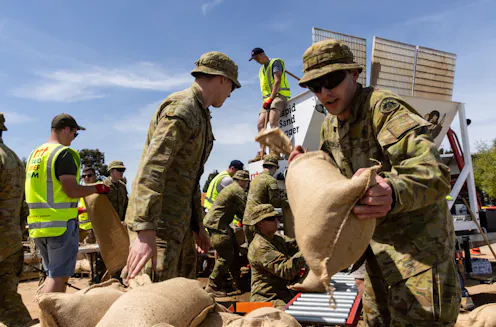
Recruitment incentives are needed to boost the number of emergency services volunteers to respond to natural disasters and take the pressure off the ADF.
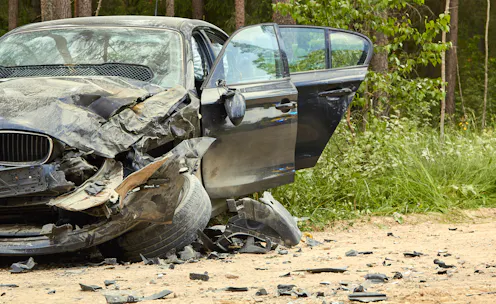
Driver suicides account for about 9% of all fatal road crashes but many go unreported. Why are they so difficult to identify and what patterns exist?
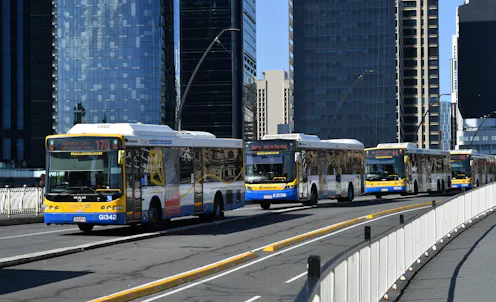
Neither lowering fares or simply increasing enforcement can solve fare evasion alone. Investing in better services and winning public trust are just as important.

Why ‘sensitive dependence on initial conditions’ makes predicting the future so hard.
Contact Milad for
- General
- Media request
- Speaking request
- Consulting / Advising
- Research collaboration
- Research supervision
- Location: Australia
- Website
- LinkedIn: milad-haghani-88693291
- X (formerly Twitter): @Milad_Haghani
- Article Feed
-
- Joined
