

We always want to find patterns in sequences of events – but often they aren’t really there.
- Associate Professor and Principal Fellow in Urban Risk and Resilience, The University of Melbourne
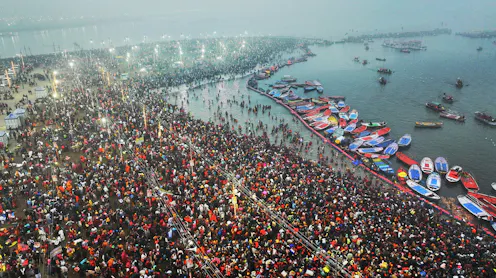
The sheer scale of the Hindu festival makes it a disaster waiting to happen. From new underwater drones to AI surveillance, here’s what’s being done to avoid deadly crushes.
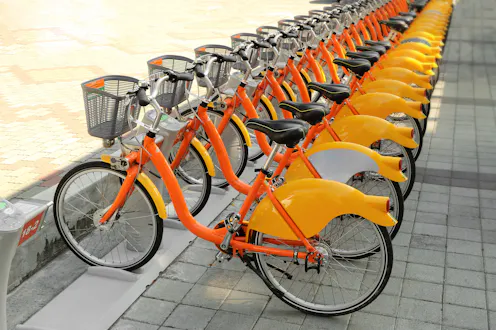
E-bikes are surging in popularity worldwide. But in Australia, we don’t know how often they’re involved in injuries and deaths.

Victims of road rage incidents often have children in the car with them – or else they’re watching you shout from the back seat.
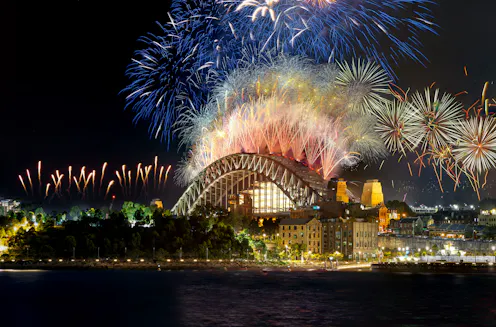
Fireworks in public displays are very safe. But being in a dense crowd can have risks, so know what to look out for.
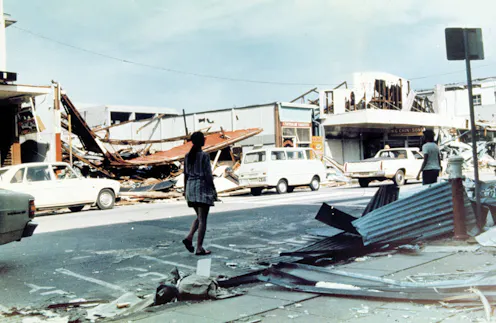
Cyclone Tracy reshaped Darwin and marked a turning point in Australia’s approach to disaster resilience.
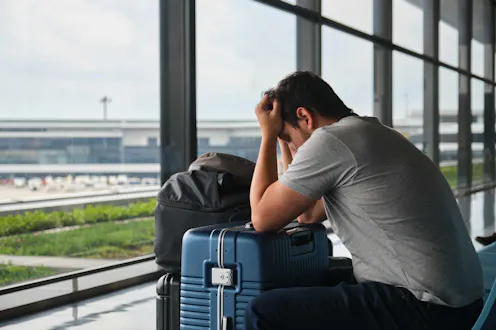
Instances of “air rage” are more common now than before the pandemic. What is it about air travel that cam bring out the worst in us?
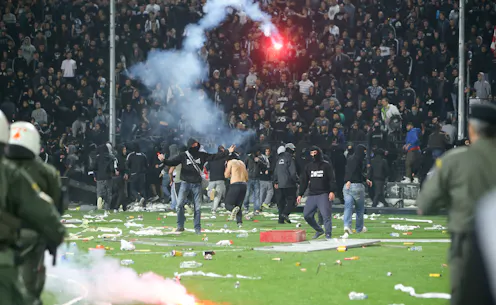
Soccer is neither the most violent or physical sport, yet its fan base is uniquely prone to aggression. There are reasons why this is the case.
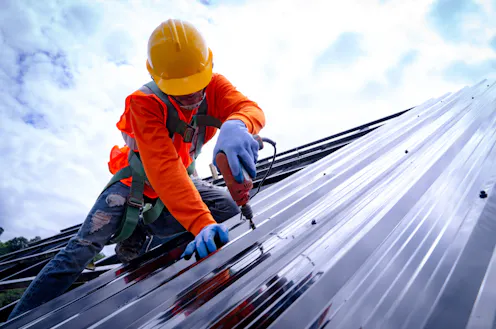
A bad night’s sleep on Sunday, the start of a new project and changing weather over the weekend can all affect what happens on site on Mondays.
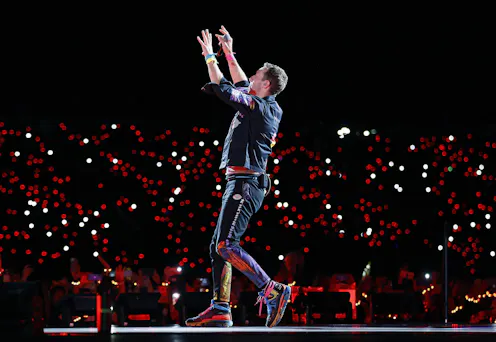
Such mishaps seems to be on the rise, with artists dealing with everything from flying skittles to reckless audience members rushing at them mid-performance.
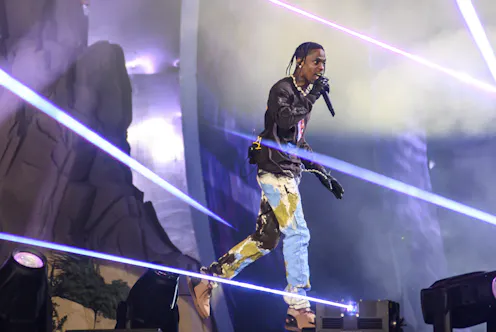
Artists can guide actions that align with the group’s sense of ‘us’. This ultimately can lead to shifts in behaviour toward safety, or toward risk taking.
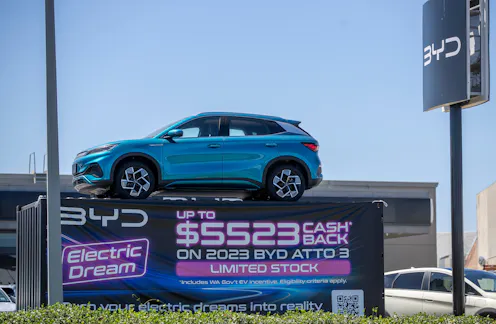
Reduced government incentives, the spreading of myths and concerns about used car values and fires have stalled what had been an increasingly rapid uptake of electric vehicles.
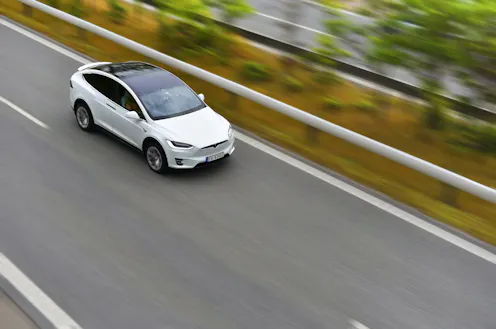
There’s a risk that the belief that electric vehicles are much greener results in owners driving more often or faster, or using cars instead of public transport.
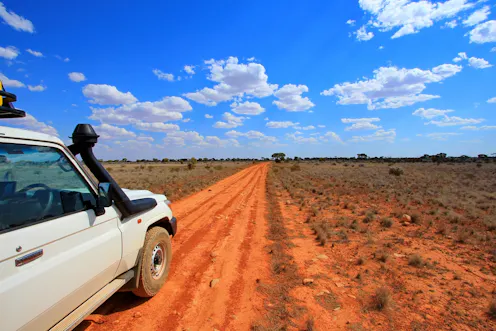
One thing we can do to reduce this transport inequity is make it easier for First Nations people to get their driver’s licence. This also brings individuals and communities many other benefits.
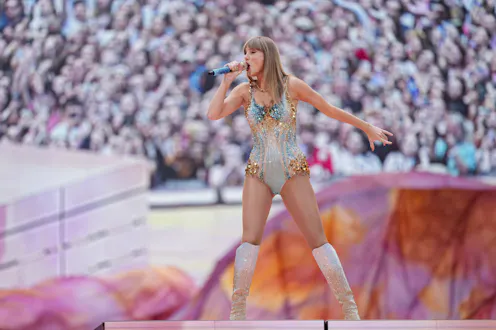
Authorities have cancelled the singer’s three shows in Vienna after foiling a terrorist threat. In an environment of rising global tensions, vigilance is key.
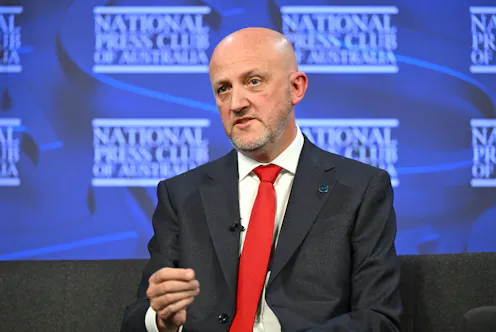
For the first time in a decade, the terror threat has been elevated. But what does that really mean?
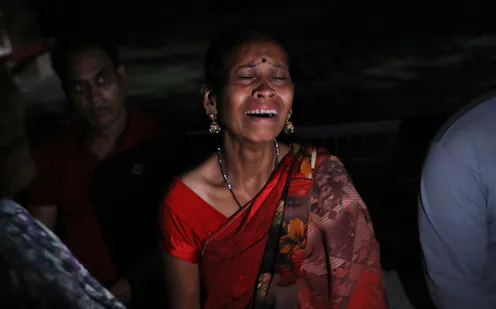
Crowd accidents, particularly at religious mass gatherings in developing countries, are becoming a more common cause of premature death worldwide.
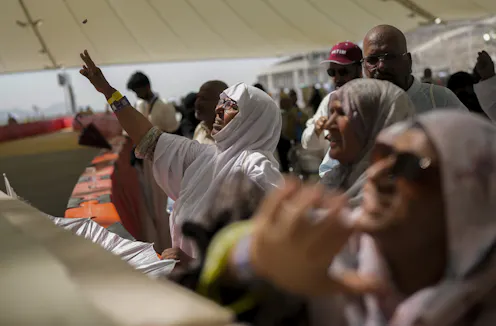
Hajj has grappled with public health and safety risks such as crowd crushes and infectious diseases in the past. It’s now facing an emerging risk: climate extremes.
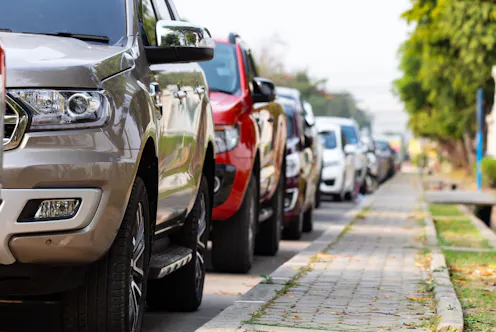
We’re seeing more big cars on the road. What does this mean for safety?
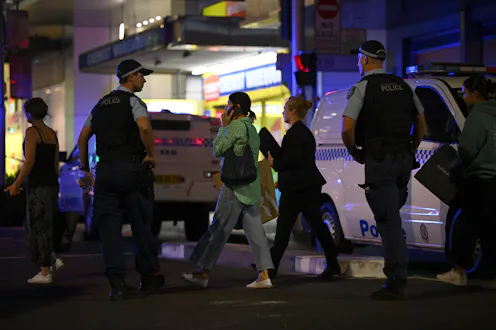
The “zero responders” – bystanders who proactively assist – play a pivotal role in the immediate response to crisis. They can be key players in preventing, reporting and containing a violent incident.
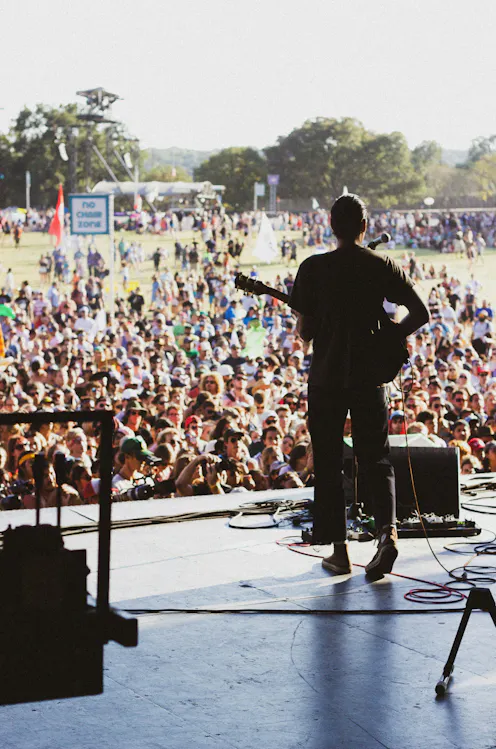
Cancellations of Australian music festivals, such as the abrupt end to Pitch Music Festival due to extreme heat, have become all too familiar.
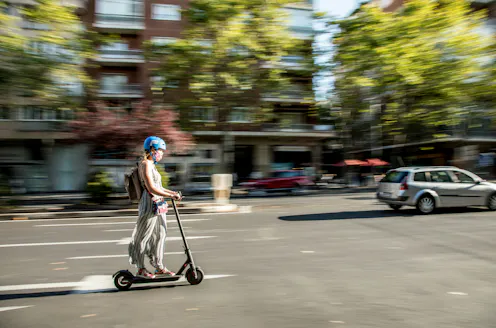
The growing popularity of e-scooters has seen a surge in related injuries. They may not be more common than cycling injuries – but they may be more serious.
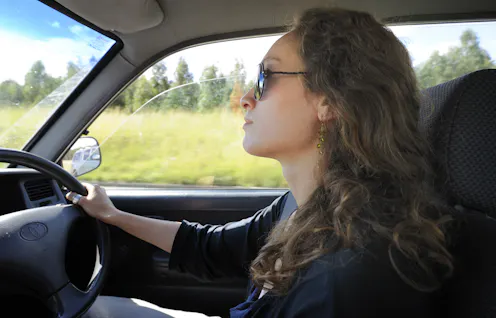
Australian road deaths have risen to levels not seen in nearly a decade. If the current trend continues, meeting the ‘Vision Zero’ target by 2050 appears impossible.
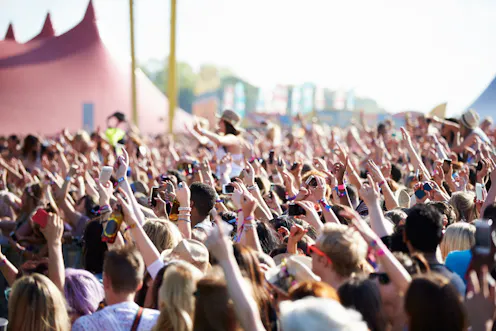
Taking MDMA can raise our body temperature higher than it should be. Extreme heat may compound this effect.
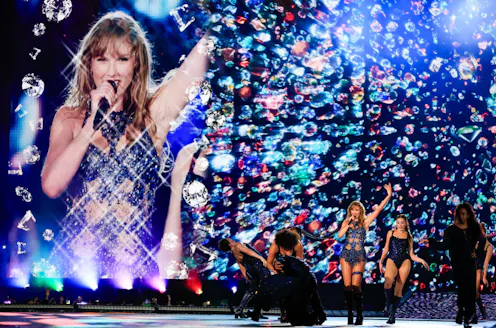
One fan died and others reported burns at the Swift concert. And we’re going to see similar incidents at future concerns if we don’t start planning for extreme weather.
Contact Milad for
- General
- Media request
- Speaking request
- Consulting / Advising
- Research collaboration
- Research supervision
- Location: Australia
- Website
- LinkedIn: milad-haghani-88693291
- X (formerly Twitter): @Milad_Haghani
- Article Feed
-
- Joined
