
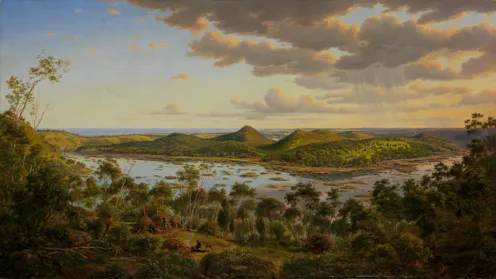
From oyster reefs to bandicoot grasslands, many Australian ecosystems no longer exist. Restoring nature is a good goal – but we cannot return to the past.
- Professor in Conservation Science, School of the Environment, The University of Queensland
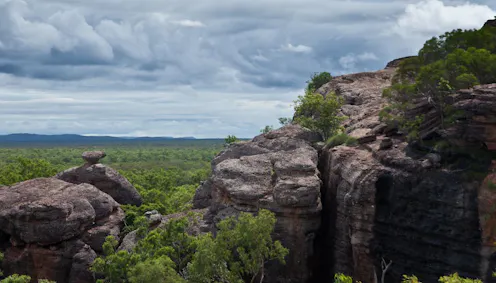
We’ve committed to protect 30% of our lands and waters by 2030. But our endangered species are still struggling, according to four environmental scientists.
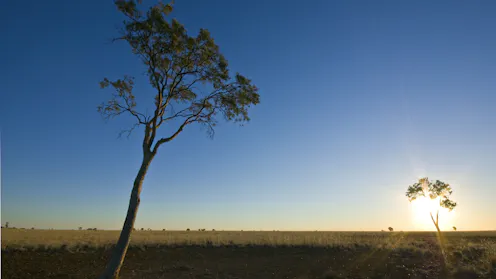
Queensland’s conservation ledger is in the red. Despite some new national parks, bulldozers are still clearing forests and vegetation across the state.
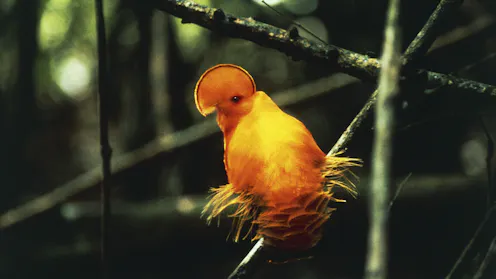
A study using more than 90,000 scientific observations shows Earth is getting too hot for many tropical birds.
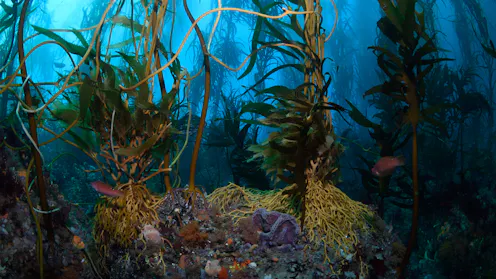
Half of Australia’s seas are protected. So why are marine species and ecosystems in freefall?
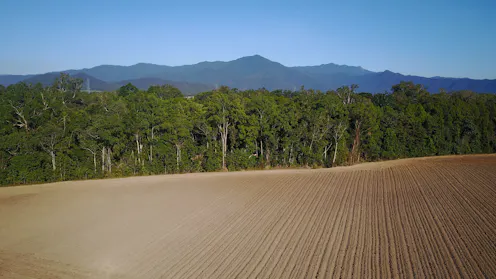
Hundreds of Australia’s unique species are clinging to life in small patches of habitat. Now researchers have found half of their habitat has no legal protection.
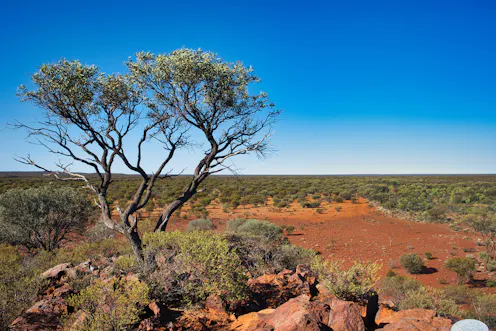
Protecting 30% of Australian lands sounds good – but what matters much more is whether we’re protecting dwindling habitat for endangered species.
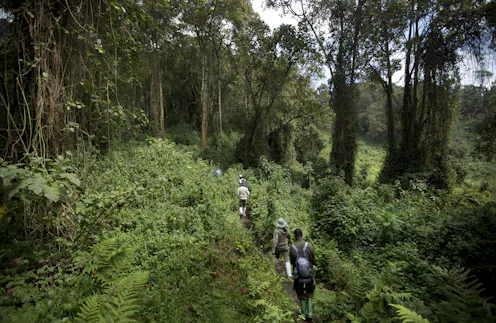
All countries must accelerate efforts to avert the biodiversity crisis, and preserve Earth’s precious natural places for future generations.
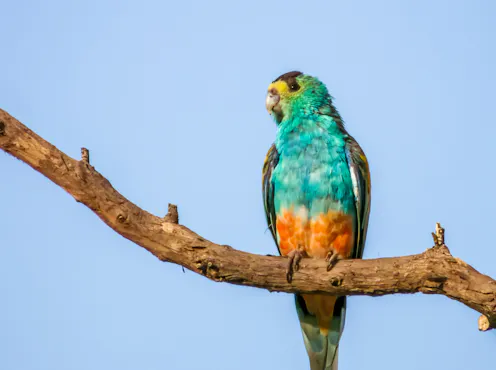
This new research estimates the price and benefits of recovering threatened species – and offers cost-effective ways for environment groups, farmers, governments and others to make a difference.
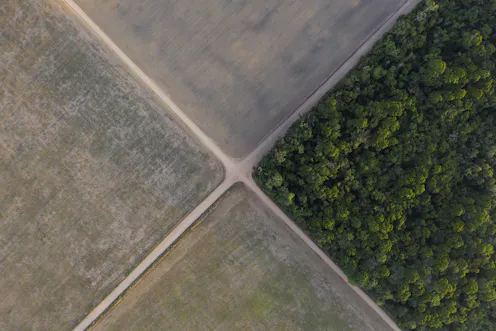
A rainforest might look intact in satellite images – but the reality is often different. Degraded tropical rainforests are now the norm, threatening the species within.
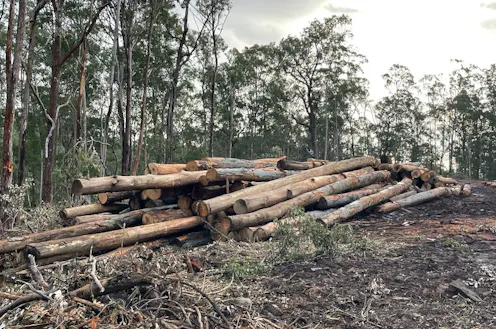
Shifting from native forest logging to sustainable plantations will help protect these essential forests and the many threatened species that depend on them.
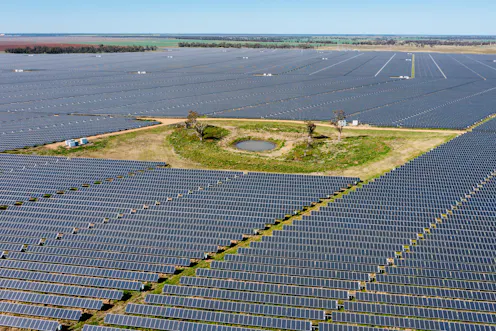
Rapidly reaching net-zero is vital to avoiding the worst ravages of climate change. But doing so in a way that damages nature is self-defeating.
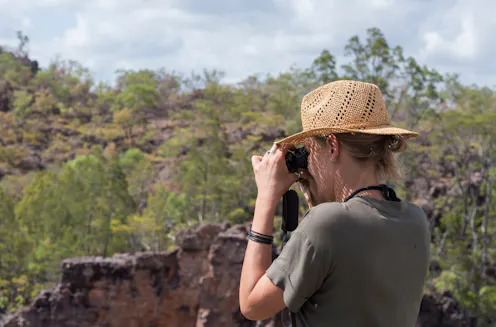
Researchers used ‘citizen science’ birdwatching data to rank Australian species. Among the most elusive birds were ‘hide and seek’ champions and a few possibly headed for extinction.
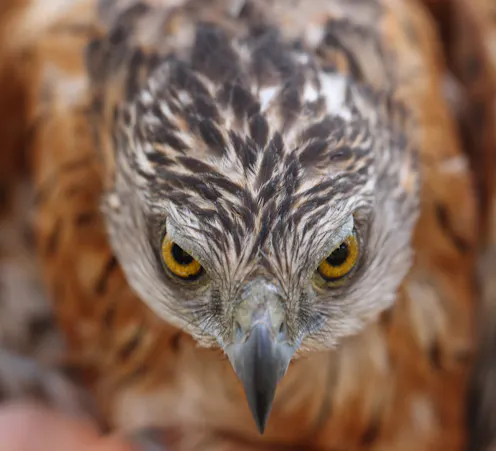
The first comprehensive population assessment of the raptor affectionately known as The Red reveals a species in trouble. Australia’s rarest bird of prey needs our help.
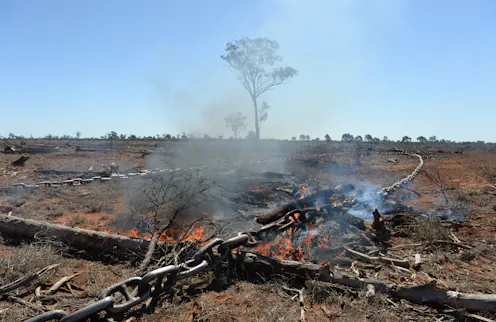
Queensland is still clearing large tracts of land to run more cattle. This comes at a huge cost to our native animals and plants.
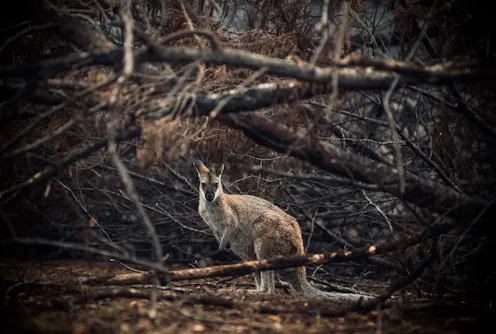
The paltry spending means many species severely impacted by the megafires were left in desperate trouble, potentially pushing some closer to extinction.
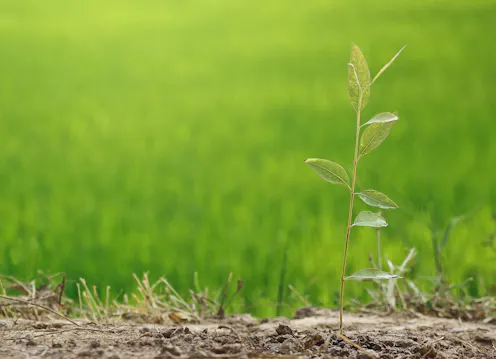
After years of neglect, Australia’s environmental crises can wait no longer. Here’s what our new government can do quickly to begin turning things around.
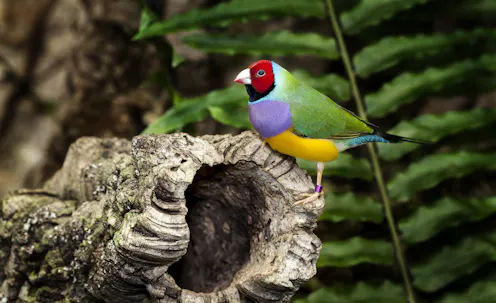
The goal of our new web app is to help users engage with their elected representatives and put imperilled species on the political agenda this election and beyond.
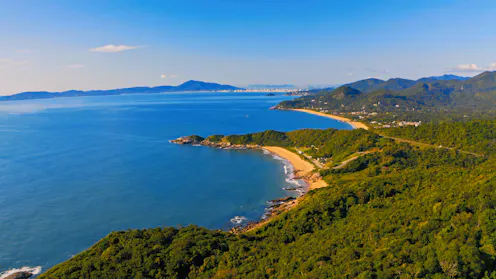
Aktivitas manusia memberikan tekanan besar terhadap wilayah pesisir pantai di seluruh dunia. Apa yang harus dilakukan sekarang demi mencegah kerusakan ekosistem pesisir yang lebih parah?
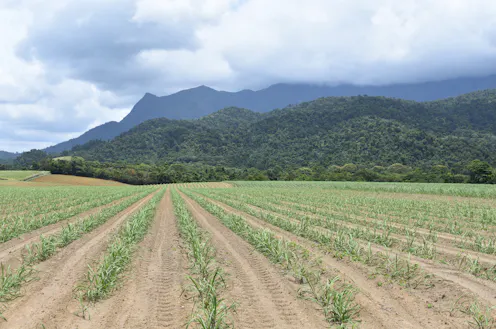
Threatened species don’t just live in national parks. Almost half of their distributions are on private land.
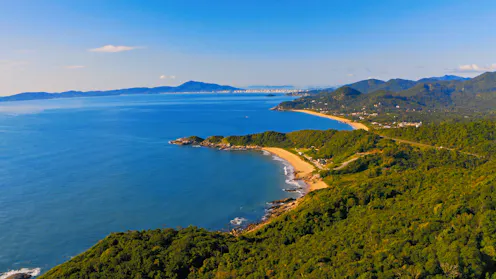
All nations must ramp up efforts to preserve and restore their coastal regions – and the time to start is right now.
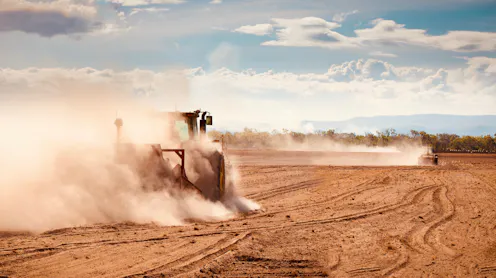
By spending $2 billion each year for about 30 years, we could restore much of Australia’s severely denuded landscapes.
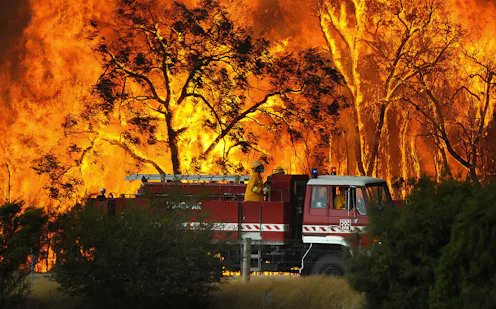
They overlook a vast body of evidence that crown fire – the most extreme type of fire behaviour in which tree canopies burn - is more likely in logged native forests.
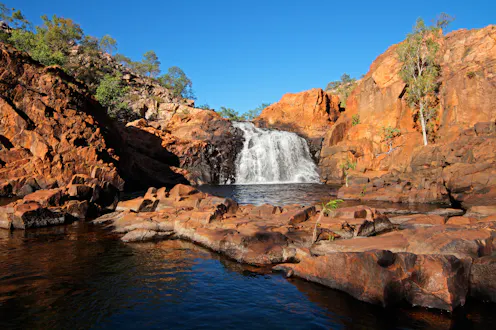
New research found nearly half of land-based ecosystems and threatened species in Australia have inadequate protections. Yet most of the budget for national parks will go to infrastructure upgrades.
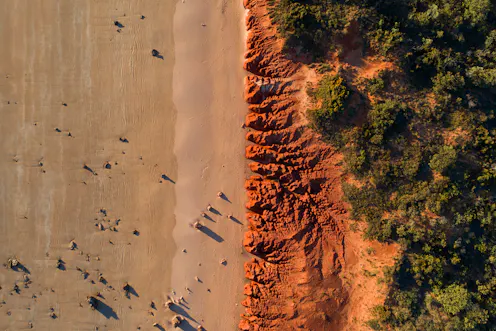
Building renewable energy infrastructure involves mining for materials such as lithium, graphite and cobalt. If not done responsibly, that could cause huge environmental damage.
Contact James for
- General
- Media request
- Speaking request
- Consulting / Advising
- Research collaboration
- Research supervision
- Location: Brisbane, Australia
- Website
- X (formerly Twitter): @cyclonewatson
- Article Feed
- Joined
