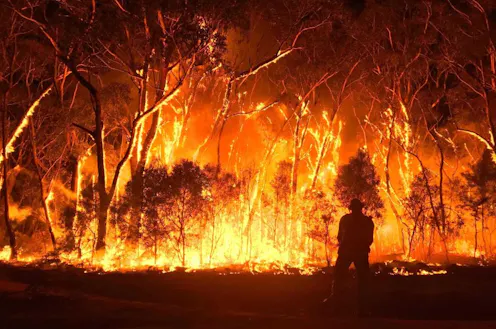
Approximately 70 nationally threatened species have had at least 50% of their range burnt, while nearly 160 threatened species have had more than 20% burnt.
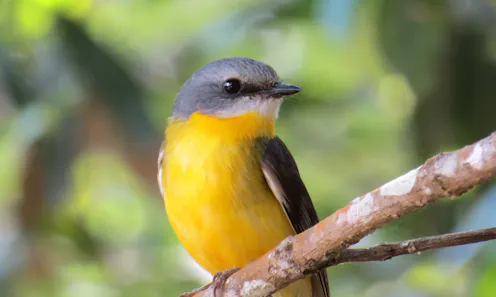
Eastern-yellow robin. Some 60 per cent of the native birds of south-east mainland Australia have lost more than half of their natural habitat.
Graham Winterflood/Wikimedia Commons
Aside from their intrinsic value, common bird species might be one of the only ways we connect with nature in our everyday lives. But these opportunities are under threat.
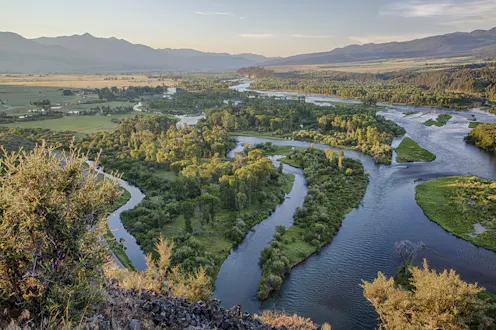
The Snake River in Idaho is an area of ‘critical environmental concern.’
U.S. Bureau of Land Management
Erle C. Ellis, University of Maryland, Baltimore County and James Watson, The University of Queensland
To save what’s left of nature on this increasingly human planet, conservation needs to become a top priority around the world, from the wildest of wildlands to the densest of cities.
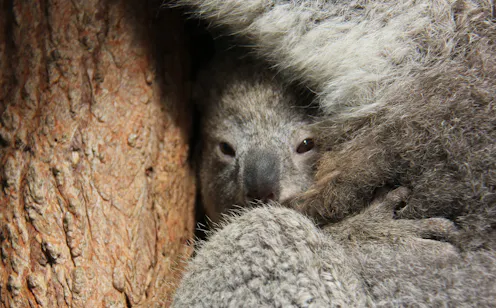
Koalas are among the threatened native species worst affected by habitat loss.
Taronga Zoo
A staggering 7.7 million hectares of critical habitat has been destroyed since environment laws were enacted - and 93% was not referred to the federal government for assessment.
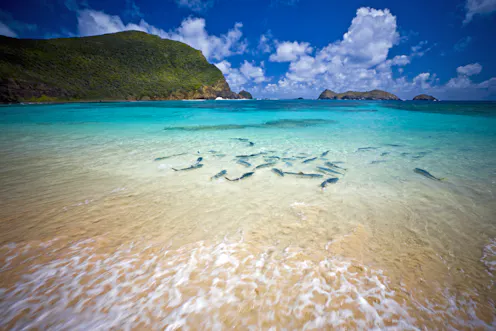
Marine parks are good for fish - especially if they’re in the right areas.
Epstock/Shutterstock
With strategic planning, the marine protected area network could be a third smaller, cost half as much, and still meet the international target of protecting 10% of every ecosystem.
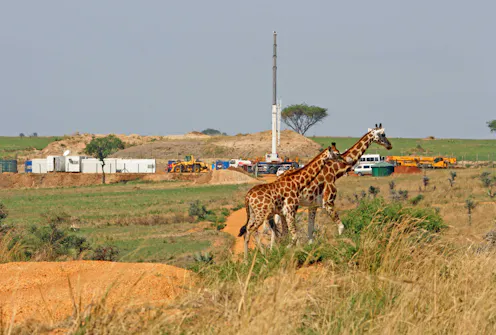
Human activity threatens many species across Africa’s savannahs.
Paul Mulondo/WCS
New research looked at human impacts on more than 5,000 threatened species and found that a quarter of them have almost nowhere left to go to escape from the threats posed by human development.
Dozens of brumbies were found dead near Santa Teresa in Australia’s remote interior.
AAP Image
Mass wildlife die-offs, such as those wrought by Australia’s recent heatwaves, make for grim headlines. But the wider effects of extreme weather are more complex, and can be remarkably long-lasting.
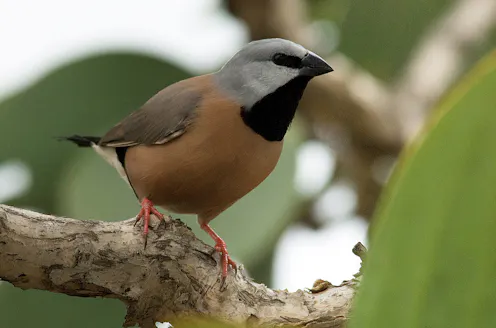
Is the black-throated finch getting the legal protection it deserves?
AAP Image/Eric Vanderduys
Just one out of a possible 775 development approvals was refused on the basis that it would harm the southern black-throated finch, despite this endangered species being protected by federal law.
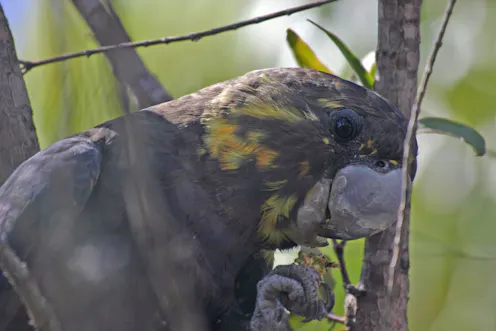
Success with conservation of Kangaroo Island’s Glossy Black-Cockatoos can now be compared with other bird conservation efforts around the country.
Ian Sanderson/Flickr
Más de dos tercios de las áreas vírgenes que quedan en el planeta están en manos de sólo cinco países, según un nuevo mapa mundial. En necesario un esfuerzo de conservación unánime para salvar los últimos espacios salvajes de la Tierra.
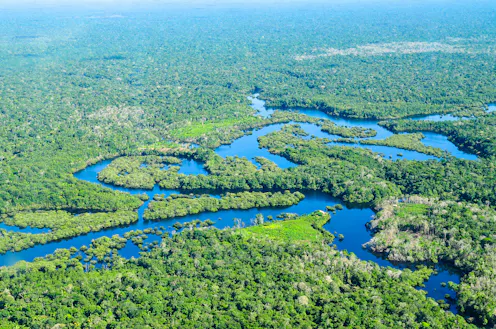
Brazil, home to the Amazon, is one of just five ‘mega-wilderness’ countries.
CIFOR
More than two-thirds of Earth’s remaining wilderness is in the hands of just five countries, according to a new global map. A concerted conservation effort is needed to save our last wild places.
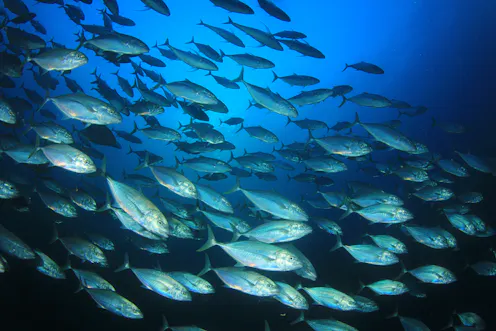
Predatory fish are among the most vulnerable species to human pressures.
Rich Carey/Shutterstock
The world has some 500 million square kilometres of ocean. But just 55 million square kilometres remain untouched by intensive human activities such as fishing.
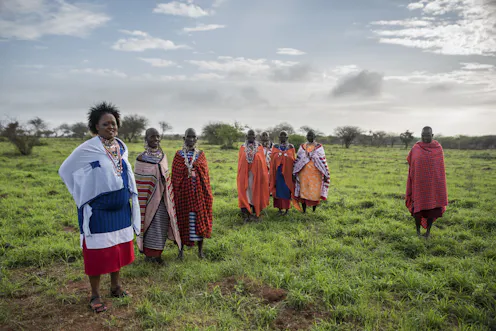
Maasai women on a conservation project in Kenya.
Joan de la Malla
A new map shows that more than 25% of all land outside Antarctica is held and managed by Indigenous peoples. This makes these communities vital allies in the global conservation effort.
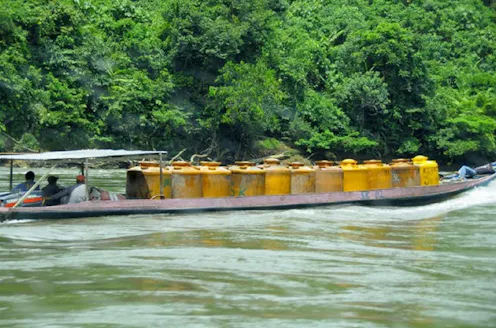
Personas que transportan gasolina en barco en el Parque Nacional Kayan Mentarang de Indonesia.
ESCapade/Wikimedia Commons
Hace 146 años, el Parque Nacional de Yellowstone, en Estados Unidos, se convirtió en la primera zona protegida del mundo. Hoy hay más de 200.000 reservas naturales.
People transporting gasoline by boat in Indonesia’s Kayan Mentarang National Park.
ESCapade/Wikimedia Commons
The world’s national parks cover an area bigger than South America. But a new survey finds that one-third of this area is subject to pressure from human developments, potentially putting wildlife at risk.
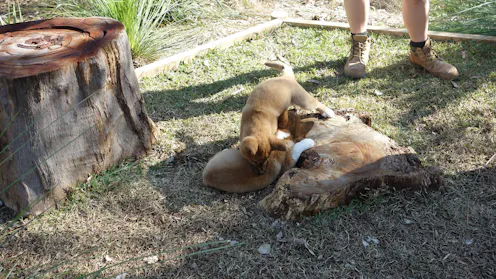
Whoosa vicious helpful predator? You are! Yes you are!
Sean Riley/Flickr
Dingoes increase cattle yields, mountain lions reduce car crashes and vultures eat organic waste: like them or not, predators help humans.
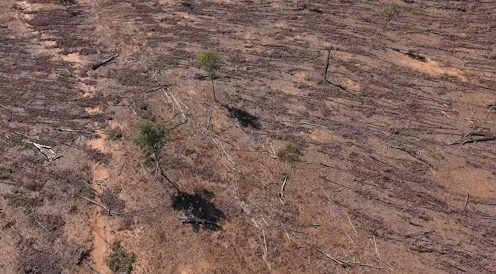
Vegetation ‘thinning’ in Queensland - a practice that was originally designed to restore forests and woodlands to a ‘representative state’.
WWF-Australia
Queensland’s new draft land-clearing laws aim to put the brakes on years of environmental destruction. But the bill contains several loopholes that are likely to stymie progress.
The world’s biggest burn of illegal ivory.
Daniel Stiles
The destruction of a massive haul of illegal ivory was supposed to send a message to poachers and those who trade in the tusks. Did they notice, or can the ivory be used to help elephant conservation?
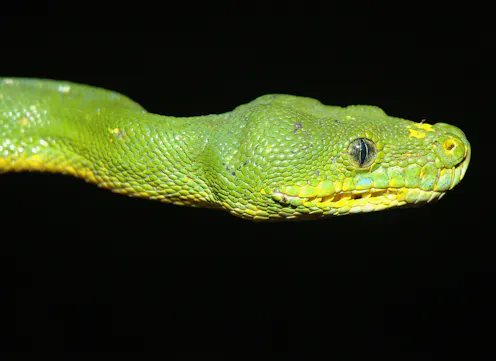
Australia’s species, like this green python, are remarkable, and need far better protection.
Jenny Martin
Australia’s species, like this green python, are remarkable and need far better protection.
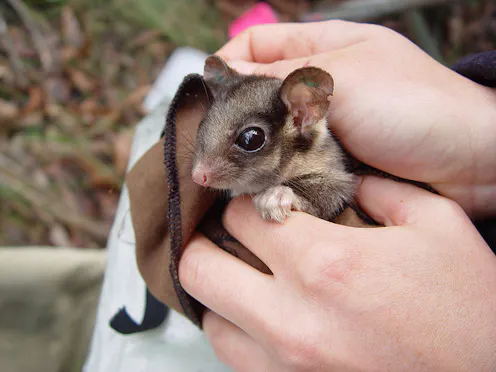
The critically endangered Leadbeater’s Possum lives within a single federal electorate. Their local MP has a responsibility to be their voice.
Zoos Victoria
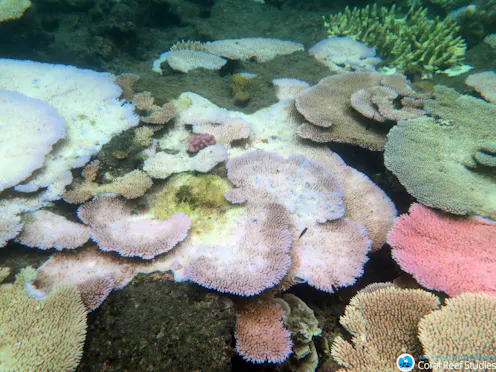
The Great Barrier Reef has avoided being listed as “in danger” by UNESCO. But celebrating this is dangerously short-sighted.
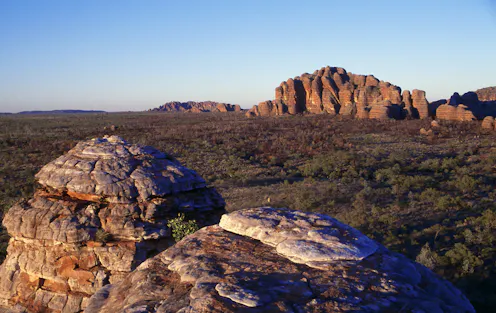
Australia’s Purnululu National Park is a World Heritage wilderness, but many other pristine places lack similar protection.
AAP Image/Tourism Australia
Wilderness areas are vitally important, yet are largely overlooked by the United Nations’ list of natural World Heritage. This week’s meeting in Poland is a chance to redress that balance.
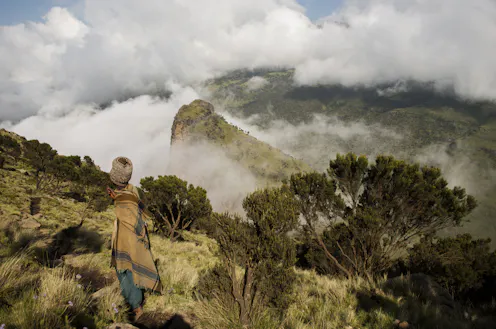
The Simien mountains in Ethiopia are one of the world’s most threatened natural heritage sites.
Simien mountains image from www.shutterstock.com
While Trump’s more extreme campaign promises may not eventuate, substantive changes in how the US engages with the world on environmental, and many other, issues are likely.