

Since 1992, an area of land two-thirds the size of Australia has been converted to human use.
- Professor in Conservation Science, School of the Environment, The University of Queensland
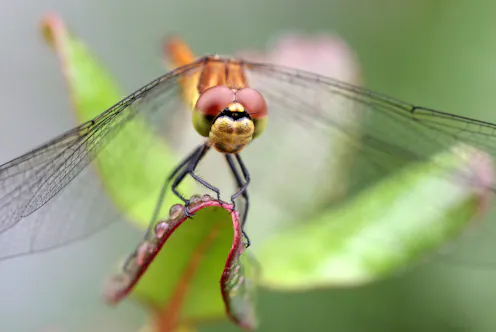
Study shows the footprint of climate change is already vast and that species are trying to adapt to rising temperatures.
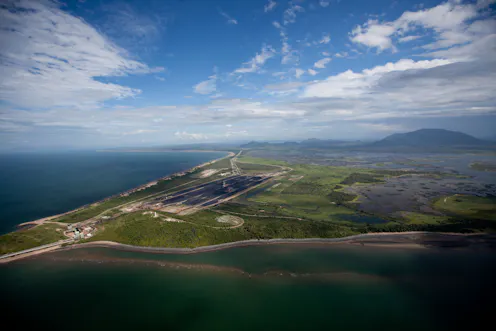
Queensland’s planned new coal mine could impact the climate, the Great Barrier Reef, water, and local species. Yet still it has been declared as ‘critical infrastructure’ by the state government.
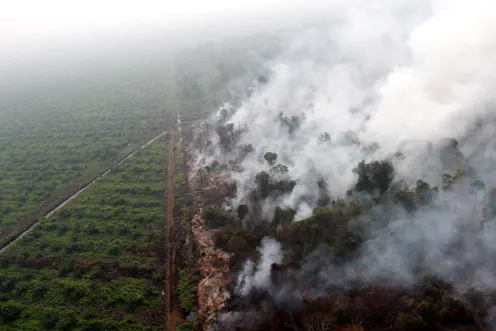
The world has lost 10% of its wilderness areas in the past 20 years and, with it, vast stores of carbon.
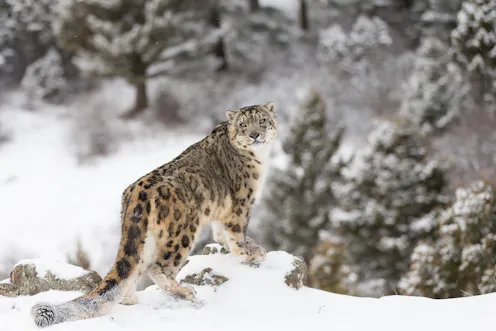
Climate change gets a lot of the spotlight when it comes to saving wildlife. But bigger threats remain.
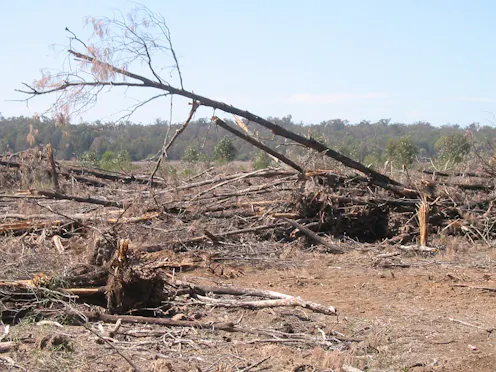
Land clearing in Queensland has tripled in the past five years.
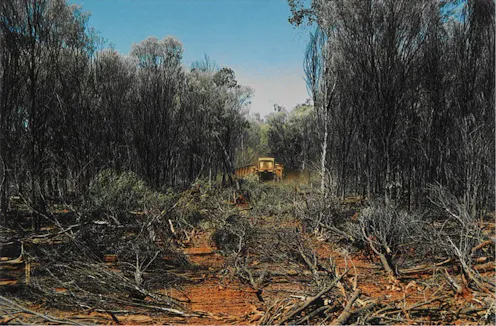
We’re going to have to adapt to climate change, but some of the options on the table could do more harm than good if they destroy the ecosystems that protect us.
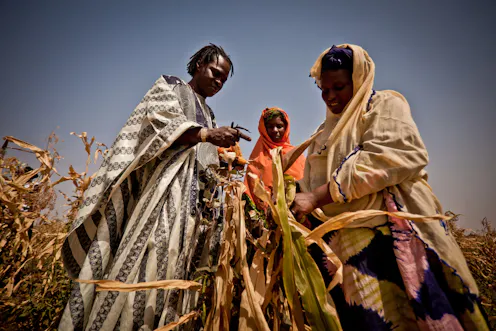
The countries that have contributed the least to climate change will experience the worst of its effects.
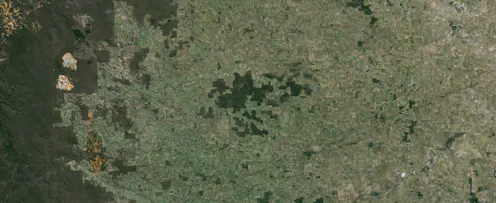
Australia may have reputation for vast areas of wilderness, but in reality the continent’s ecosystems have been chopped and diced. Now we need to protect what’s left.

Land clearing in Queensland has tripled since 2010 after wind backs to regulations.
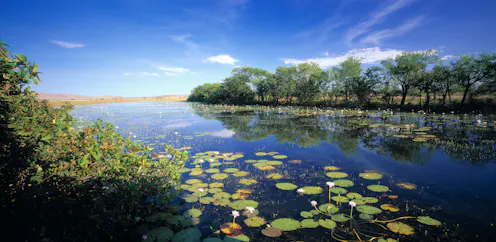
As the dust settles on the latest Intergovernmental Panel on Climate Change (IPCC) report on the science of climate change, the obvious question is: what do we do next? Our research, published in Nature…
Contact James for
- General
- Media request
- Speaking request
- Consulting / Advising
- Research collaboration
- Research supervision
- Location: Brisbane, Australia
- Website
- X (formerly Twitter): @cyclonewatson
- Article Feed
- Joined
