

A painted panel deep in a Spanish cave may push the human relationship with mind-altering plants back thousands of years, earlier than anything previously known.
University of Plymouth

A three times Queens Anniversary Prize winner, we have a proud reputation for conducting world-leading, impactful research. From health technologies to heritage; marine sciences to medicine; psychology to sustainability, University of Plymouth researchers are winning major funding grants, publishing papers in high-impact journals, and forging powerful international partnerships. We are fast developing a critical mass of expertise in emerging areas such as agri-technology, antimicrobial resistance, cybersecurity and creative economies. Our response to global environmental challenges, from the low carbon agenda to water quality and food security in the developing world, highlights our robust commitment to finding solutions to climate change.
Our research strengths take advantage of our coastal and rural location, including the breath-taking natural laboratory of Plymouth Sound. Our waterfront Marine Station, home to our extensive fleet of research vessels, complements the Marine Building featuring wave tanks, a navigation centre, and the cutting-edge Cyber-SHIP Lab that tackles maritime cybersecurity issues.
The new Brain Research and Imaging Centre is the most advanced multi-modal facility in the region and, together with our medical research facility and faculty, is co-located with the University Hospitals Plymouth NHS Trust, facilitating a cross-collaborative environment where many staff combine consultation work and research.
Links
Articles

Italian and British governments conspired to brand Violet Albina Gibson ‘insane’ as it was politically expedient.

The southwest peninsula of the UK has a burgeoning network of marine observers.
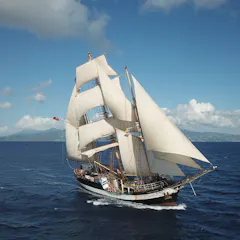
Sailing voyages help young people develop strong connections with the sea that can last a lifetime.
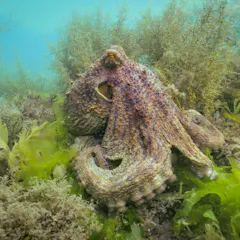
Climate-driven shifts in ocean and atmospheric dynamics underpin these recent blooms in octopus numbers in UK waters.
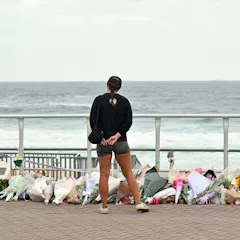
The public needs clear, easy to remember, and updated information about current threats.
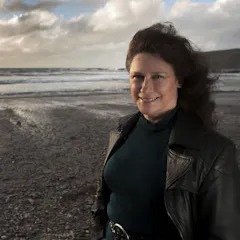
Réfugiée scientifique, lauréate du prix Nobel, et écologue au Giec depuis plus de vingt-cinq ans, Camille Parmesan nous explique comment préserver la biodiversité dans une planète en surchauffe.
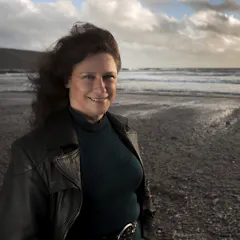
An ecologist at the IPCC for over 25 years, Camille Parmesan, who is also a refugee scientist, explains how to preserve biodiversity on a warming planet.
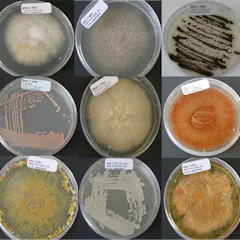
A culture collection of more than 500 fungal strains from seawater, sediments and seaweeds is helping scientists better understand marine fungi.

Researchers have found that one offshore mussel farm is boosting marine biodiversity and regenerating the seabed.

The UK is set to plant 20 million trees to form a new ‘national forest’ in the west of England.
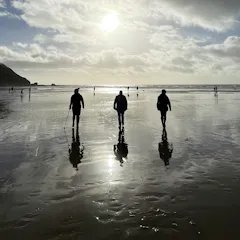
Sharing the stories of progress and innovation that show how our patches of the sea are recovering can show what’s possible and inspire further positive action.

We love to believe we’re rational thinkers, but we’re often guided by invisible hands.
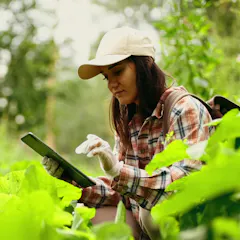
Mathematical concepts could be introduced through calculating the effect of introducing solar panels on the school roof.

Up to 50% of computer users face symptoms of digital eye strain. This condition isn’t just a matter of discomfort, it can significantly affect your quality of life.

The US has many of the same minerals Ukraine does – but prefers to import them.
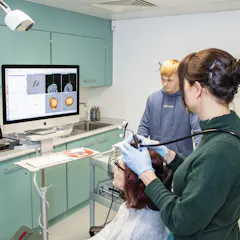
À l’heure actuelle, les pathologies cérébrales sont traitées soit par des médicaments, soit par des interventions chirurgicales. Mais une troisième voie semble s’ouvrir, grâce aux ultra-sons.

Viktor Orbán’s consistent flouting of democratic values has cost him a very large payout.
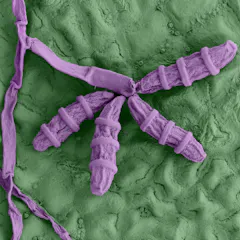
Despite being known to science for over a century thanks to a few early pioneering marine mycologists, most people have never heard of marine fungi.

Our expert authors explain the value in bringing the story of their research to a much wider audience.
Authors
-

Professor of Sociology, University of Plymouth
-
Lecturer in Education, School of Law, Humanities and Social Sciences, University of Plymouth
-
Researcher in Anthropology, Ethnobotany and Art History, Space Artist and Human Factors Specialist in Crewed Space Missions, Fellow International of the Explorers Club., University of Plymouth
-
Associate Professor, Marine Ecology and Fisheries Biology, University of Plymouth; Marine Biological Association
-
Director, Theoretical and Experimental Ecology Station (SETE), Centre national de la recherche scientifique (CNRS); University of Plymouth; The University of Texas at Austin
-
Associate Professor in Optometry, University of Plymouth
-
Associate Professor of Marine Ecology, University of Plymouth
-
Associate professor, University of Plymouth
-
Postdoctoral Researcher, Applied Marine Ecosystem Research Unit, University of Plymouth
-
Lecturer in Psychology, University of Plymouth
-
Professor of Marine Ecology, University of Plymouth
-
Professor of Marine Microbiology, School of Biological and Marine Sciences, University of Plymouth
-
Associate Head of School, School of Geography, Earth and Environmental Sciences, University of Plymouth
-
Visiting Fellow, Marine Ecology, University of Plymouth
-
Lecturer in Environmental Sciences, University of Plymouth