

As G7 societies age and birth rates decline, we must invest in collaborative open science research, to optimize brain health for every citizen.
Home – Articles, Analysis, Comment
Displaying 451 - 475 of 10514 articles
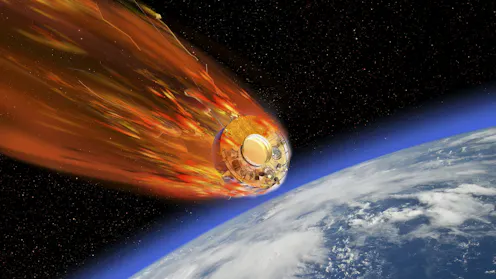
Human activity is causing large disruptions to the near-Earth space environment. We need an intergovernmental panel on space sustainability.

For Canada’s regulatory reform proposals to work, federal leaders need to stick to tight timelines even when faced with lawsuits and provincial pushback.
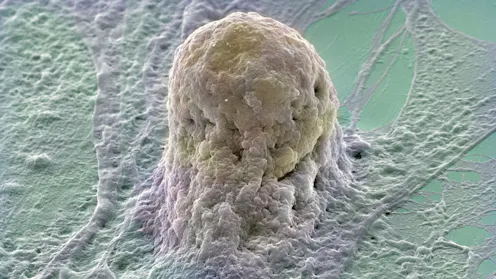
Stem cells offer an extraordinary toolkit for science and medicine. Researchers are getting better at turning these pluripotent cells into specialized tissues, including insulin-producing beta cells.

Wildfires can cause contaminants to seep into waterways, polluting the drinking water that communities rely on.
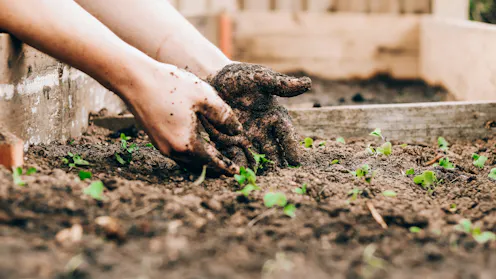
While contamination in soil is real, the benefits of gardening outweigh it, and there are plenty of simple, affordable steps gardeners can take to protect themselves.
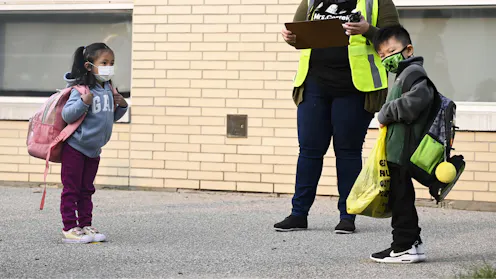
An increase in the number of kindergarten children with special needs since the pandemic means more children will require specialized assistance and accommodation in later grades.

New research finds that people consistently describe women as detail-focused and men as visionary, a bias with measurable consequences for who gets promoted.

This cultural trend is a politically meaningful symptom of broader structural inequalities.

If science teachers embrace history as a lens for teaching complex accounts of science, we open possibilities for more socially relevant classrooms.

PMOS is not primarily a disease of the ovaries. Its new name reflects the condition’s more complex and cyclical endocrine and metabolic features.
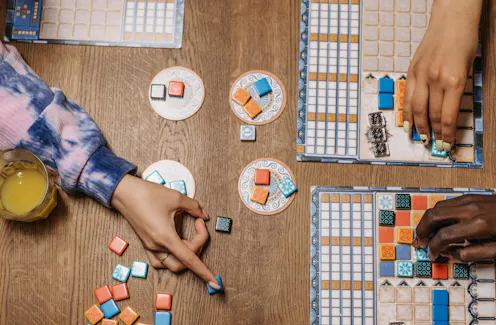
Research demonstrates that playing board games helps develop socio-emotional growth, strengthens relationships and helps build community.
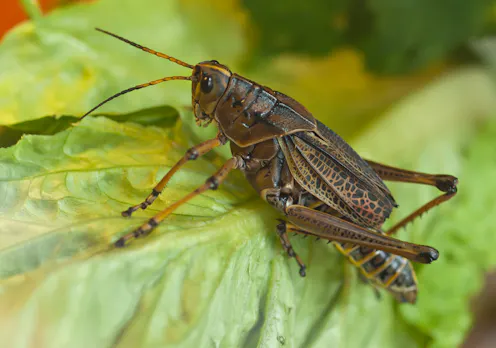
Research among adult visitors to the Montréal Insectarium reveals that many people will consider eating insects, especially when they are ground up as flour.

In crowded events like the FIFA World Cup, a single imported measles case can spread rapidly due to visitors from areas with varying vaccination coverage.

The hantavirus outbreak that began on a cruise ship is a reminder of something we keep having to relearn: When humans push into ecosystems they don’t normally inhabit, they are exposed to viruses.
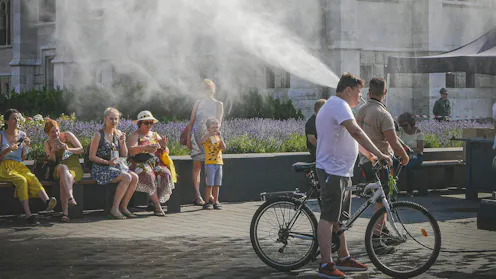
The number of days with summer conditions is growing by roughly six days more each decade since 1990, contributing to fire season, drought, energy demand and disrupted agricultural activity.

The best way to apologize involves making victims the primary focus, not the apologizing state. Apologies that prioritize rehumanizing victims prove more effective at rehumanizing apologizers too.
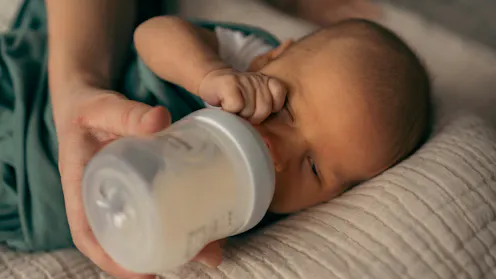
Two studies in the field of perinatal care show how, in the areas of breastfeeding and obstetrics, science prioritizes risk and the baby at the expense of mothers’ well-being.
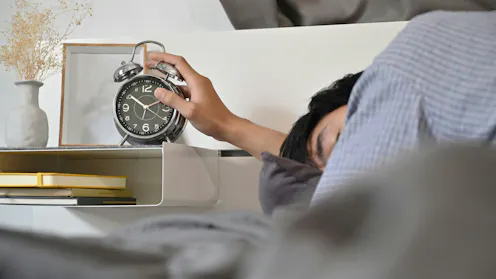
A 10-year study of nearly 3,000 Canadian workers finds that sleep quality and diet do more to protect health under chronic work stress than exercise.

Bubble, hoop, wiggle, bed: Some words bear an uncanny resemblance to the shape of the object or action they describe. And we tend to process them faster.

The more Canadians understand why some risks are being prioritized over others, and why resources are being directed accordingly, the better equipped the country will be to handle what comes next.

As Canada co-hosts the 2026 World Cup, its men’s soccer team offers a more diverse and inclusive vision of national identity than the country’s traditional sports have provided.

Racism is not only a set of individual prejudices or isolated acts of violence. It is a multisensory, structural system that shapes how minorities experience the world, both enabled and reinforced by institutional failures.
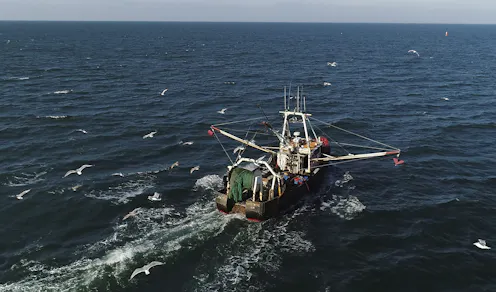
Bottom trawling operates by dragging large, weighted nets across the ocean floor, sweeping up most of the life they encounter along the way and destroying habitats.

Bilingualism may interact with verbal memory and sex steroids to influence dementia risk in unexpected ways.