

For older employees already experiencing burnout, poorly designed or poorly timed training can become an additional job demand rather than a solution.
Business + Economy – Articles, Analysis, Comment
Displaying 26 - 50 of 2179 articles

Alberta’s move to shift disability recipients onto a lower-paying, employment-focused benefit assumes people can make up the difference through work, savings or family. Research suggests few can.

A study of more than 750,000 student records from four Toronto universities finds that living in residence is linked to better grades and higher satisfaction, especially for first-year students.

Fossil-fuel dependence, the costs of adapting to a changing climate and the transition to cleaner energy are all driving up costs.

Canada’s approach to airline strikes pits the need for reliable air travel against the constitutionally protected right to strike. Other countries show there is a workable middle ground.

Secession, the formal withdrawal of a region from a country, involves trade-offs. Preliminary research shows those trade-offs would be significant for Albertans.
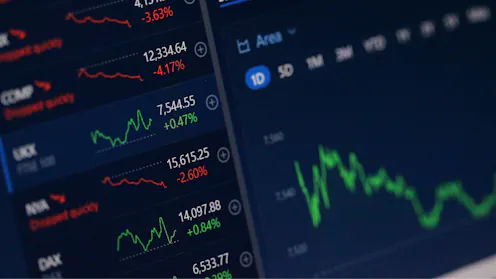
Wealthsimple is launching a CIRO-approved prediction markets app soon. The evidence suggests most traders lose money, and the products look a lot like gambling.

Lower inflation does not mean prices will return to where they were before. Inflation measures the average change in prices over time, not which specific prices are rising or falling.
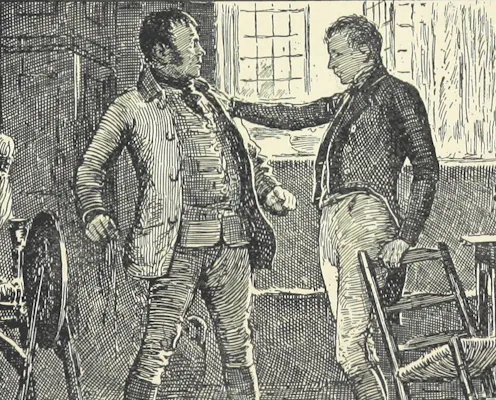
In the age of AI we are once again hearing about Luddites, the 19th-century textile workers who sought to protect their livelihoods in early industrial England.

Calls to decolonize economics challenge the discipline’s foundational assumptions about development, markets and inequality.

As long as women and other equity-seeking groups are underrepresented, Canada’s clean energy workforce remains inequitable.

Front-line workers have little control over how customers treat them. New research on taxi drivers points to a simple coping habit.

Ottawa’s $3-billion National Food Security Strategy funds greenhouses, food terminals and processing plants, but not the advisors who help farmers put any of it to work.

The province’s World Cup exemptions show that remote work can be accommodated when governments decide it matters.

Announcing ambitious education policy goals is easier than ensuring institutions, employers and educators have the resources necessary to achieve them.
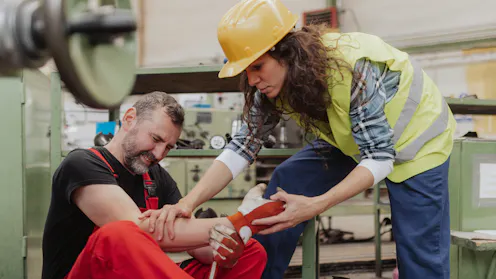
High temperatures raise the risk of everyday workplace injuries, yet Canada still has no common standard to protect workers from extreme heat.

There’s a widening divide between two Canadas: one marked by working-class misery and homelessness; the other by the unprecedented prosperity of the uber-wealthy. This wealth gap is unsustainable.

A newly proposed pipeline to B.C.’s coast promises tens of thousands of jobs and billions in GDP growth. But falling Asian oil demand and a track record of cost overruns complicate the picture.

Provincial alcohol bans have drawn presidential notice. Ontario and Québec should now sell their U.S. inventories as a goodwill gesture while continuing to ban imports.

A new report shows Canada’s $10-a-day child care has generated real returns, but unlocking more benefits depends partly on bolstering the child-care workforce.
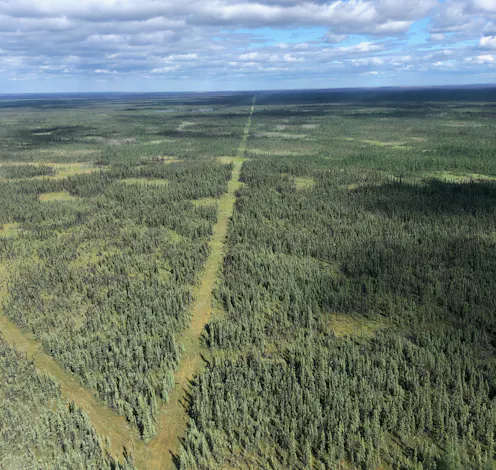
Seismic lines fragment forests and alter their ability to act as habitats and provide climate change mitigation benefits.

Public safety workers face rising rates of psychological injury and suicide. Research suggests employers are focusing on the wrong solutions.

The language of burnout turns up in agricultural records from more than 200 years ago, long before the term entered popular use.
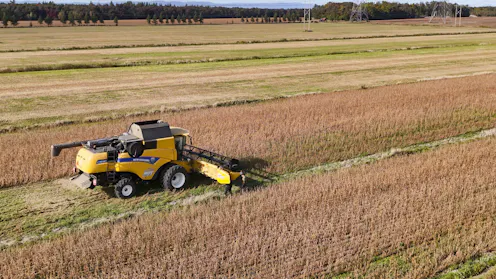
New research shows that corporate concentration, the agricultural treadmill and export-driven policy have turned farm expansion into a survival requirement.

New research suggests Canadian companies that disclose their climate risks are winning over European investors.