

Rising tensions between the United States, Israel and Iran have sent oil prices surging. While households and governments face higher costs, parts of the fossil fuel industry stand to gain billions.
Business + Economy – Articles, Analysis, Comment
Displaying 126 - 150 of 2179 articles

It’s common for early career professionals to assume that HR functions like a neutral mediator designed to resolve workplace disputes, but it’s important to understand this isn’t the case.

At binz stores, surplus goods move downstream through a hidden retail ecosystem, giving products a second life and shoppers the chance to stretch their dollars.

Rural regions need skilled graduates and for international students studying there to stay and work. Housing and employment security are key in factors in whether this is viable.

Oil shocks create winners and losers, but the Canadian dollar no longer softens the blow the way it once did.

With robust governance frameworks, AI-enabled technologies have the potential to make high-risk workplaces safer.

The Strait of Hormuz is one of the world’s most important economic chokepoints, and it has just been closed off by the conflict in Iran.

China accounts for more than 80 per cent of global battery production. It’s highly unlikely the U.S. can reduce China’s role in the production and processing of critical minerals.

Self-control is a valuable trait, but when we assume it comes effortlessly to those who demonstrate it, we risk burning out the people we depend on most.
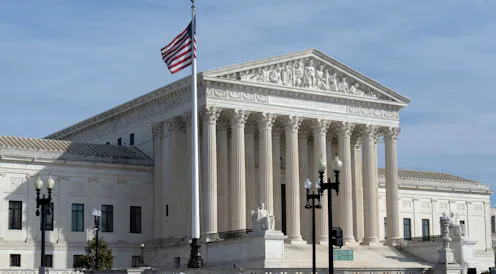
Equating controversial or legally contested executive actions with the collapse of 250 years of constitutional democracy risks conflating the overreach of a singular president.

Policymakers should recognize open banking as part of Canada’s response to economic abuse and small business resilience, not only as a competition or financial sector reform.

If fair and equitable pay is truly a Canadian value, attention to wage inequality cannot stop at gender.

Canada can draw lessons from its centuries-long coexistence with an often-erratic neighbour to successfully navigate the economic volatility of the present era.

Ethical consumption does not fail because consumers are indifferent or hypocrites, but because ethical choices often feel financially out of reach.

Sports betting isn’t going anywhere anytime soon. Understanding how we got here, who the players are and what’s at stake are necessary for the future of sport.

A new study shows firms led by CEOs who experienced major disasters early in life report significantly fewer worker injuries, suggesting leadership values matter alongside regulation.

New research explores the psychology behind work-related love and its implications for modern organizations.

Dating apps reshape human connection, love, choice and intimacy into market transactions designed to maximize profit rather than build relationships.

New evidence helps explain why loneliness at work matters, and how organizations can respond.

Canada is expanding programmes to facilitate home ownership. Yet young households are still struggling to buy. Our research reveals why these policies miss the mark.

U.S. tariffs disrupted Canada’s manufacturing sector in 2025, but their labour-market effects didn’t impact immigrant and Canadian-born workers the same.

Many Canadians rely on family or friends to file their taxes, but sharing CRA login credentials can be risky. Using a CRA RepID lets helpers access accounts while preventing fraud.

Canada needs to move towards a carbon-neutral economy, and the biomass sectors have a key role to play in this transition.

The new Grocery Code sets guidelines for retailers and suppliers, introduces a formal dispute resolution mechanism and may indirectly benefit consumers.

Interpersonal fear often explains why workplace hazards go unreported, even in high-risk industries.