
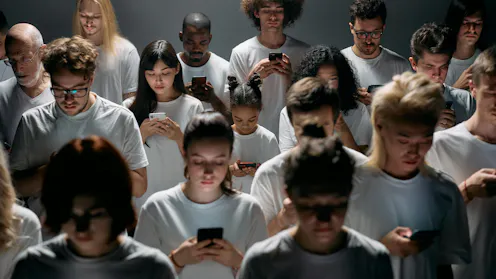
Pip Finkemeyer’s tech world novel, One Story, is interested in power and performance. It reveals how violence can hide behind language – and the performance of care.
Books + Ideas – Articles, Analysis, Comment
Displaying 326 - 350 of 1658 articles
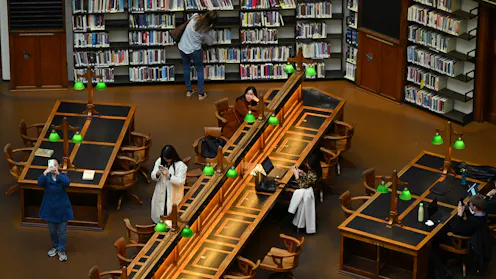
A new report shows that visits to Australian public libraries are up 10% – though funding is down. They provide everything from books and internet to help with CVs.
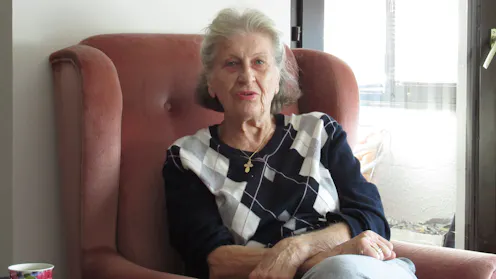
Legal academic Olivera Simic spent eight years talking to a war criminal prosecuted for crimes against humanity who receives fan-mail today.
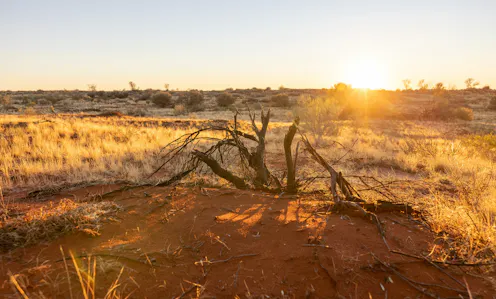
Jane Harper’s novels do not include any significant First Nations characters or perspectives. Nor do they acknowledge the deeper meaning and consequence of their Gothic conventions.
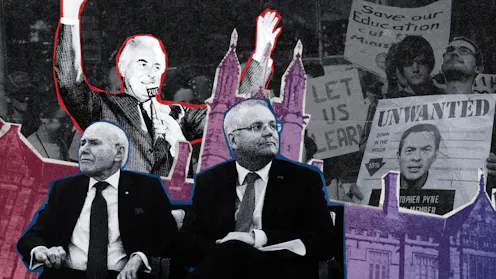
Thanks to the Job Ready Graduates scheme, an arts degree today will cost over $50,000. How have five decades of government policy taken us from free education to this?
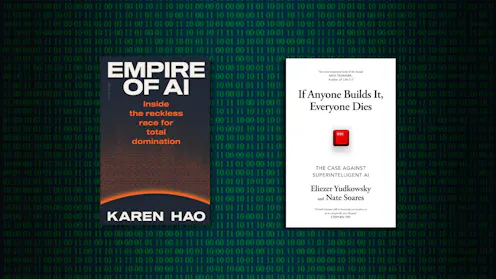
Two new books reveal the gap between the promises of AI companies and the reality. One exposes the industry’s questionable ethics. The other argues we’re racing to extinction.
The Rot is haunted by complicity, and haunting in its insistence on remembering every betrayal.
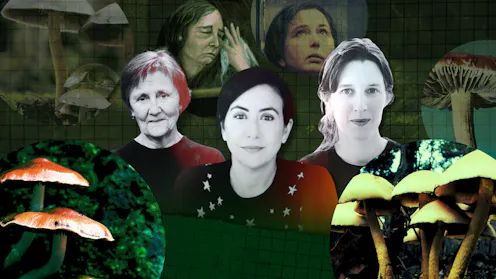
Literary journalists Helen Garner, Chloe Hooper and Sarah Krasnostein take us inside their conversations on the mushroom trial, writing and notorious women.
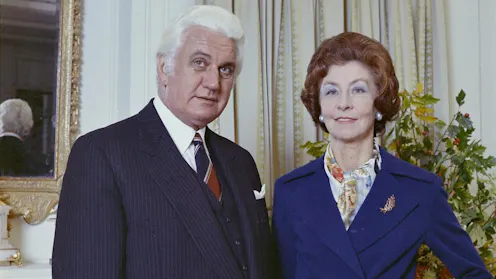
After The Dismissal, Gough Whitlam called John Kerr’s wife, gifted linguist Anne Kerr, ‘the Lady Macbeth of Yarralumla’. Who was she – and what was her influence?
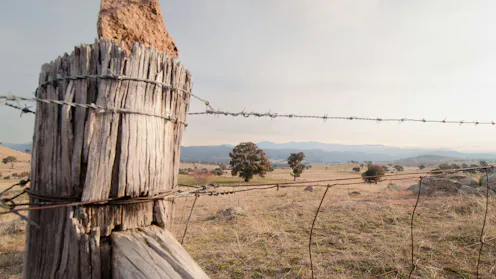
Stella Prize shortlisted author Debra Dank reflects on how her family’s lives were scarred by stolen wages and colonial violence – and on the complexities of apologies.
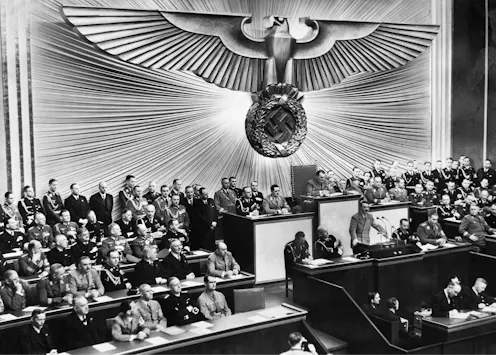
At the end of World War II, many Nazi war criminals fled to Australia. A new book tells the stories of the investigators who tried to bring them to justice.
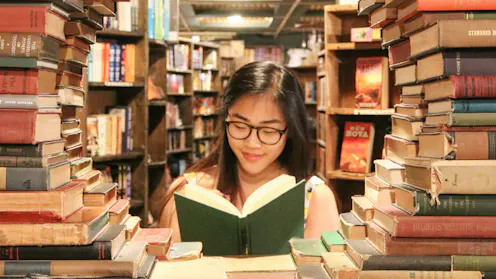
Enticing young people to read will require a concerted effort by parents, carers, teachers and public intellectuals to promote reading for enjoyment.
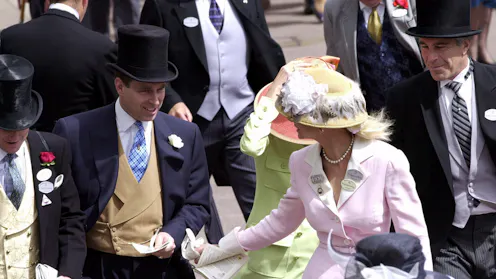
Even for those not interested in royal gossip, Andrew Lownie’s joint biography of former Prince Andrew and Sarah Ferguson is a fascinating – and revealing – read.
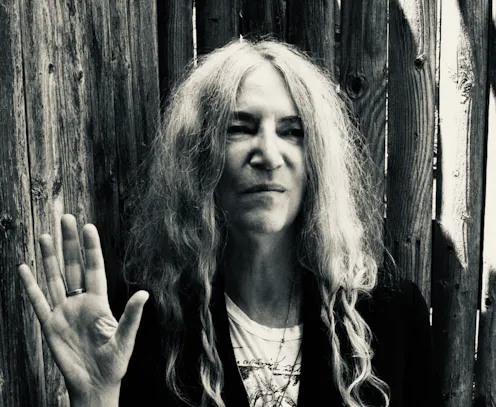
Patti Smith’s Just Kids was voted a best book of the 21st century. Her new memoir covers her whole life, charting deep love, unbearable loss and creative renewal.
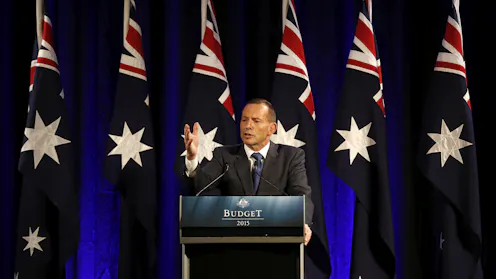
Tony Abbott begins his book Australia: A History, by telling off professional historians – and laments the “cultural confusion” of our present moment.
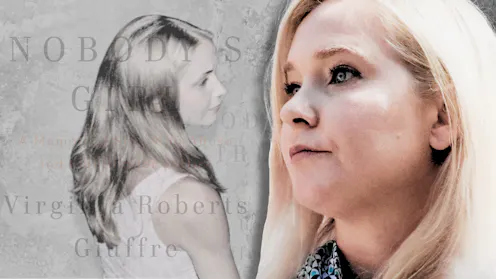
Nobody’s Girl is Virginia Giuffre’s inside account of the two years she spent as a ‘sex slave’ working for Jeffrey Epstein and co-conspirator Ghislaine Maxwell.
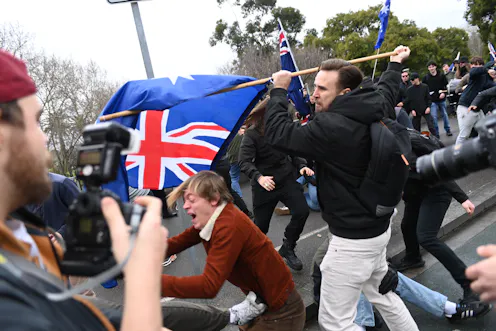
Australia has been, and continues to be, remarkably resilient. But the fragile machinery of democracy needs some long overdue maintenance.
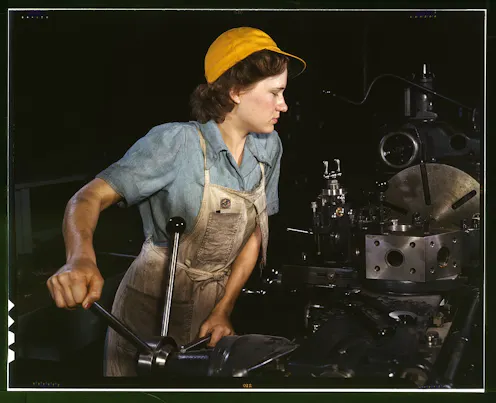
The Protestant Ethic and the Spirit of Capitalism is neither a history of economics, nor a religious history. It borrows from both, but is stranger than either.
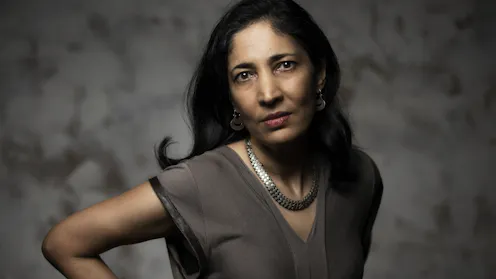
Is Kiran Desai’s The Loneliness of Sonia and Sunny the great American–Indian novel?

The Underworld showcases Sofie Laguna’s tremendous ability as a writer. But it’s hard not to want the novel to risk more and ask more.
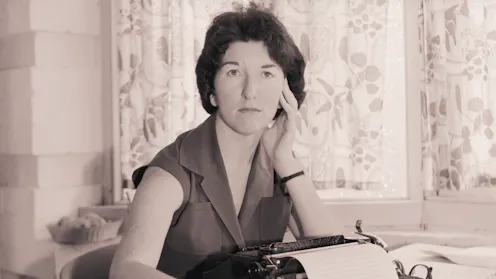
Australian author Elizabeth Harrower wrote four novels in rapid succession. Then she stopped. Perhaps the miracle is that she wrote anything, given her childhood.
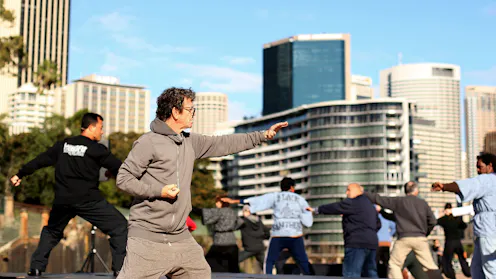
Carol Lefevre stumbled on tai chi while recovering from cancer, and after losing her mother and her aunt. It transformed her life.
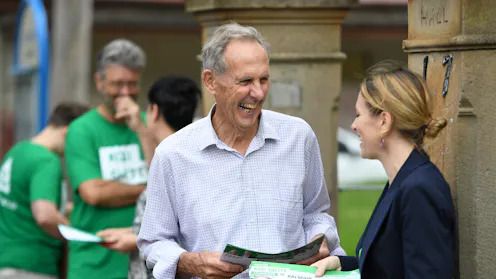
There is no creeping conservatism about the octogenarian Bob Brown. In his new book, he evokes the great tradition of non-violent political action.
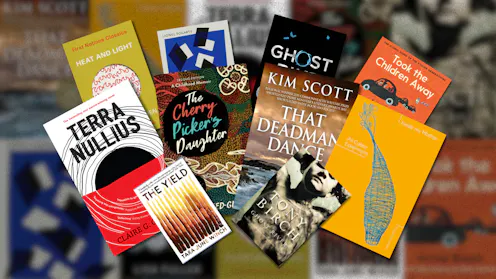
Just three Aboriginal writers appeared in Radio National’s poll. There was little sense of the breadth and creativity of our First Nations writing scene.
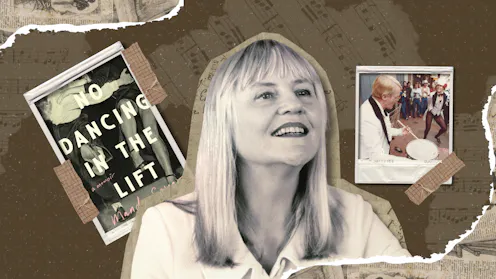
Mandy Sayer’s charming, challenging musician father is central to her four memoirs – including her shimmering latest, No Dancing in the Lift.