
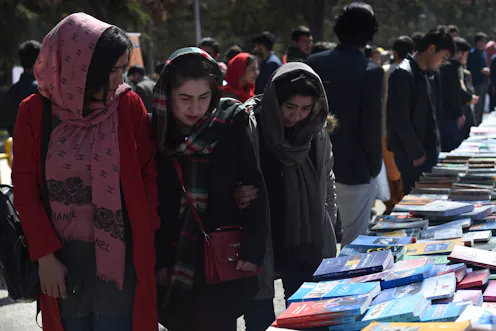
Silence would mean accepting and surrendering to the Taliban’s power, writes one of these authors. Theirs are the voices of resistance.
Books + Ideas – Articles, Analysis, Comment
Displaying 226 - 250 of 1659 articles

An early figure in the psychoanalytic movement, Jung is often written off. But his ideas of the collective unconscious and emphasis on archetype and myth resonate.
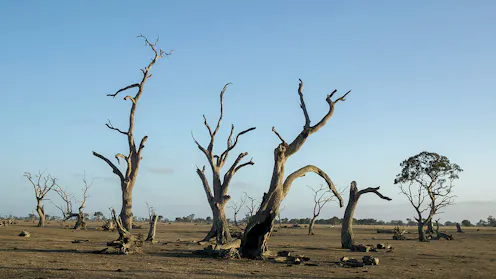
Award-winning author Eva Hornung’s time-travelling new novel explores Australia’s tensions around land ownership and belonging.

At some point, Australia must accept that it is time to break the chokehold commercial gambling has on this country.
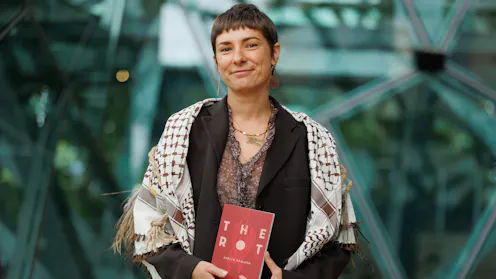
Australia’s laws are inconsistent when it comes to taxing winnings – and most artists and writers are the losers.

Philosopher and writer Albert Camus defined gangster morality as ‘an inexhaustible round of triumph and revenge, defeat and resentment’. Sound familiar?
Australian First Nations and culturally diverse authors talk about the balancing acts expected of them – and the pressure not to be ‘scarily diverse’.
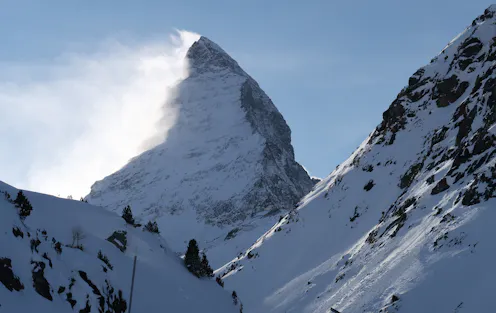
In her latest novel, Claire Thomas spotlights the significance of the Swiss Alps to a wide range of authors, scientists, historians and artists.
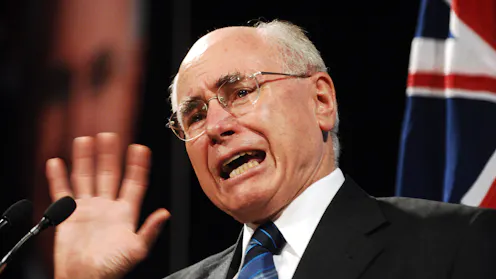
Australia’s impossible housing crisis, One Nation as a political force, privatised education … how many of our problems can be traced back to John Howard?
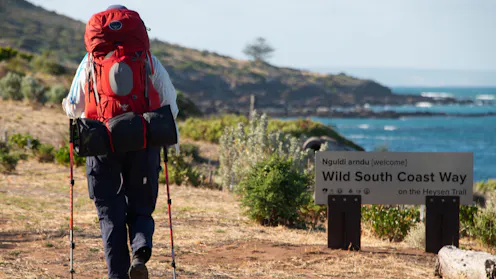
Rachael Mead’s body once carried her across Antarctic ice sheets. At 55, she set out to reclaim her resilience – and what she discovered was surprising.

Despite the rise of fleeting social media recipes, the cookbook is a touchstone of reliability, a cultural archive and even a guilty pleasure.
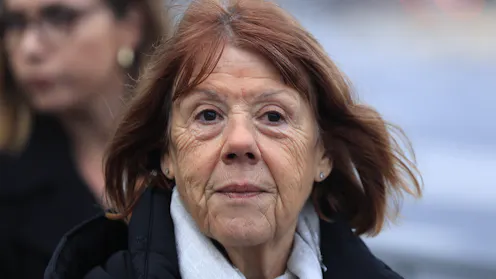
Gisèle Pelicot’s compelling personal tale is very different from her daughter’s, reflecting their contrasting ways of surviving trauma.
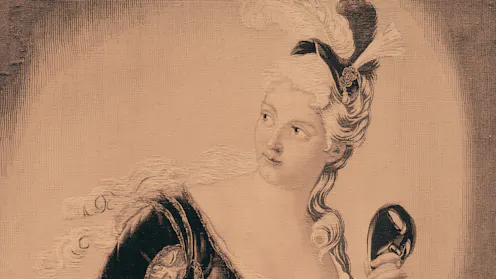
First published in 1725, Fantomina tells of a woman who adopts disguises to keep her lover’s attention. While avoiding moralism, it skirts questions of consent.

Big Kiss, Bye-Bye explores the psychological fallout from a broken relationship and the human tendency to seek shelter in illusions.
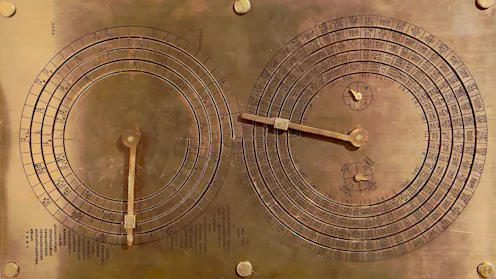
Blaise Agüera y Arcus argues that prediction is the fundamental principle behind intelligence and “may be the whole story”.
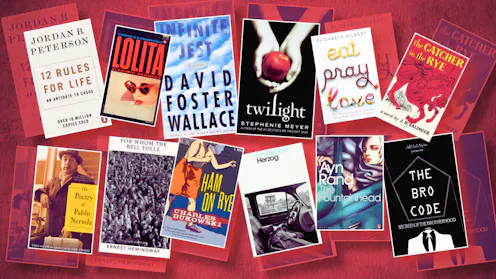
We should not close ourselves off to the possibility that a fun, charismatic David Foster Wallace fan may theoretically exist, somewhere in the world.
The essays in a new anthology offer two distinct ways of interpreting the Promethean legacy of scientific progress.
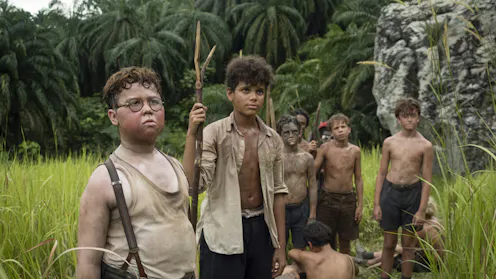
The ‘vile’ side of humanity William Golding saw in World War II haunts his famous novel. He later came to dislike the book, dismissing it as ‘boring’ and ‘crude’.
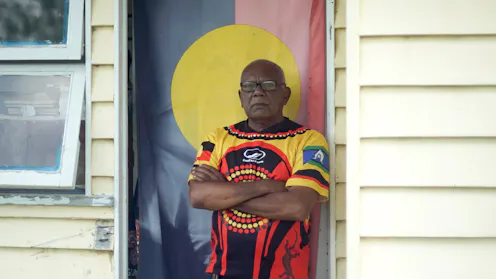
Novelist Alexis Wright has described Lionel Fogarty as Aboriginal literature’s ‘poet laureate’. His was a life of energy, art, yarning, poetry and politics.
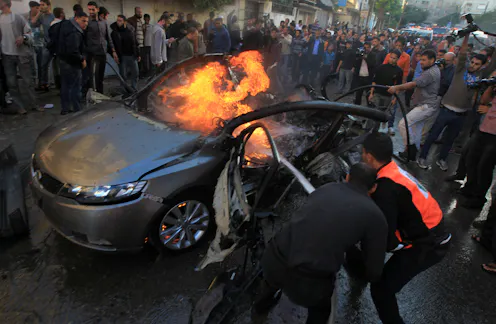
Shot, stabbed, poisoned with frog toxin – a new book reveals how the killing of political opponents has emerged from the shadows of government secrecy.
Is gardening a form of resistance in a world demanding endless efficiency and self-optimisation?
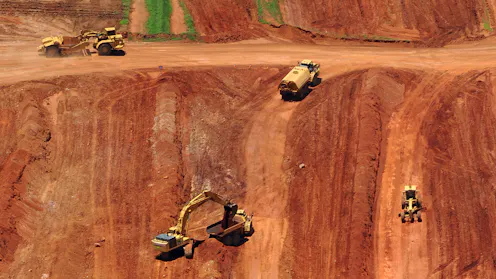
Mining has driven Australia’s prosperity and way of life. It’s also environmentally and socially destructive. Our mining crime novels explore this tension.
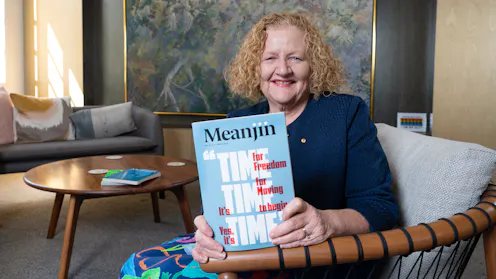
Cancelled Australian literary journal Meanjin returns to its origins in Brisbane, where it was founded in 1940. It’s a good move for more than one reason.
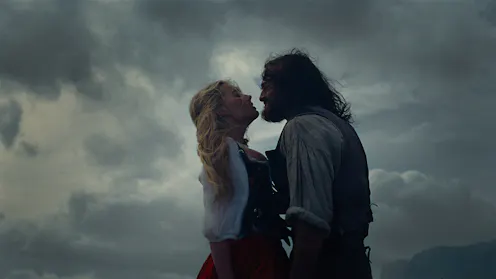
Heathcliff sneeringly rejected the idea he was ‘a hero of romance’ – though the new film claims Wuthering Heights as the greatest love story of all time. Is it?
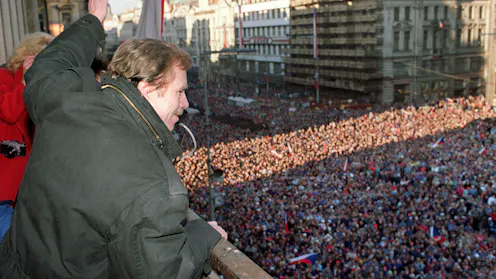
In his recent speech at Davos, Canadian prime minister Mark Carney drew on Havel’s book challenging compliance in an age of untruthfulness. What does it say?