
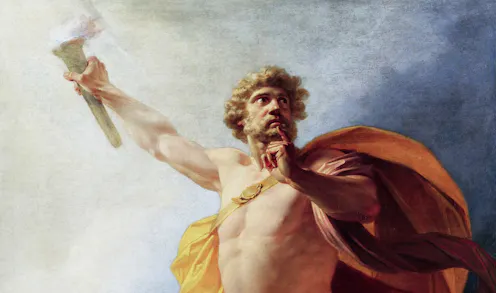
Are people willing to believe in AI because it taps into myths that are deeply ingrained in their imaginations?
Books + Ideas – Articles, Analysis, Comment
Displaying 301 - 325 of 1658 articles

The book Someone Like Me offers deeply human insights into what it means to live in a neurotypical world as a neurodivergent person.
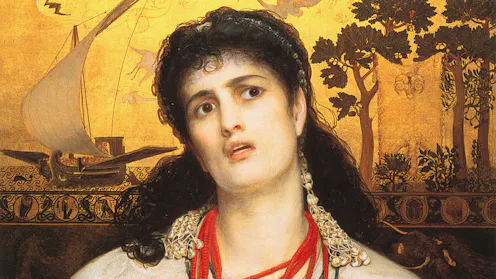
In two thrilling new fictional riffs on Greek myth, Natalie Haynes and Zoe Terakes interrogate ancient stories of heroism and desire.
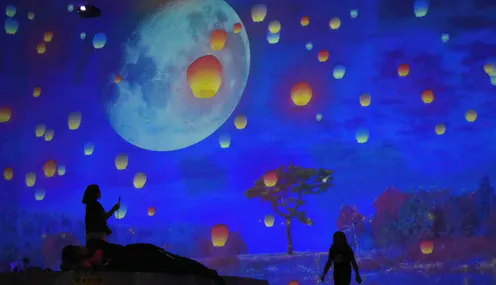
In her latest novel, Merlinda Bobis envisions the past not as a grand narrative, but an organic process – entangled, living and mutable.
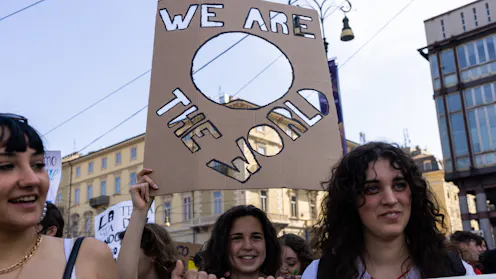
Can one person change the world? At a time of pessimism and populism, a new book suggests how we can achieve social change.
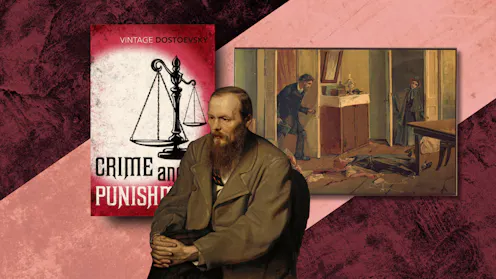
Revisiting Fyodor Dostoevsky’s compelling, original and scandalous novel – after a 60-year hiatus – is a profoundly affecting experience.
At the centre of this novel is a lonely man, the son of a Greek migrant cafe-owning family, who finds a home in a newsroom at a time of turbulence.
The internet offered a world of connection and cooperation. What we got was a world of ruthless monopolies and oligarchs.

War on Science takes aim at science’s global culture wars. Edited by controversial physicist Lawrence Krauss, it argues evidence-based science is under threat.
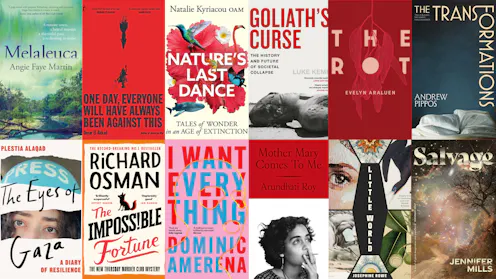
We found out the favourite 2025 books of 35 expert readers – and the Books & Ideas team shares our own picks, too.

In his latest book, Clinton Fernandes explains why the AUKUS deal is an all-too-predictable continuation of past follies.

In 58 Facets, legal anthropologist Marika Sosnowski reflects on displacement, violence, resistance and her own family history.
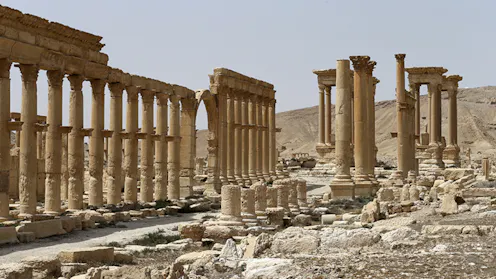
A new book, Goliath’s Curse, will reset everything you thought you knew about the rise and fall of civilisations – with worrying implications for our world now.
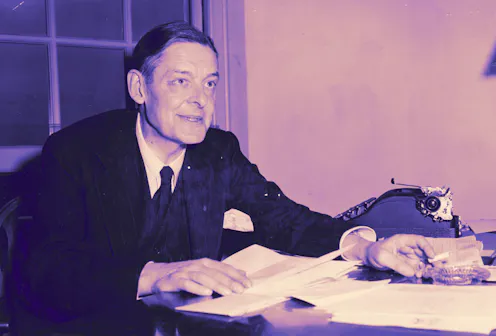
Diagnostic and symptomatic, accusatory and culpable, communal and personal, The Hollow Men is a poem about that which ails society at large.

Sean Kelly’s Quarterly Essay asking what Labor stands for today focuses excessively on the prime minister, ignoring the wider party.
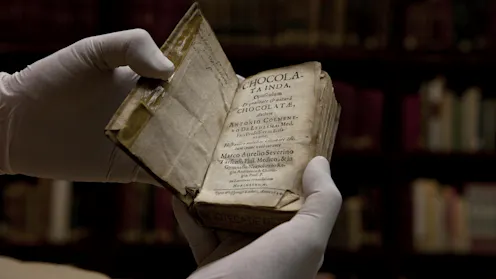
Print books embody culture. We see it in social media trends for annotating books, community publishing and wartime destruction of books spanning the Nazis to Gaza.
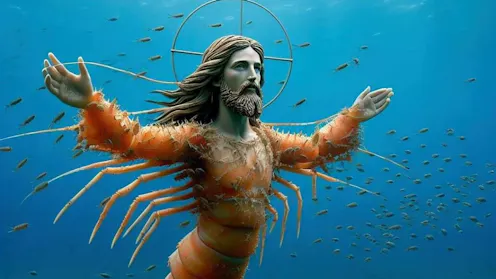
AI slop was the clear winner with honourable mentions including another AI-related word: clanker. But where are the colourful expressions of previous years?
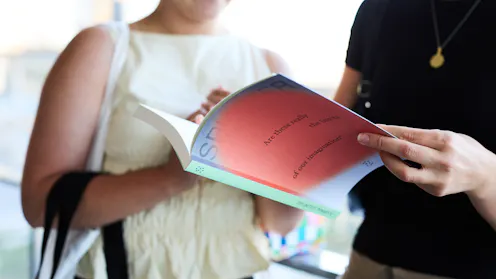
Literary journals are breeding grounds of talent – including the new Splinter, rebooted Southerly, and First Nations journal Sovereign Texts, launching next year.
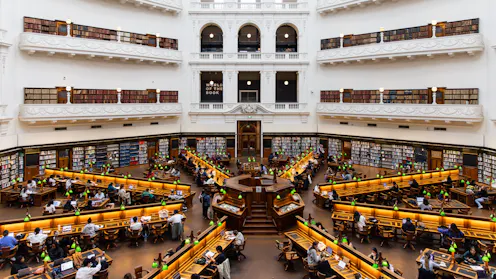
The State Library of Victoria’s ‘major’ proposed cuts include slashing the number of reference librarians and free computers for public access. Some staff are shocked.

Unapologetically Ita sketches the public life of a person who gets things done. An account of her career as a journalist, however, is a job for another author.
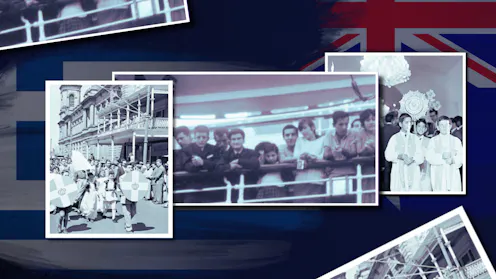
As ‘aliens’, postwar Greek immigrants attracted the attention of ASIO, irrespective of their political affiliation.

It’s not often that a screen adaptation manages to outdo a book – but in the case of Bunny Munro, the transformation is nothing short of merciful.
Aspiring authors in Australia are among those who have been scammed by a network of publishing houses using cloned websites and AI tools.
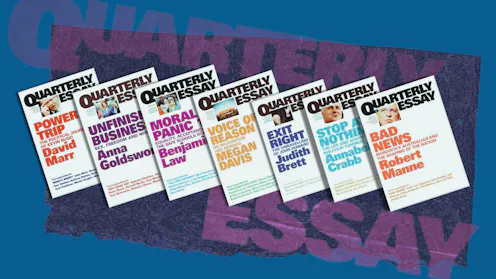
Longer than a magazine piece but shorter than a book, Quarterly Essay shapes our public culture in significant ways.

Australian history has often been written from a southern perspective. But a history of the tropical North sheds light on ‘truth telling’ and questions of race.