

Jane Austen paid attention to the women novels had been invented to ignore, allowing readers to see their thoughts far more clearly.
Books + Ideas – Articles, Analysis, Comment
Displaying 476 - 500 of 1655 articles
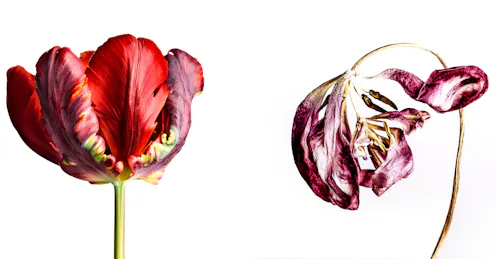
Ageing, especially women’s ageing, is often viewed negatively. In her memoir Blooming, Carol Lefevre critiques different forms of ageism.
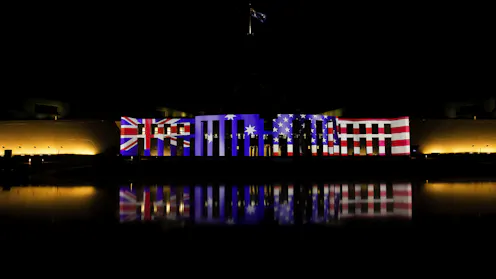
With the unpredictable Trump regime running the US and looming climate catastrophe, analysts Hugh White and Emma Shortis call for a fresh approach to our security.
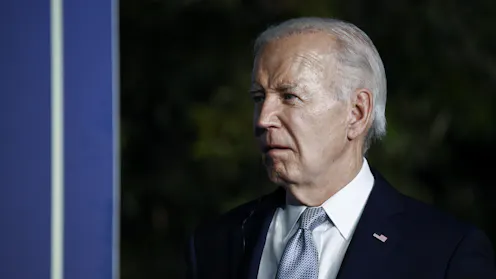
This devastating book successfully prosecutes the case of Biden’s decline and the conspiracy to hide it – but underplays Biden’s achievements.

Dominic Amerena’s debut novel explores the selfish side of literary life: the desire to have a real story, no matter who it belongs to – or what it may cost.
Humans are inescapably moral animals. Yet it is rare for most of us to reflect on how well our moral compasses are working.

Jim Chalmers, Andrew Leigh and Gavin Newsom are among the high-ranking politicians reading and sharing Abundance – a book that urges the left to reset its priorities.

We do not have to weather whatever Trump’s America throws at us, hoping in vain for rare scraps of benevolence. There is another way, writes Emma Shortis.

Salvage is a heartbreaking, life-affirming Australian dystopia that centres human connection – as the rich search for ways to escape and the poor salvage what they can.
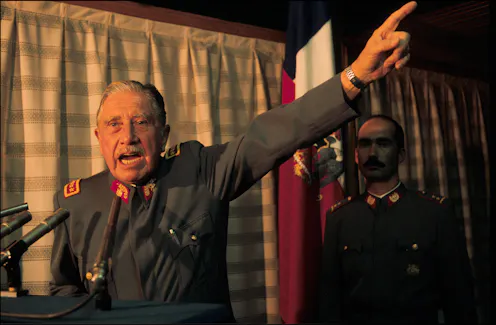
In 38 Londres Street, Philippe Sands brings to light the struggle to hold Chilean dictator Augusto Pinochet and former Nazi Walther Rauff accountable.
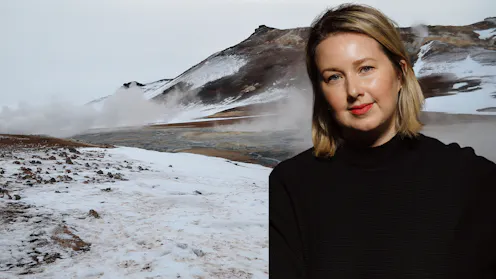
In Always Home, Always Homesick, Hannah Kent reveals how Iceland defines and divides her identity as a writer.

Her new book weaves an authentically retold personal story with high political drama. But Ardern misses an opportunity to reflect more deeply on her time in power.

Women are routinely degraded for entertainment in popular culture, from rap to reality TV. It’s packaged and sold as empowering and ‘good for women’.
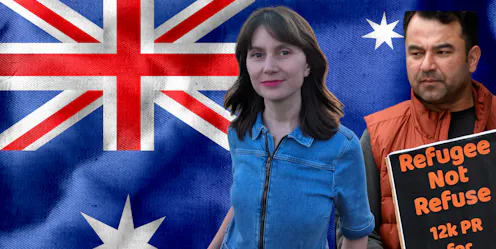
Megan Clement asks: why do some get to travel their chosen paths, while those most in need, like asylum seekers, are imprisoned for following them?

The revered nature writer asks ambitious questions in his latest work, written at a tipping point for the world’s climate.
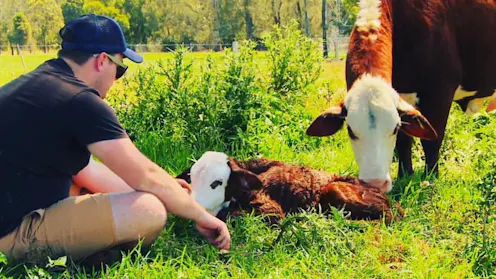
For millennia, writes Joshua Gilbert, Indigenous people had a systematic way of organising the land. Where are their voices in discussions of sustainable farming?
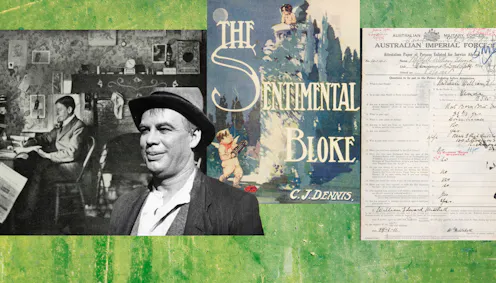
After more than 100 years, the mystery of the man who inspired this famous comic verse novel has been solved.
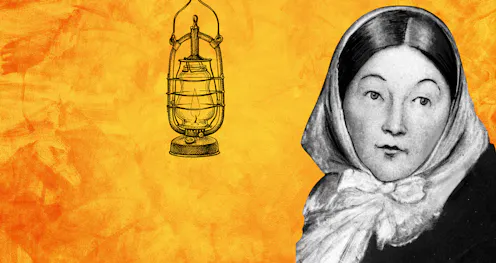
Laura Elvery’s novel, Nightingale, invites us to see the legendary nurse not as a symbol, but as a person shaped by illness, desire, pain and time.

Landfall is a haunting and propulsive crime novel, set in 2050s Sydney, that weighs the value of a human life on an ecologically ravaged planet.
Carbon offers a new way of thinking about planetary crisis, its causes and solutions.
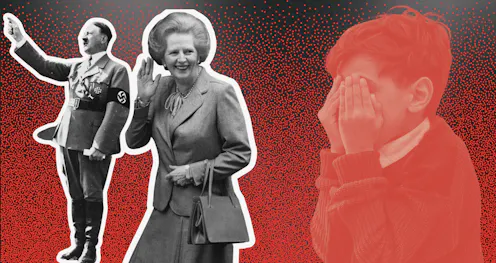
Catherine Chidgey’s new novel, set in an alternative UK under a version of Thatcher, continues her exploration of murky morality and the legacy of Nazi Germany.
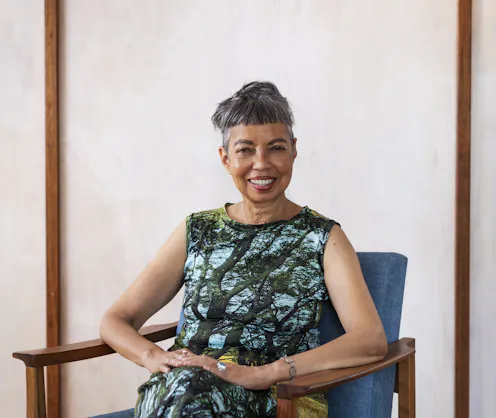
Michelle de Kretser has won the Stella Prize for the first time. Her winning novel, Theory & Practice, is currently longlisted for the Miles Franklin.

The withdrawal of Karen Wyld’s A$15,000 fellowship for a Stolen Generations novel, due to a Gaza-related tweet, is part of a recent pattern.

Writers’ concerns about AI are not only about payment; they are about consent, trust and the future of their profession.

Gender subversion, radical journalism and Black activism all feel startlingly modern – but Lucy Sussex profiles three pioneering Melburnian rebels.