

Left-wing Jewish political journalist Rachel Shabi delivers a nuanced take on antisemitism, legitimate criticism of Israel and the role of race and colonialism.
Books + Ideas – Articles, Analysis, Comment
Displaying 426 - 450 of 1658 articles

New crime novels by Mark Brandi and Jennifer Trevelyan are enthralling dramas about the loss of innocence and the possibility of redemption.

A vivid Torres Strait Islander story emphasising the tragedy of colonial rule and a slow-burning postwar tale of a white woman in Japan are engaging historical novels.

Peter Thiel has been described as the most influential right-wing intellectual of the past 20 years. He’s funded both JD Vance and Donald Trump. Who is he?
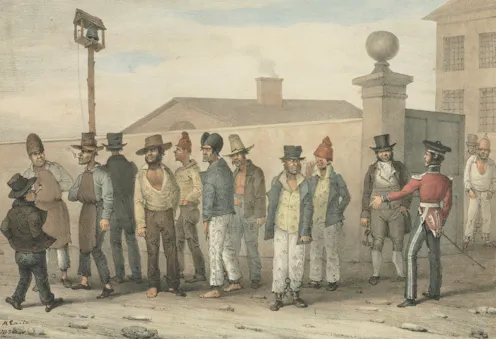
John Hirst’s body of work is an implicit but powerful defence of evidence-based history at a time when the truth is under attack.
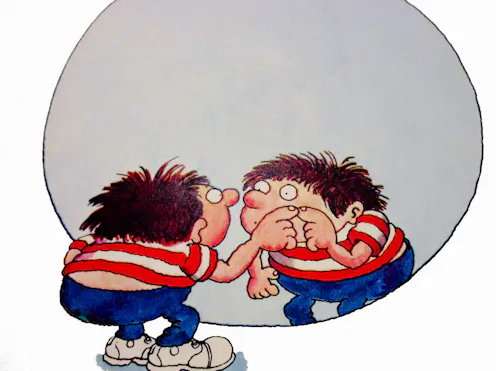
If you grew up in Australia in the past 50 years, there is a good chance it was an advertising executive who taught you the facts of life.
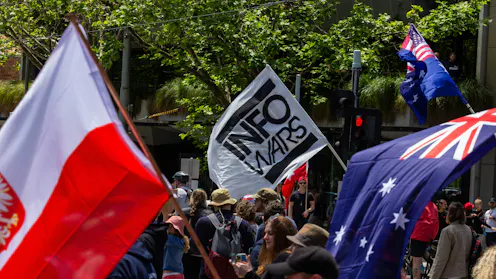
A new book, Conspiracy Nation, explains how conspiratorial thinking and misinformation spread – both online and in the real world – in contemporary Australia.
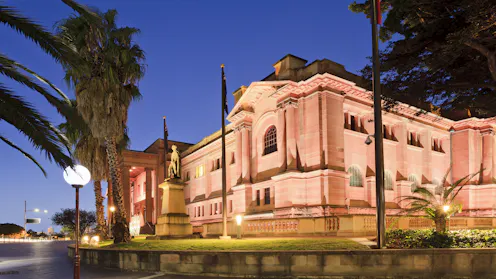
Sydney’s new year-round program of literary events is budgeted at $1.5 million, creating over 300 paid opportunities for writers over 12 months.
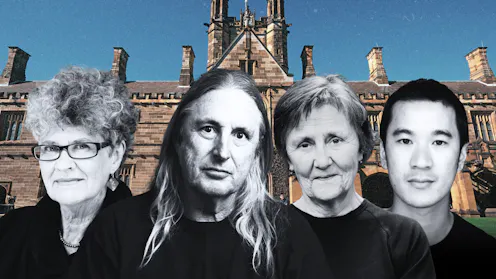
Tim Winton, Helen Garner and Peter Garrett are just a few of the high-profile signatories to an open letter against Job-Ready Graduates – and for the humanities.
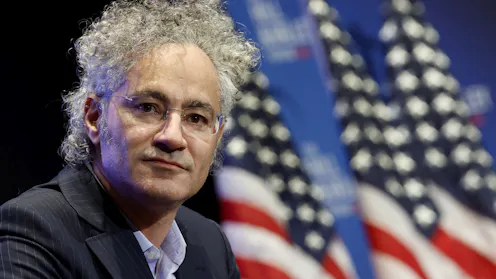
Palantir works with the US military and ICE. CEO Alex Karp argues too many tech companies are wasting their ‘creative brilliance’ on dating apps and online shopping.

Max Porter’s stories of people on the margins are told in fragments, flickering images, surprising swirls of language and wit.
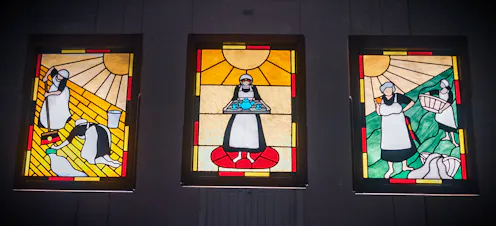
In an extract from her new book, Narungga poet and researcher Natalie Harkin reveals intimate truths about the shameful history of Aboriginal domestic labour.

Siang Lu has won the Miles Franklin Literary Award for his absurdist, ‘strikingly new’ novel about dictators in parallel cities – which dials the satire up to 11.
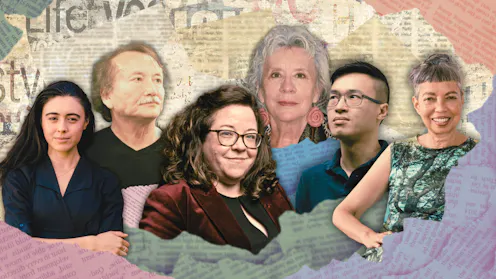
The six inventive books shortlisted for the 2025 Miles Franklin explore ideas of identity, self and nationhood – and play with both ideas and form.

In Never Let Me Go, Kazuo Ishiguro summons our liberal sentiments only to turn them against us.
Madeleine Griffiths’ book explores ‘problematic sex’ between academics and students on Australian campuses, through the stories of four women.

Katherine Brabon’s novel explores the roles of faith, science and storytelling in explaining and treating illness – and offering agency to the ill.
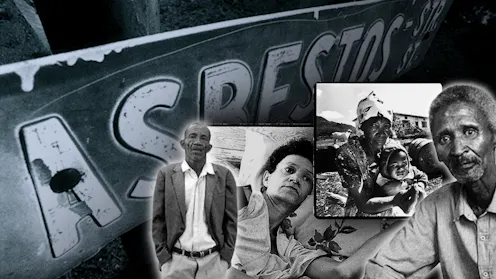
The health dangers of asbestos were already well known, but it took a David and Goliath legal battle to hold the mining industry accountable.
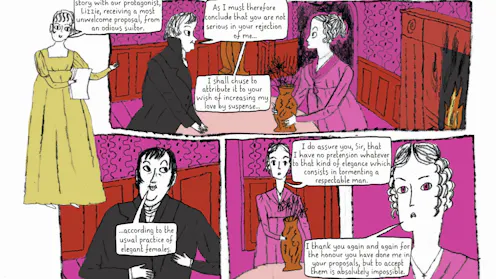
We’ve had Jane Austen biopics, biographies, screen adaptations galore. Now, her life story is told graphically, with both invented dialogue and glossary of sources.

The Soviet ‘illegals’ program trained and embedded spies who lived surreptitiously in the West – just like TV’s The Americans. Who were they, and did they really go away?

A biography of scientists Carl Linnaeus and Georges-Louis LeClerc explores the complex, disparate lives of two brilliant men who shaped the study of natural history.
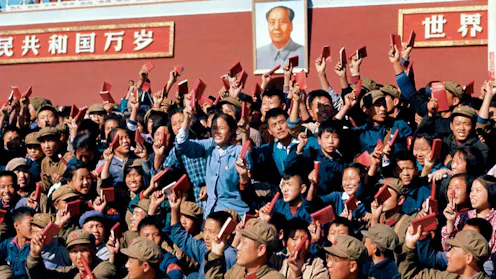
Linda Jaivin’s epic tale of China’s Cultural Revolution brings its players to life – and illustrates the massive scale of its violence, death and human suffering.

The Male Complaint argues it’s unhelpful to blame toxic masculinity for digital misogyny. We should try to understand the manosophere – even if we disagree with it.

How is it that some of us are privileged and many are not? This subject is at the heart of a new collection of poetry.
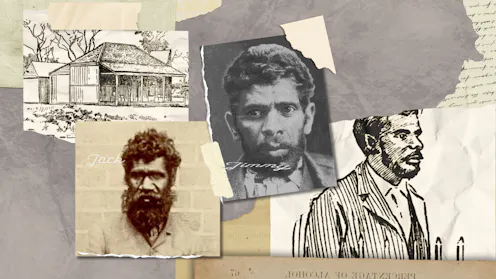
Historian Katherine Biber invites us to see the lives, crimes and deaths of Jimmy and Joe Governor in the context of bigger national ambitions – and colonial racism.