

The explosion of urban writing set in the cities and towns of Australia allows us to walk amid history, subcultures and alternative visions of urban places.
Books + Ideas – Articles, Analysis, Comment
Displaying 401 - 425 of 1658 articles
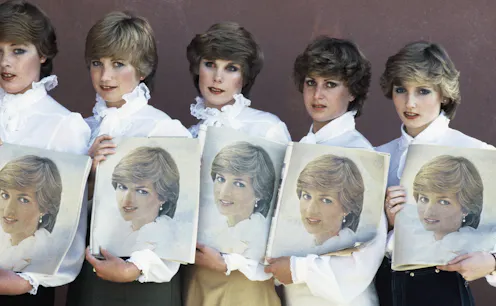
A new cultural history is as much about the princess’s people as the ‘People’s Princess’.

In his thoughtful new novel about people turning into trees, Rhett Davis puts postmodernism and myth through the figurative woodchipper.

In her book The Ferryman, Katia Ariel reveals the story of Ephraim Finch, ‘community ferryman’ of Jewish souls.
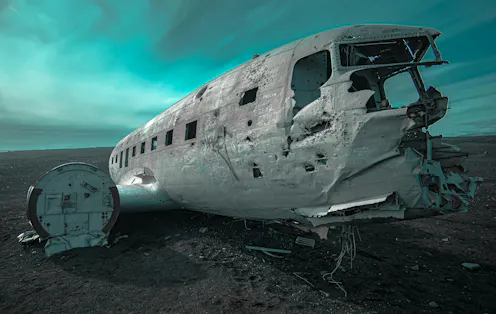
In Desolation, inexplicable elements, often in the form of coincidence, disrupt and distort causal chains. Dreams and imagination have a subversive role.
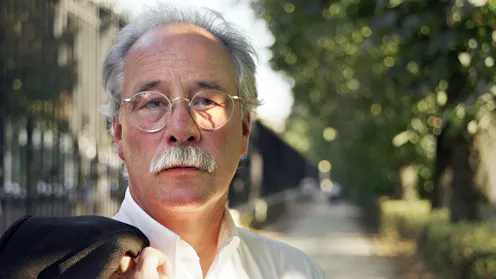
West Germany’s inability to mourn was deemed a ‘silent catastrophe’ by the late, great W.G. Sebald. His early critical writings appear in a book of the same name.

Toni Jordan’s novel Tenderfoot, a bracing, beautiful meditation on childhood, shares crossovers with her own life.
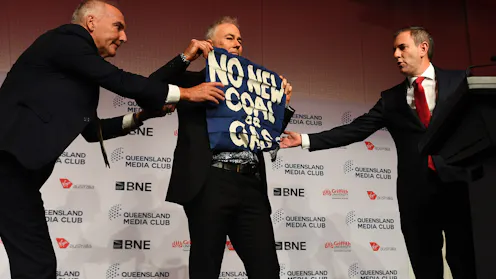
The science says we need to rush on climate change, but centrists like our PM are still telling us it’s not yet time to stop building new gas or coal mines.

Many young people are radicalised through personal relationships, rather than online. It’s our responsibility as a society to protect them.
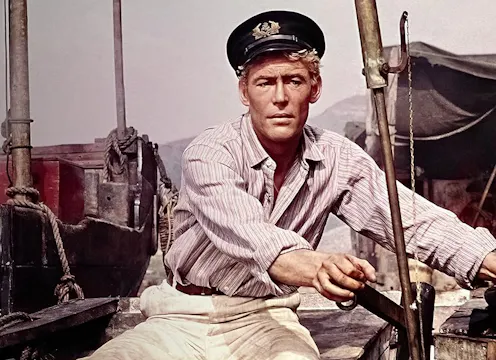
Conrad suggests our sense of being good derives from our belonging – yet that to which we belong is not necessarily good.

A journalist’s deep dive into the manosphere asks big, important questions about why men are susceptible and what we can do. But it struggles to provide answers.
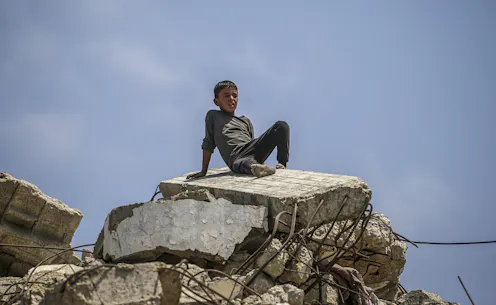
In One Day, Everyone Will Have Always Been Against This, Omar El Akkad asks readers to examine their consciences.

When twentysomething Ash arrives in Melbourne seeking a ‘new version’ of himself, he’s fleeing a country town and a joyless upbringing.

Bendigo Writers Festival has had to cancel 11 sessions, as writers withdraw over a code of conduct sent two days ago.
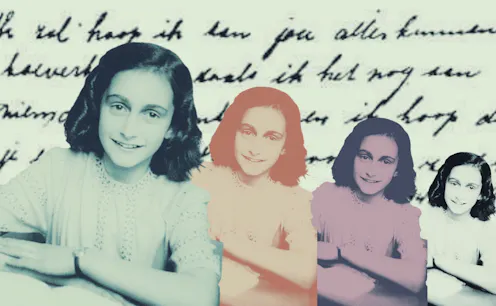
Anne Frank has come to symbolise many things. Can we ‘restore her as a human being’?
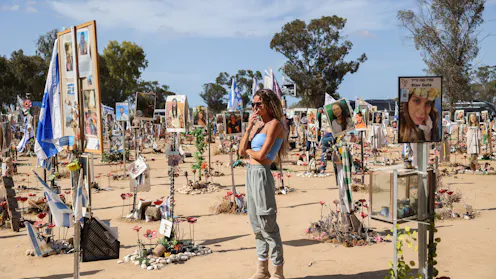
A new book is both a chronicle of pain and upheaval and a testament to strength and resilience.

In the internet age, all that is solid melts into data. This includes the work of authors, songwriters and artists, ostensibly protected by the law of copyright.

Nicolas Rothwell and Alison Nampitjinpa Anderson’s new book suggests only Aboriginal people, and the misfits who cleave to them, can know the desert’s grim majesty.

When the Cold War came to an end, neoliberals appealed to nature in order to justify inequality.
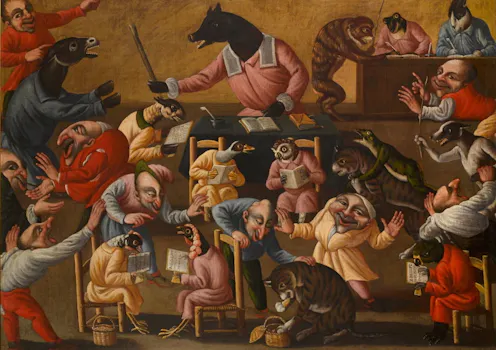
The inventive fictions of Michael Farrell, Lucy Nelson and Alex Cothren display flashes of brilliance and humour.

Stella Rimington has died, aged 90. Her spy novels, written from her secret service experience, provide fascinating insights into a clandestine world.

Modern science emerged precisely to deal with the way everything can be manipulated – and scepticism over ‘facts’ goes all the way back to Socrates.

Bookshelves as decor were trends in the 19th and 20th-centuries, too. So were book-of-the-month clubs and popular media on books. They helped make reading popular.
Exemptions to copyright legislation for AI would disadvantage Australian writers – and set a bad precedent.

First published in 1625, the British philosopher’s collected essays mix poetic aphorisms with prescient reflections on ‘false news’ and ‘cunning men’.