
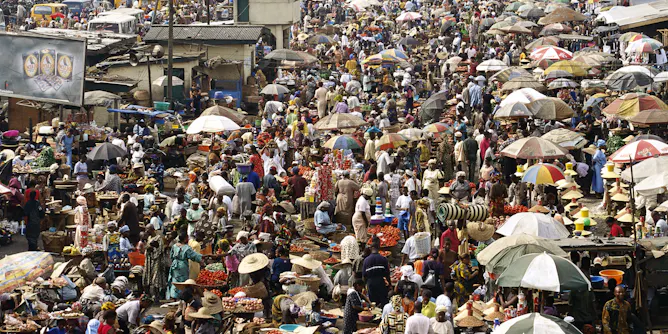
Floods regularly devastate Lagos’s informal workers, but traders and residents have built their own systems to adapt where the state has failed.
Articles on African cities
Displaying 1 - 20 of 54 articles

Chinese-funded infrastructure projects in African cities are driven by the national elites and therefore do not necessarily lead to community-level improvements.
Every city is different but they can learn from each other.
Rural people mostly grew their own food. But in the city, the daily meal became a commodity to be bought and sold.

Men and women experience and try to cope with stress in diverse ways.
Colonial era records reveal the intersection of race and access to water in South Africa’s history.
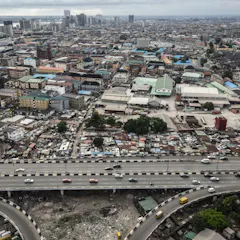
African cities need institutions that can adapt, transparent decision making, and collaboration with civil society and the private sector.

Johannesburg’s inner city has seen a surge in creative hub development, driven by artists with an entrepreneurial spirit.
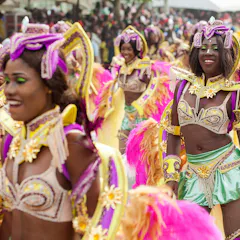
What was once just a cultural moment has become a powerful economic engine of cultural tourism.
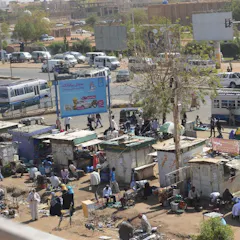
It’s time to rethink how Africa’s public spaces are defined and designed – by listening to how people already make cities public.

Women are wearing local fabrics in western designs; men are wearing western fabrics in local designs. This reflects the city’s cosmopolitan outlook.
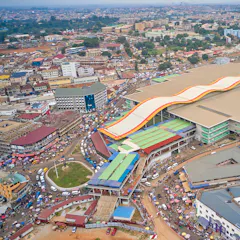
Kumasi was once considered among west Africa’s greenest cities.
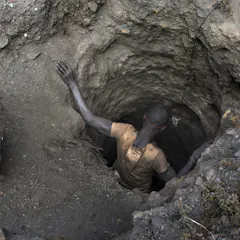
Lubumbashi is little known, but its minerals electrified the world, created atom bombs and are key to greener energy, the defining geopolitical issue of our time.
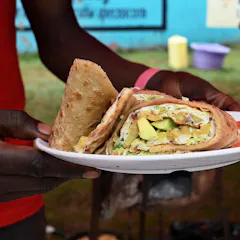
Famous around the world, rolex is a symbol of national pride. It has multicultural roots, creates employment and reflects deeper issues in society.

Ethiopia’s urban projects are often portrayed as beneficial to all residents – but this glosses over their highly uneven impact.

Kigali city’s master plan erases social memory in urban spaces.
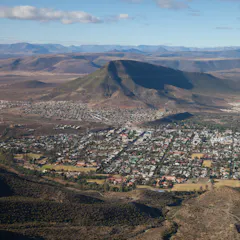
83.6% of the 367 residents in the survey said that they did not want the historic town’s name to be changed.

Youth citizenship is a fluid identity that stretches beyond disappointment, protest or voting.
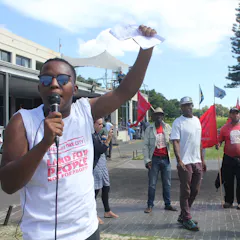
The filmmakers followed the Reclaim the City campaign for six years to document their struggle for accommodation in Cape Town’s elite ‘city bowl’.
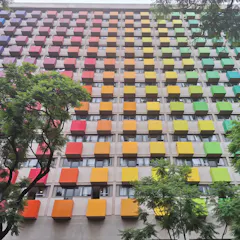
While a few new residential developments improve racial mixing, most other developments do not.
Top contributors
-

Research associate at African Centre for Cities, University of Cape Town
-
Senior Research Associate, University of Oxford
-
Professor of Architecture and SARChI: DST/NRF/SACN Research Chair in Spatial Transformation (Positive Change in the Built Environment), Tshwane University of Technology
-
Associate Professor of Urban Planning, The University of Melbourne
-
Senior Lecturer, Department of Planning, Kwame Nkrumah University of Science and Technology (KNUST)
-
Senior Lecturer, Department of Planning, Kwame Nkrumah University of Science and Technology (KNUST)
-
Associate Professor, Allan Gray Centre for Values-Based Leadership, GSB, UCT; Executive Head,Centre for Analytics and Behavioural Change, University of Cape Town
-
Lecturer and Researcher at the African Centre for Cities, University of Cape Town
-
Academic Fellow & Lecturer in Architecture and Cultural Heritage, Nottingham Trent University
-
Researcher, Gauteng City-Region Observatory
-
Lecturer at the National School of Architecture and Urbanism, Université de Carthage
-
Visiting senior lecturer, University of the Witwatersrand
-
Senior lecturer in Sustainable and Climate Responsive Architecture, University of Pretoria
-
Associate professor, UCL
-
Professor of Atmospheric Chemistry and Air Quality, UCL