
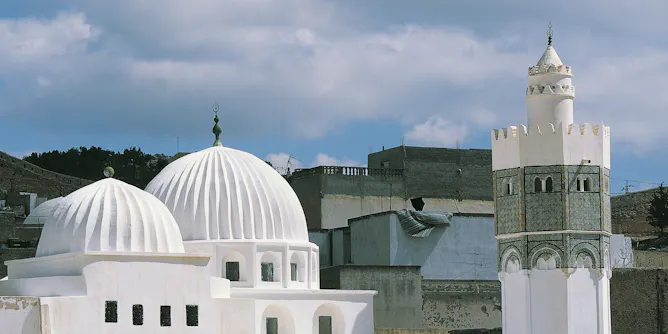
Tunisia has failed to capitalise on the heritage tourism potential of the ancient city and its natural surroundings.
Articles on African cities
Displaying 21 - 40 of 54 articles
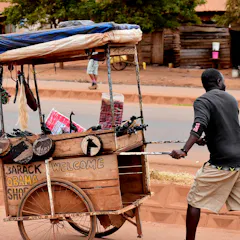
Street sales are a source of jobs, income and survival for the urban poor in Ghana.
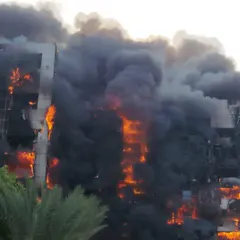
Architects give their views on a landmark skyscraper burning as Sudan’s capital is systematically destroyed.
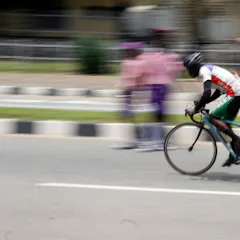
Lagos is famous for its congested traffic. Cycling could help change this image.
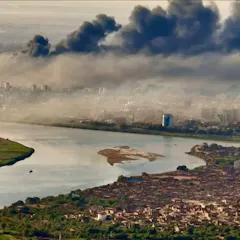
Both residents and Sudanese in the diaspora invested in homes to secure the future. Now the conflict is destroying hope.
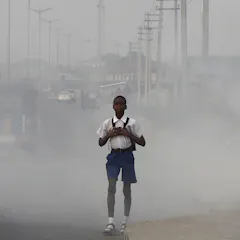
Air pollution accounts for many deaths in Africa yearly. However, this may change if people learn to protect themselves and hold their leaders accountable.
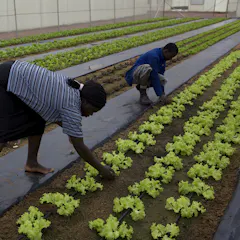
Urban farms can work in developing countries if farmers and architects are aware of conditions that favour food production in built spaces.
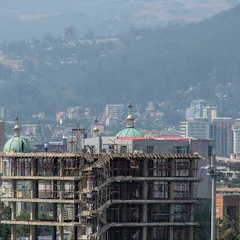
Gender parity in the top echelons of donor organisations is key, given that Africa’s cities rely on international aid for development.
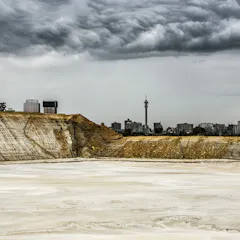
From butchers to hawkers, and shelters to miners, this book reveals the informal economy and texture of the city.
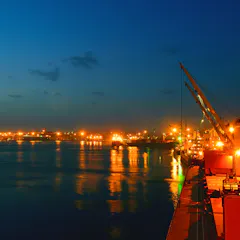
Harnessing the combined effect of trade and urbanisation could significantly boost the economies of African countries.

Twenty-six fast-growing African cities may battle health challenges if air pollution is not addressed.

The majority of planners believe that land is captured with impunity by powerful interest groups in Zambia and South Africa.

Social media platforms can be used to share critically important information about disaster management.

Master planning has served the entwining interests and ambitions of international as well as local actors in Africa.

A new approach to urban planning is needed to restore hope in African cities. There are three keys that can help unlock this.

How Harare has dealt with its urban canine citizens over the years following independence reflects the competing visions of a modern city.
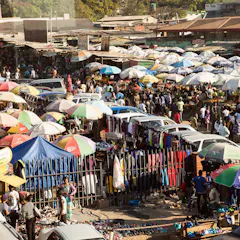
As the global South transitions to a predominantly urban future, food offers a way to understand the role of cities in future development.
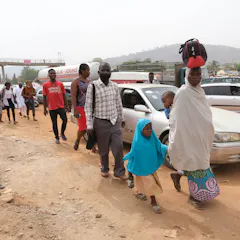
African city planners need to promote inclusive cities where residents are not captive walkers but walk because it is accessible, safe and pleasurable to do so.

Ghana has a long institutional history that’s shaped the practices which create dangerous buildings.

Johannesburg is not the most anxious or dangerous city in the world, but its global reputation, history and architecture make it a valuable site for thinking about how anxiety structures our lives.
Top contributors
-

Research associate at African Centre for Cities, University of Cape Town
-
Senior Research Associate, University of Oxford
-
Professor of Architecture and SARChI: DST/NRF/SACN Research Chair in Spatial Transformation (Positive Change in the Built Environment), Tshwane University of Technology
-
Associate Professor of Urban Planning, The University of Melbourne
-
Senior Lecturer, Department of Planning, Kwame Nkrumah University of Science and Technology (KNUST)
-
Senior Lecturer, Department of Planning, Kwame Nkrumah University of Science and Technology (KNUST)
-
Associate Professor, Allan Gray Centre for Values-Based Leadership, GSB, UCT; Executive Head,Centre for Analytics and Behavioural Change, University of Cape Town
-
Lecturer and Researcher at the African Centre for Cities, University of Cape Town
-
Academic Fellow & Lecturer in Architecture and Cultural Heritage, Nottingham Trent University
-
Researcher, Gauteng City-Region Observatory
-
Lecturer at the National School of Architecture and Urbanism, Université de Carthage
-
Visiting senior lecturer, University of the Witwatersrand
-
Senior lecturer in Sustainable and Climate Responsive Architecture, University of Pretoria
-
Associate professor, UCL
-
Professor of Atmospheric Chemistry and Air Quality, UCL