

While a small proportion of people have become ill while in contact with infected birds, there is no evidence it has spread from human to human.
Articles on Zoonotic viruses
Displaying 21 - 40 of 52 articles
Authorities have been warned about five virus families that could cause future pandemics. Here are snapshots of the diseases each can cause and why we should be worried.

For the lab leak theory to be true, SARS-CoV-2 must have been present in the Wuhan Institute of Virology before the pandemic started. But there’s not a single piece of data suggesting this.

Data suggests most of the time infection results in either no symptoms or very mild disease for cats and dogs. And the duration of their symptoms, if they get them, may be very short.
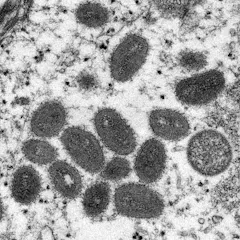
This is not the first time that the monkeypox virus has spread beyond Africa, its continent of origin. But the current epidemic is unprecedented for a number of reasons.

We can use AI to protect nature and human health. But first, we have to expand AI beyond being entirely human-centred.
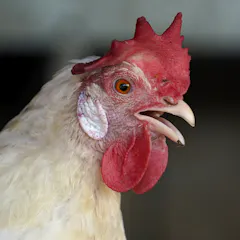
Avian influenza virus — or bird flu — can infect domestic poultry such as chickens and turkeys, as well as wild birds. The H5N1 strain has been identified in Canada.
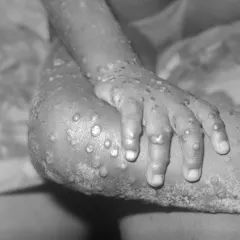
Two cases of monkeypox have been reported in Australia. Resurgence of this virus could be due to the ending of smallpox vaccination.
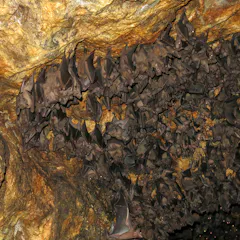
Scientists exploring the possibility of an animal origin for Covid-19 are still investigating the missing link between bats and human beings.
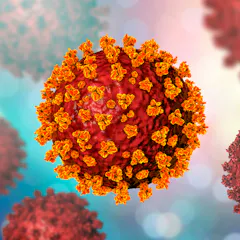
The delay in finding definitive answers to how novel infectious diseases come about is not unusual. Look at what happened to our search for Ebola virus.
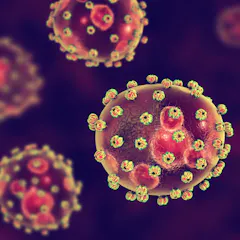
Given the small number of people that have been affected, the threat to the wider community is low.

One Health recognizes the interrelations between the health of humans, other animals, and their shared environments. It should be integrated in the international treaty on pandemics.
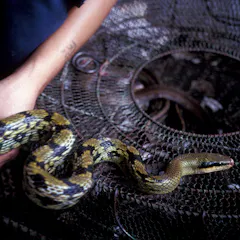
We analysed the legal systems regulating the wildlife trade in China. Here’s what we found.

Recent developments have shown that Nigeria requires improved surveillance to keep other diseases like Mpox at bay while battling COVID-19.
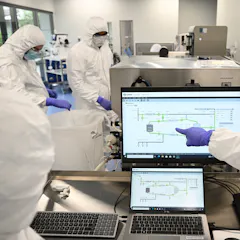
Scientists get up close and personal with deadly pathogens to give doctors the tools they need to treat people sickened by germs. The key is keeping the researchers – and everyone around them – safe.
Bat hosts, lab leaks – tracing SARS-CoV-2 to its origins involves more than just tracking down patient zero.

A more coordinated effort by scientists, stakeholders and community members will be required to stop the next deadly virus that’s already circulating in our midst.

Pandemic viruses arise from raising, harvesting and eating animals. Policy strategy for averting the next pandemic should include supporting those already seeking to make plant-based dietary changes.

Much has been said of the politics surrounding the mission to investigate the viral origins of COVID-19. So it’s easy to forget that behind these investigations are real people.
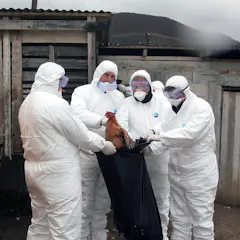
Ever since the 2001 SARS outbreak and H5N1 avian flu in 2003, we’ve developed tools to monitor diseases that transmitted from animals to humans. But what does a large-scale roll-out entail?
Top contributors
-

Senior research fellow, The University of Melbourne
-
Directeur régional Asie du Sud-Est, vétérinaire et épidémiologiste, Cirad
-
Professor of Infectious Diseases, Monash University
-
Associate Professor (Molecular Virology), Monash University
-
Fellow, Nigerian Academy of Science
-
Public Health Pathology, NSW Health Pathology, Westmead Hospital and University of Sydney, University of Sydney
-
Sydney Horizon Fellow, veterinarian and wildlife disease ecologist, University of Sydney
-
Adjunct Associate Professor of Epidemiology, Columbia University
-
Professor of virology and theme leader for viral infectious diseases, The Peter Doherty Institute for Infection and Immunity
-
Associate Professor of Business Ethics and Corporate Social Responsibility, Newcastle University
-
Emeritus Professor, infectious disease ecology, Griffith University
-
Researcher, Department of Animal Science, University of California, Davis
-
Epidemiologist, Cirad
-
Professor of Computational Medicine & Bioinformatics, University of Michigan
-
NHMRC Leadership Fellow and Professor of Virology, University of Sydney