
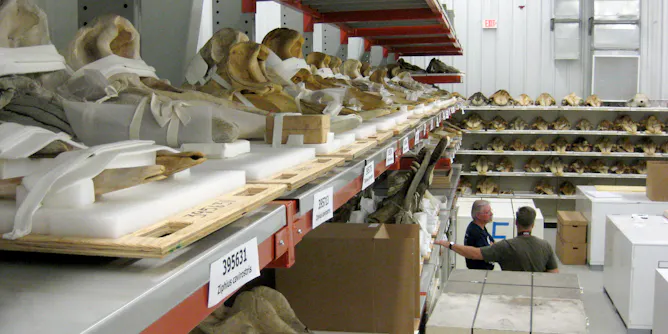
Specimen preservation means researchers don’t need to reinvent the wheel each time they ask a new question, making it critical for the advancement of science. But many specimens are discarded or lost.
Articles on Zoonotic viruses
Displaying 41 - 52 of 52 articles
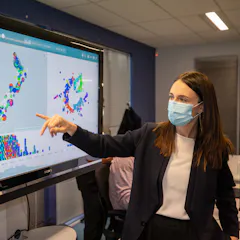
Watch two of Australia and New Zealand’s top vaccine and virus experts answering questions about COVID-19. This was filmed at a Conversation reader event with Avid Reader bookshop.
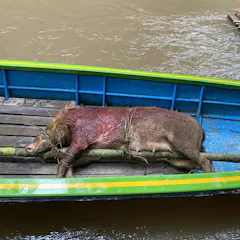
Indigenous people in rural Borneo associate the coronavirus with modern life, not their traditional hunting.
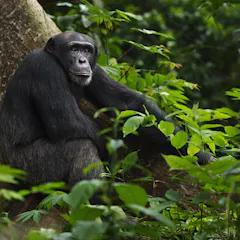
Zoologists have known for decades that some of the most devastating viral infections originate from animals. Their data and research can be used in efforts to prevent pandemics.

Australia has been identified as a hotspot for emerging diseases, which occurs when human activities collide with a richness of animal species.
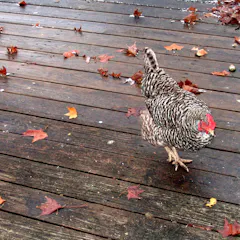
Amid the COVID-19 pandemic, some critics say livestock farms promote diseases that spread from animals to humans. An animal scientist explains how well-run farms work to keep that from happening.
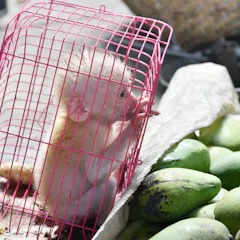
Ecological systems are at breaking point and a global economic collapse is under way. It’s time to invest in risk mitigation to prevent another COVID-type disaster.
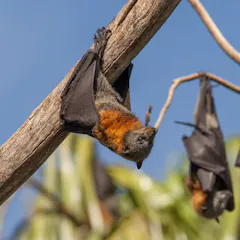
Zoonotic diseases can emerge closer to home than you realise.
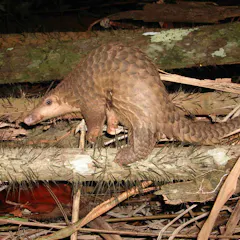
When a new virus emerges and triggers a pandemic, it is important to trace its origins. Knowing more about how the virus jumped species in the first place can help curb future zoonotic diseases.

People can still learn a great deal about these mammals while keeping a safe distance.

Wild animals and animal parts are bought and sold worldwide, often illegally. This multibillion-dollar industry is pushing species to extinction, fueling crime and spreading disease.
Many of these new diseases cross over, jumping from wild animals to people.
Top contributors
-

Senior research fellow, The University of Melbourne
-
Directeur régional Asie du Sud-Est, vétérinaire et épidémiologiste, Cirad
-
Professor of Infectious Diseases, Monash University
-
Associate Professor (Molecular Virology), Monash University
-
Fellow, Nigerian Academy of Science
-
Public Health Pathology, NSW Health Pathology, Westmead Hospital and University of Sydney, University of Sydney
-
Sydney Horizon Fellow, veterinarian and wildlife disease ecologist, University of Sydney
-
Adjunct Associate Professor of Epidemiology, Columbia University
-
Professor of virology and theme leader for viral infectious diseases, The Peter Doherty Institute for Infection and Immunity
-
Associate Professor of Business Ethics and Corporate Social Responsibility, Newcastle University
-
Emeritus Professor, infectious disease ecology, Griffith University
-
Researcher, Department of Animal Science, University of California, Davis
-
Epidemiologist, Cirad
-
Professor of Computational Medicine & Bioinformatics, University of Michigan
-
NHMRC Leadership Fellow and Professor of Virology, University of Sydney