
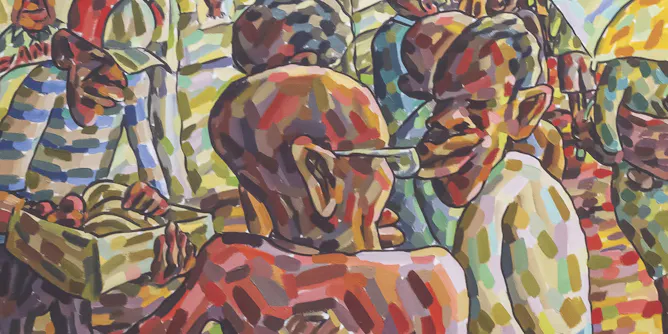
English readers can now encounter African novels as they were first imagined, in the rhythms of their own languages.
Articles on Zimbabwe writers
Displaying all articles
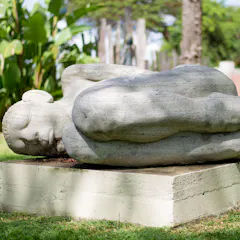
Zimbabwe is named after an ancient stone city and its stone sculpture is world famous.
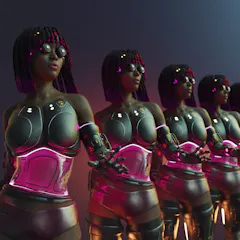
From angry spirits and parallel universes to alien abductions and epic folklore, African writers are offering fresh new horizons for the world’s science fiction landscape.
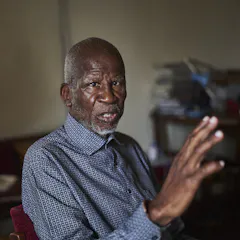
A public figure who appeared often on TV and radio, Pathisa Nyathi celebrated the history and culture of Zimbabwe’s marginalised Ndebele people.

A Colonial Boy is a welcome book for Eppel scholars, but some readers may be put off by its use of literary sketches.
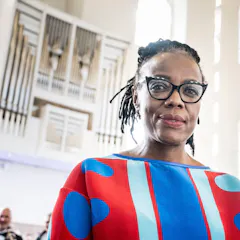
It reads powerfully in the Shona language, and is one of two of her books newly translated into it.

Christopher Mlalazi, award-winning novelist, was inspired by the stories he was told by his grandparents as a child.

Dozens of young writers were published first at Weaver Press, which believed in fiction as a way of telling the truth.

Variations of English names reveal the enduring effects of British rule - but there’s also a return to tradition.
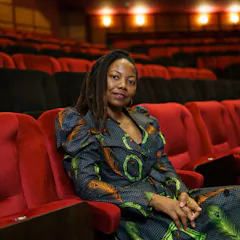
Writers have challenged oppression, exposed social injustices and advocated for political change.

Novelist Petina Gappah’s call for translators on Facebook has resulted in the publication of Chimurenga Chemhuka.
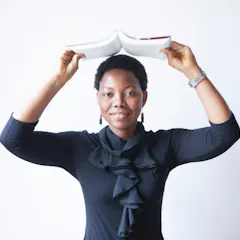
Playing out in an animal kingdom, Glory is a devastating political commentary on Zimbabwe today.
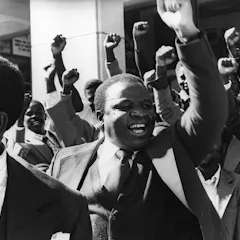
Despite being almost erased from history, Sithole’s ideas are still relevant today.
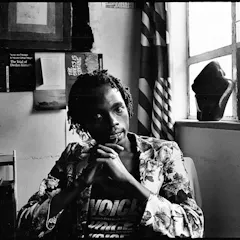
Hundreds of handwritten letters found in an archive have revealed the real import of the writer’s enduring influence.

That none of his collections were published in apartheid South Africa testifies to the police state’s censorship.
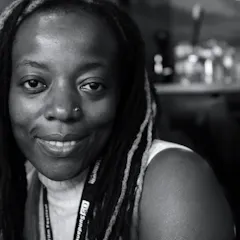
Her new book “This Mournable Body” was announced as a Booker Prize contender just days before her arrest for protesting against a government clampdown.
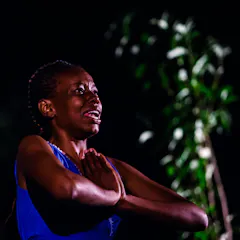
Artists are filling the state’s silence by revisiting history so that it can be discussed.
Top contributors
-

Assistant Professor, Harvard University
-
Senior Lecturer, Stellenbosch University
-
Professor of African Studies, University of Leeds
-
Postdoctoral Research Fellow, Department of English Literary Studies, University of Cape Town
-
Postdoctoral Fellow, Faculty of Humanity, Social Sciences, and Theology, Friedrich-Alexander-Universität Erlangen-Nürnberg
-
Political Scientist, University of the Western Cape
-
Lecturer, School of Languages and Literatures, University of Cape Town
-
Professor of English Studies, University of South Africa
-
Senior Lecturer in International Political Economy, University of Manchester
-
Associate professor, University of Johannesburg
-
Lecturer, University of Zimbabwe