
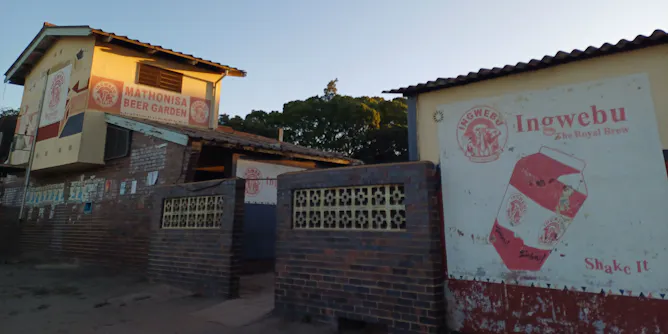
Municipal drinking amenities were built to control and profit from African drinking. In Bulawayo, the quality of the beer became a colonial obsession.
Articles on Zimbabwe history
Displaying all articles

Mbare Art Space has transformed an oppressive colonial building with a vision for the future that’s built on sustainable art practice.
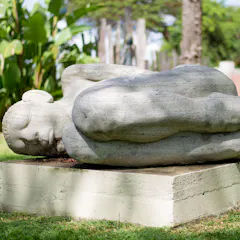
Zimbabwe is named after an ancient stone city and its stone sculpture is world famous.
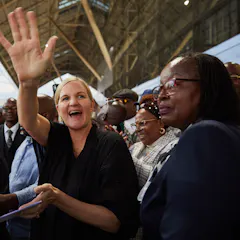
Kirsty Coventry’s rise to political importance as a white woman in a black majority Zimbabwe shows how sport is able to reshape race and power.
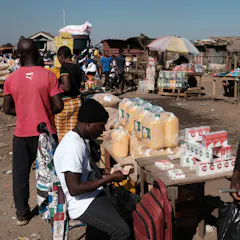
Economic crises since the 1990s led to a sharp rise in Zimbabwe’s informal economy, hence some call the country a nation of vendors.
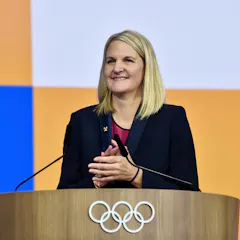
The IOC is betting on a younger female leader to signal change. She enters the ring at a crucial time for athletes.
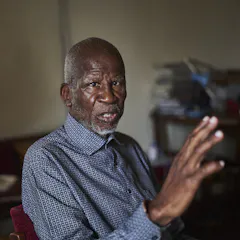
A public figure who appeared often on TV and radio, Pathisa Nyathi celebrated the history and culture of Zimbabwe’s marginalised Ndebele people.

A Colonial Boy is a welcome book for Eppel scholars, but some readers may be put off by its use of literary sketches.
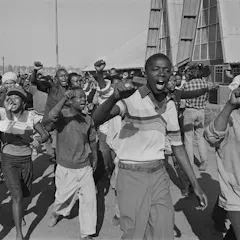
Echoes of Southern African Independence is an audio archive project that brings history alive in a fresh and unique way.

Christopher Mlalazi, award-winning novelist, was inspired by the stories he was told by his grandparents as a child.
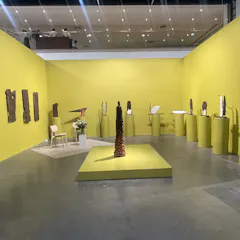
His work can only be fully understood by observing the shared traditions of Botswana, Zimbabwe and South Africa.

Variations of English names reveal the enduring effects of British rule - but there’s also a return to tradition.
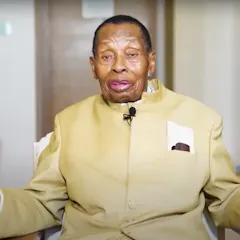
He helped found a church with three million followers in 168 countries, a hospital, a university and several schools.

South Africa’s famous toyi-toyi was adopted from Zimbabwean troops, who learned it in Algeria – showing the interconnected nature of Africa’s liberation struggles.
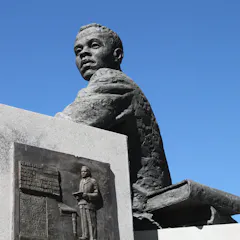
According to a new book, the friendships among women in the novel reveal its author Sol T. Plaatje’s view of effective political struggle.
Top contributors
-

Assistant Professor, Harvard University
-
Senior Lecturer, Stellenbosch University
-
Postdoctoral associate, Oklahoma State University
-
Professor, University of Sussex
-
Postdoctoral Fellow, Nelson Mandela University
-
Professor of African Studies, University of Leeds
-
Postdoctoral Research Fellow, Department of English Literary Studies, University of Cape Town
-
Lecturer in Sport Policy and Management, University of Edinburgh
-
Leverhulme Early Career Research Fellow, University of Edinburgh
-
Senior Lecturer in the Social and Community Development, University of Zimbabwe
-
Nancy and Robert J. Carney Postdoctoral Associate in Art History, Rice University
-
Honorary Research Fellow, Global Development Institute, University of Manchester
-
Professor, University of Oxford