
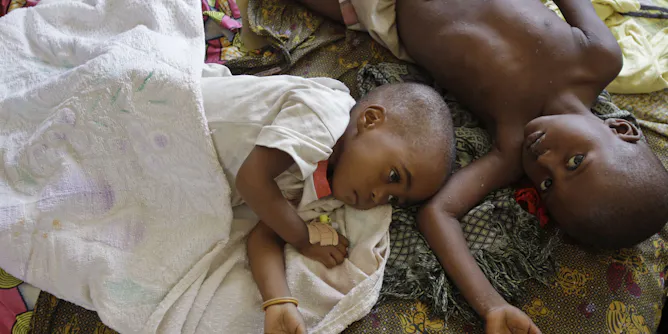
There’s a big market for new treatments for TB, malaria and other ailments. But most of these diseases afflict low-income people unable to pay for medicine.
Articles on Zika
Displaying 21 - 40 of 112 articles
Timing is everything when it comes to making a decision about declaring a disease outbreak a public health emergency of international concern.
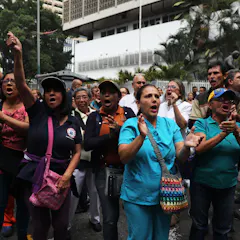
New survey of insect-borne disease in Venezuela.
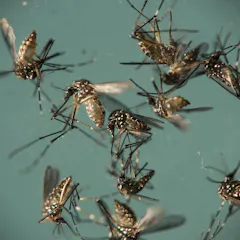
In January, measles returned to the Pacific Northwest, while Ebola resurged in the Congo. It would take a lot more research for scientists to be able to stop threats like these in their tracks.
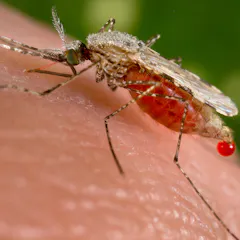
Researchers are exploring genetic forms of population control called gene drives that spread traits faster that happens naturally. The goal is to curb mosquito-borne diseases like malaria.

Japanese encephalitis virus is rare and doesn’t usually cause symptoms. But in a small proportion of cases it can result in long-term neurological impairment and death.

There is no vaccine or medicine for Zika. But researchers have identified factors in the blood that signal a fetus has Zika-related birth defects, helping mothers decide whether to terminate a pregnancy.
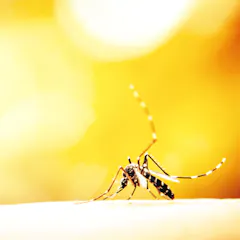
Is our changing climate making regions of the US more suitable for ticks and mosquitoes that spread diseases? Or is the climate changing human physiology making us more vulnerable?
Scientists need to continue working across disciplines to find ways to disrupt disease transmission in the context of climate change.
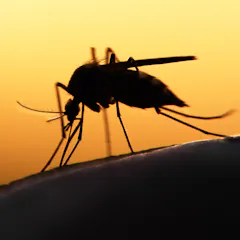
For several billion people mosquitoes are more than a nuisance – they transmit deadly diseases. Now genetic modification may prove the most effective defense against the mosquito, preventing disease.

Mosquitoes are picky about who they bite but it’s not actually “us” that they’re smelling when they choose their next meal…
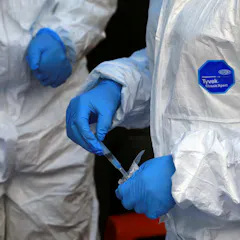
A study of recent epidemics like Zika and Ebola suggests that the media may fail to tell the public what to do during an outbreak.
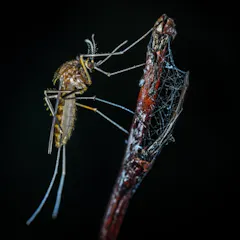
Mosquito abundance is linked to climate and weather, and global climate change may be helping spread these dangerous carriers of disease.
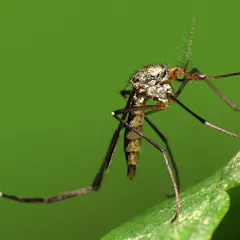
The collapse of Venezuela’s public health system has terrible consequences inside the country, but it also is giving rise to mosquito-borne viruses that could spread to nearby countries.
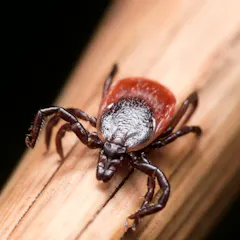
The CDC recently announced an uptick in diseases spread by vectors such as mosquitoes and ticks. Here’s why and what you can do to lower your risk.
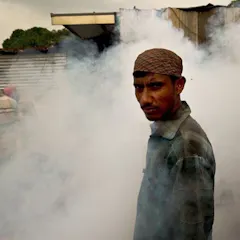
The spread of infectious diseases such as chikungunya is closely linked to urban mobility, yet small Indian cities could play a crucial role in the resilience process.
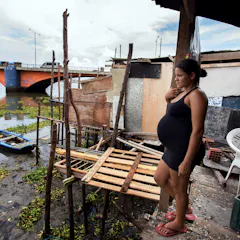
Women’s rights and poverty cannot be ignored.
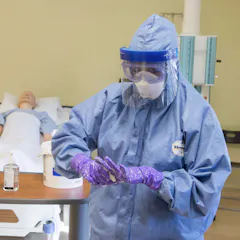
Infectious diseases pose a continual threat to Canadians. Ensuring the population stays healthy requires increasing investment in our public health system.
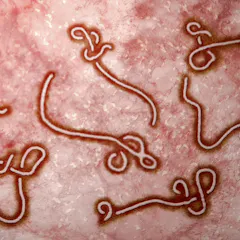
QuRapID can find Ebola in a drop of blood in just over an hour.
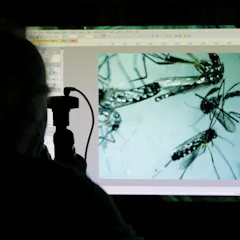
Vast amounts of standing water in Houston and other hurricane-flooded areas are dangerous not only because of toxins. The water is a dangerous breeding ground for mosquitoes that transmit Zika.
Top contributors
-

Clinical Associate Professor, School of Medical Science & Sydney Infectious Diseases Institute; Principal Hospital Scientist, University of Sydney
-
Medical Entomologist, The University of Queensland
-
Medical scientist, National Institute for Communicable Diseases
-
Epidemiologist, Honorary Associate Professor, Australian National University
-
Principal Medical Scientist and Head of Laboratory for Antimalarial Resistance Monitoring and Malaria Operational Research, National Institute for Communicable Diseases
-
Associate Dean For Global One Health, College of Veterinary Medicine & Biomedical Sciences; and Director, Pandemic and Biosecurity Policy Program, Scowcroft Institute for International Affairs, Bush School of Government and Public Service, Texas A&M University
-
Assistant Professor, Texas A&M University
-
Distinguished Professor, Public Health and Medical Anthropology, University of the Witwatersrand
-
Project Manager; Centre for Advanced Training Systems, University of Newcastle
-
Dean Students, College of Health, Adelaide University
-
Lecturer (University of Tasmania), University of Tasmania
-
Professor of Sociology, The University of Texas at Austin
-
Emeritus Professor of Zoology, University of Aberdeen
-
Senior lecturer, University of York
-
Boswell Distinguished Professor of Global Health, DePauw University