

Using Australian laws to force a foreign-owned platform to take down content globally sets a risky precedent – should we allow all countries to impose their laws on the internet?
Articles on X (formerly Twitter)
Displaying 41 - 60 of 760 articles

The billionaire owner of X (formerly Twitter) has taken aim at Australia’s eSafety Commissioner over being told to remove videos from his site. It’s just the tip of the legal iceberg.

There is no shortage of horror stories about online shaming, but it’s not always a bad thing. It comes down to who is doing the shaming and how cohesive the online community is.

Understanding how to spot a bot is essential, especially for anyone voting in an election.

A new change to Meta’s apps will see users no longer recommended political content by default. The ramifications of this will be far-reaching.
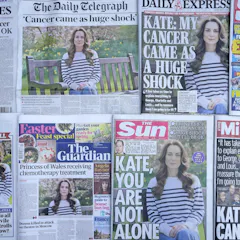
What should have been a simple announcement to a sympathetic public turned into a spider’s web of conspiracy theories across social media. How did it all go so terribly wrong?

Platforms like Facebook, Instagram and TikTok vie for our attention and boast billions of users. Ultimately, what matters is connection.

Online extremism is a unique challenge – terrorists use methods that can’t be captured by standard content moderation. So, what can we do about it?

The complex task of tackling online terror needs human eyes as well as artificial intelligence.
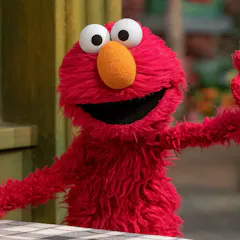
The virality of Elmo’s X post showcases how fictional characters are turning into influencers.
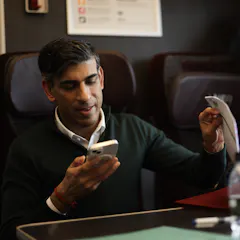
Youtube ads are money well spent – but smart campaigns will also target Twitch and Mumsnet.

As legislators rail against social media companies, the companies continue to put millions of young people at risk. Here’s how − and what can be done about it.
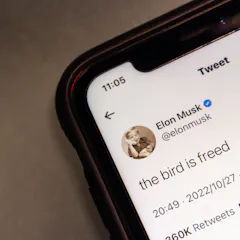
When Elon Musk took control of Twitter, many were concerned about the reappearance of extremist accounts. In retrospect, X has shown itself to be selective.
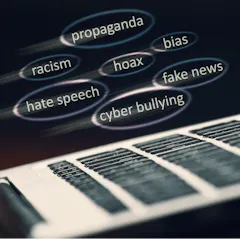
My research found at least 60 instances of hate speech in a two-month span last year targeting presidential hopefuls.

Corporate and political actors know more about how our minds work than we do. The right to free thought can no longer be our ‘forgotten freedom’

Nine years after the attacks, a look back at why the hashtag was so successful.
New research shows that scrolling through Instagram can effect our processing and language capabilities. Listen to The Conversation Weekly podcast.

Disinformation campaigns often use a set of rhetorical devices that you can learn to spot, like conspiracy narratives, good versus evil framing, and revealed secrets.

Research explains how to handle the kind of online ‘firestorm’ that X (formerly Twitter) owner Elon Musk is currently experiencing.

Hate is for the haters. Much of the thrill of posting toxic messages can come from the attention and social approval a poster gets from like-minded people.
Top contributors
-

Professor, Digital Media Research Centre, Queensland University of Technology
-
Professor of Information Systems, Michigan State University
-
Associate Professor in Digital Media, Queensland University of Technology
-
Director of UWA Centre for Software Practice, The University of Western Australia
-
Postdoctoral Research Fellow, Queensland University of Technology
-
Associate Dean International, University of Chester
-
Professor of Digital Communication, Director of QUT Digital Media Research Centre, Queensland University of Technology
-
Assistant Data Analyst, Queensland University of Technology
-
Associate Vice President for Entrepreneurship and Innovation, Clemson University
-
Senior Lecturer in Marketing, University of Hull
-
Professor of Informatics and Computer Science, Indiana University
-
Associate Professor of Communication and Media Studies, Pace University
-
Adjunct Senior Lecturer, Applied Ethics and CyberSecurity, Griffith University
-
Professor of Strategic Management, Warwick Business School, University of Warwick
-
Professor of Media Industries, University of Nottingham