
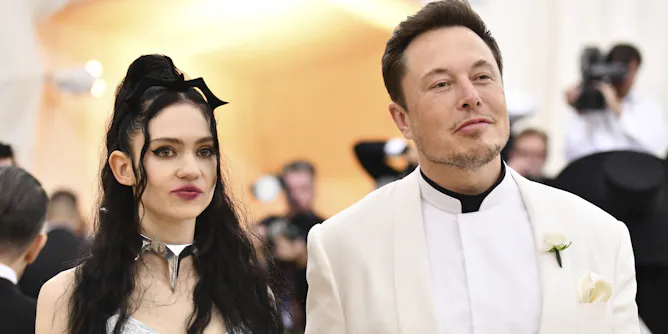
Media ownership has consolidated around a handful of billionaires – and that might not be great for democracy.
Articles on X (formerly Twitter)
Displaying 201 - 220 of 760 articles
The age of the free speech free-for-all is over – but public online spaces are possible.
To complete his deal, Elon Musk now needs the nod from a majority of Twitter’s shareholders and US corporate regulators.
Musk has long touted Twitter’s potential as an open and inclusive ‘town square’ for public discourse – but the reality is social media platforms were never meant to fulfil this role.
We may be besieged by private companies in online spaces, but only up to a point.

Musk, who revived his bid for Twitter after the social media company’s board sued to enforce the deal, has been very critical of its board.
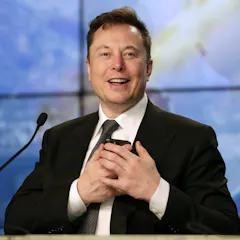
Twitter, more than other social media platforms, fosters real-time discussion about events as they unfold. That could change now that Musk has gained control of the company.
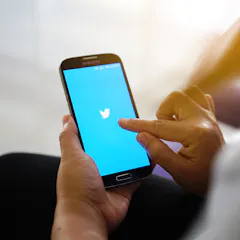
Twitter is developing an ‘edit button’ that allows users to change tweets after they’ve been sent - but making it work won’t be easy
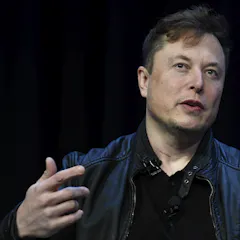
Elon Musk’s attempt to take over Twitter uses free speech as the motivation, but research shows that unregulated online spaces result in increased harassment for marginalized users.
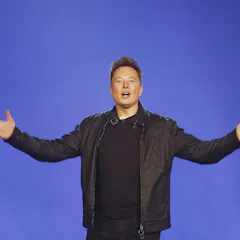
Twitter adopted a so-called poison pill to make it much harder for Musk to take over the company.
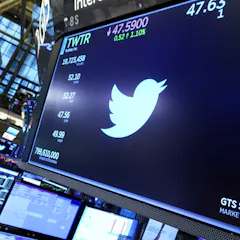
Twitter, more than other social media platforms, fosters real-time discussion about events as they unfold. That could change if Musk gains control of the company.

Public companies have many governance safeguards that private ones lack, such as independent oversight and transparency.

The Russian Embassy in Canada is active in spreading disinformation and promoting the Russian perspective on the events taking place in Ukraine.

While many progressive movements have organised online, conservatives dominate because of better organisation, capital, and social inequality. France’s presidential elections are a case in point.

New research shows using social media can provide a much-needed boost to UK farmers’ wellbeing, connectedness and mental health, and even bank balances.
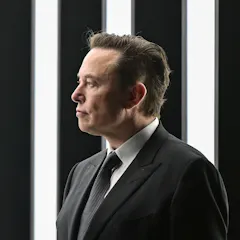
Investors are happy, pushing the share price up since the announcement. What about users?
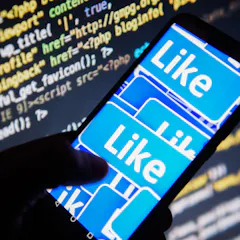
The system behind apps like Facebook, Twitter, YouTube and WhatsApp isn’t neutral. It encodes political communication, influencing what users see.
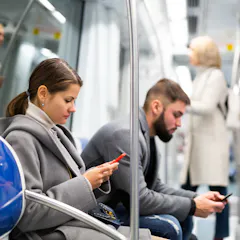
People used social media to connect with others, but after the pandemic, social media is increasingly fractured. Users adopt closed media spaces where they feel safe to express personal values.
The government is proposing upheavals to online content regulation, but that won’t be enough to make the internet safer.
Increased media literacy education and government regulations are necessary to combat fake information on social media platforms.
Top contributors
-

Professor, Digital Media Research Centre, Queensland University of Technology
-
Professor of Information Systems, Michigan State University
-
Associate Professor in Digital Media, Queensland University of Technology
-
Director of UWA Centre for Software Practice, The University of Western Australia
-
Postdoctoral Research Fellow, Queensland University of Technology
-
Associate Dean International, University of Chester
-
Professor of Digital Communication, Director of QUT Digital Media Research Centre, Queensland University of Technology
-
Assistant Data Analyst, Queensland University of Technology
-
Associate Vice President for Entrepreneurship and Innovation, Clemson University
-
Senior Lecturer in Marketing, University of Hull
-
Professor of Informatics and Computer Science, Indiana University
-
Associate Professor of Communication and Media Studies, Pace University
-
Adjunct Senior Lecturer, Applied Ethics and CyberSecurity, Griffith University
-
Professor of Strategic Management, Warwick Business School, University of Warwick
-
Professor of Media Industries, University of Nottingham