

Chronic wounds affect millions of people worldwide, blighting their quality of life.
Articles on Wound healing
Displaying all articles

Placentas contain a rich amount of nutrients and stem cells, but there’s a difference between eating it at home for wellness and using it in the clinic to improve wound healing.
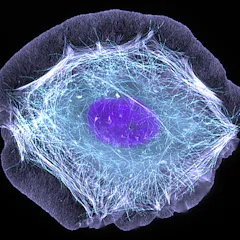
Textbooks usually depict the epithelial cells encasing the interior and exterior of your body as passive barriers. But researchers discovered they can produce electrical signals like neurons.
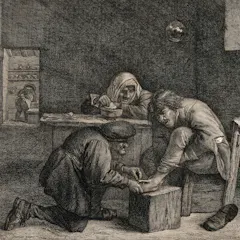
Keeping wounds clean and infection free has challenged people for thousands of years.
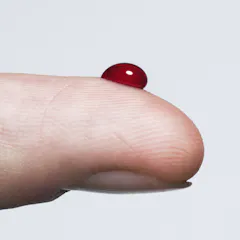
Blood plays a vital role in keeping us alive, from delivering oxygen to the body’s organs to fighting off infections.
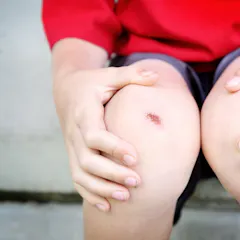
Our bodies heal in some amazing ways. Scabs can be an important part of the healing process after we get a cut or a graze.
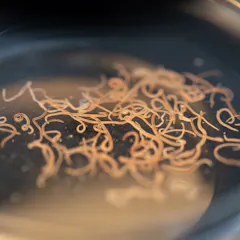
‘Worm’ is really a catchall term for a huge variety of animals with different characteristics that span the tree of life. They hold clues about our own origins as well as hints about human health.
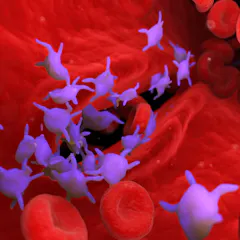
Platelets heal wounds. But they also seem to play a paradoxical role in both promoting and inhibiting the growth of solid tumors.
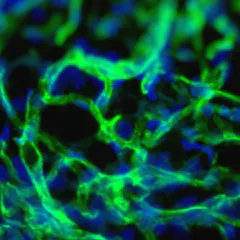
Small wounds can usually heal by themselves, but larger wounds can be a problem. With a little help from a seaweed we can help the body regenerate new blood vessels.
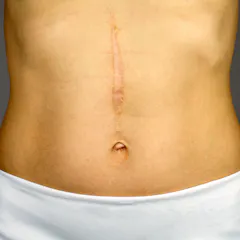
When kids get injured their skin heals fast, but usually with nasty-looking scars. Now scientists studying the genes of old mice have figured out how they regenerate skin and block scars.
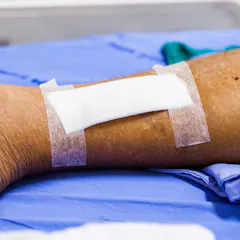
Dangerous open wounds known as cutaneous ulcers are common in people with diabetes and bedsores. Now scientists have figured out how to reprogram the cells inside these wounds to heal themselves.
Top contributors
-

Assistant Professor of Dermatology, University of Pennsylvania
-
Professor, Gene Expression Laboratory, Salk Institute for Biological Studies and Adjunct Professor, Cell and Developmental Biology, University of California, San Diego
-
Lecturer of Biochemistry, Thomas Jefferson University
-
Postdoctoral Scholar of Organismal Biology and Anatomy, University of Chicago
-
Lecturer in Microbiology, Cardiff Metropolitan University
-
Lecturer in Macromolecular Chemistry, University of Freiburg
-
Assistant Professor of Medicine, Bond University
-
Professor of Medicine and Chief, Division of Hematology, Sylvester Comprehensive Cancer Center, University of Miami
-
Associate Professor of Science & Medicine, Bond University
-
Postdoctoral Research Fellow in Polymer Science and Engineering, UMass Amherst
-
Professor of Polymer Science and Engineering, UMass Amherst
-
Assistant Professor of Bioengineering, University of California, Santa Barbara
-
Lecturer, School of Regeneration and Repair, University of Edinburgh