
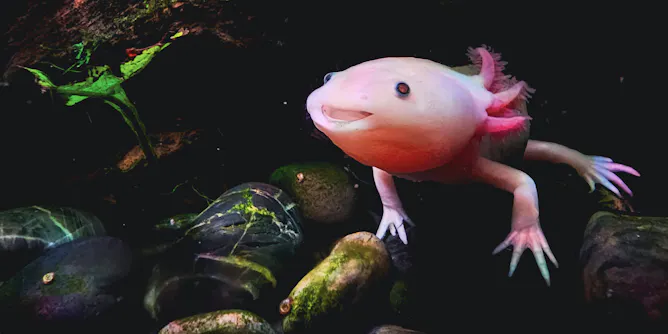
Understanding how certain animals can regenerate entire organs and limbs could help heal injuries in people.
Articles on Regeneration
Displaying 1 - 20 of 49 articles

A new study unpacks how Victoria’s eucalypt forests have coped with past bushfires – with lessons for the future.
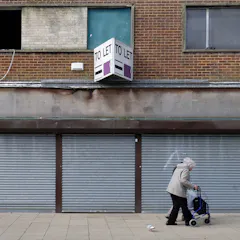
A one-size-fits-all approach won’t work to revive Britain’s left-behind areas.
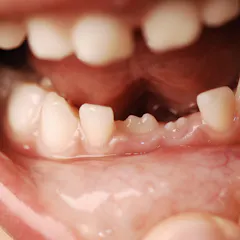
A pediatric dentist and an anthropologist explain how baby teeth and adult teeth help humans chomp their food over a long lifespan.

Placentas contain a rich amount of nutrients and stem cells, but there’s a difference between eating it at home for wellness and using it in the clinic to improve wound healing.
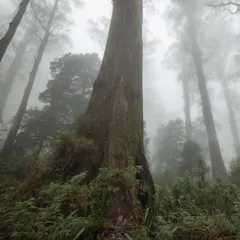
Forest logging records, satellite data, on-ground surveys and drone photography show nearly 20% of logged areas in Victoria failed to regenerate over the past 40 years.
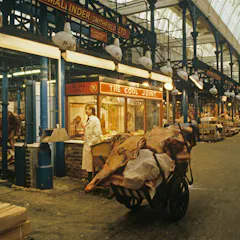
Many fear Smithfield’s special sense of place will be lost once the meat market is gone. But could a new emerging cultural quarter bring social cohesion?
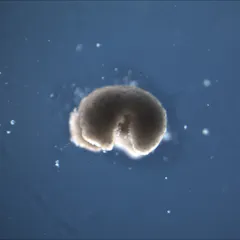
Given the right conditions, certain types of cells are able to self-assemble into new lifeforms after the organism they were once part of has died.
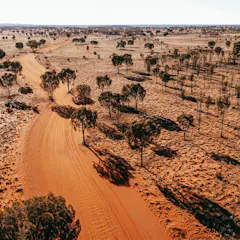
Carbon credits must be scrutinised – and none more so than credits for taking grazing animals off arid rangelands.
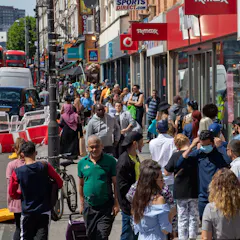
Capital-driven regeneration projects rarely deliver because they focus on profit, not local people’s needs.
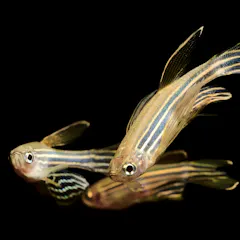
Zebrafish melanocytes cause diseases similar to those in people when they don’t work properly. Studying how they regenerate after injury could lead to new treatments for hair color loss and vitiligo.
Liver transplant waitlists can range from 30 days to over five years. Developing treatments that spur liver regeneration could help reduce demand for scarce organs.
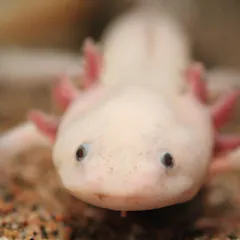
Axolotls are amphibians known for their ability to regrow their organs, including their brains. New research clarifies their regeneration process.

Our cities are filled with historical infrastructure long past its first usage. New ways of thinking about urban planning though can turn them into much needed green spaces.
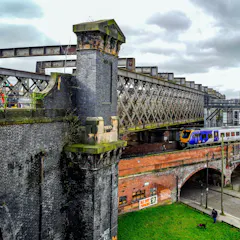
Turning a disused Victorian railway bridge into an elevated walkway and garden has the potential to rejuvenate a forgotten part of the city.
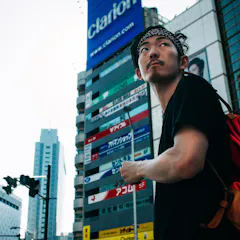
Walking roots us in new places. It also unlocks memories of those we’ve moved away from.
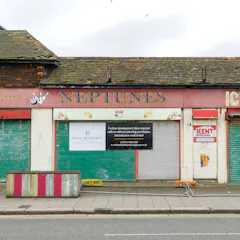
Over the coming decade a new study will put citizens and communities at the centre of efforts to reimagine prosperity and define what constitutes a good quality of life.

Urban regeneration and tourism development are habitually touted as central reasons for a city to host the Olympics. Research shows that local people, however, often fail to benefit
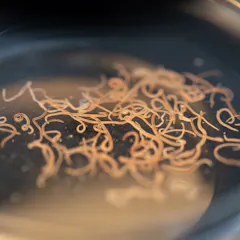
‘Worm’ is really a catchall term for a huge variety of animals with different characteristics that span the tree of life. They hold clues about our own origins as well as hints about human health.
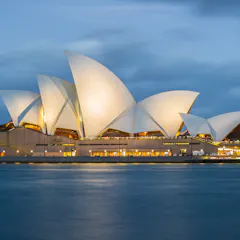
A better way of evaluating these projects would be to look at their value and sustainability.
Top contributors
-

Senior Lecturer in Criminology, Programme Director for Criminology, Keele University
-
Professor of Social Policy, London School of Economics and Political Science
-
Research Fellow, Monash University
-
Professor of Plant Science, University of Sheffield
-
Professor of Professional Practice, University of Westminster
-
Senior Lecturer in Criminology, Nottingham Trent University
-
Director, University of Nottingham
-
Senior Lecturer and Course Leader, BA Film, Media and Popular Culture, University of Lancashire
-
Architect and lecturer, University of Liverpool
-
PhD candidate, The University of Melbourne
-
Professor of Planning and Urban Design, UCL
-
Professor of Molecular Evolution, Macquarie University
-
Senior Lecturer in Criminology, Edge Hill University
-
Forest and fire scientist, The University of Melbourne
-
Lecturer in Media Studies, University of Siegen