

Having interviewed advisers to past and present prime ministers in Australia, Britain, Canada and New Zealand, my new research shows how crucial it is to recruit and train staff – before an election.
Articles on Workplace health
Displaying 21 - 40 of 69 articles

Workplaces are increasingly recognizing that productive employees seek out workplaces that prioritize mental well-being and offer flexible working conditions.

In the past, workers have been warned not to disclose their mental illness at work for fear of discrimination. But there can be many positives to telling your boss.

A growing body of evidence shows that the emotional health and well-being of the workforce is of equal or greater importance than physical safety.

While employee resilience seems appealing — especially in the current uncertain and unpredictable time we are living in — overusing it can actually jeopardize an organization’s effectiveness.
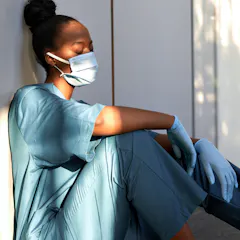
Disturbed sleep can worsen depressive symptoms of health care workers whose jobs come with high levels of emotional labor and work-family conflict.

The future of our health system depends on recruiting and retaining passionate and highly skilled health-care workers. It’s essential to build work environments where they feel supported and safe.

Two years of pandemic have put a severe strain on the mental health of America’s workers. Employers with a plan in place will be best equipped to help them cope.

To get more workers to be active, public health messaging must recognize the important role employers can play in creating the conditions for workers to focus on exercise.
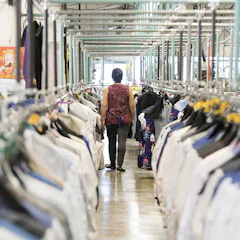
Routine collection of work information from people testing positive for COVID-19 from the start of the pandemic would have enabled better understanding of the role of workplaces in transmission.
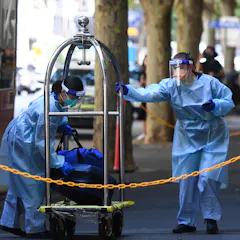
Victoria’s OHS regulator has fined the state’s health department for failing to keep hotel quarantine workers safe from COVID. This serves as a warning for all employers, ahead of the nation opening.

The NBA has largely managed to keep COVID-19 under control. Its success offers four important lessons for organizations on how to return employees to the workplace during and after COVID-19.

Working from home changes your relationship with your workplace, but not the obligations you and your employer owe each other.
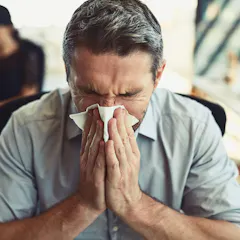
Americans tend to work even when they’re sick, in part because of a lack of paid sick leave.

Growing alarms over a ‘rudeness epidemic’ make it seem like incivility in the workplace is on the rise. The data suggest otherwise.

A new study shows that stress, fatigue, and even feelings of injustice are felt more strongly by those who have been suffering from chronic pain for three or more months.

The food we eat and the products we use should not contribute to human misery. While companies hold some blame, so do consumers who avoid dealing with the consequences of their purchasing decisions.

A new French study shows people who regularly work ten-hour days have a 29% greater risk of having a stroke than their peers. Long hours also affect your relationships, sleep and mental health.

German study shows that a multi-pronged approach works best.

Progressive organizations recognize that fatigued employees can’t perform at their best. Naps at work can increase alertness and improve performance.
Top contributors
-

Associate Professor of Organisational Behaviour, Bond Business School, Bond University
-
Professor and ARC Future Fellow, Monash University
-
Senior Scientist, Institute for Work & Health. Professor, Dalla Lana School of Public Health, University of Toronto
-
Adjunct professor, Department of Family Medicine & Department of Psychology and Neuroscience, Dalhousie University
-
Assistant Professor, Dalla Lana School of Public Health, University of Toronto
-
Professor of Psychological Medicine, BMRI & Disciplne of Psychiatry, University of Sydney
-
Adjunct Professor, Department of Obstetrics and Gynecology, Faculty of Medicine, Dalhousie University, Mount Saint Vincent University
-
Lecturer and Program Coordinator, Adelaide University
-
Senior Lecturer, School of Aviation, UNSW
-
Research Officer, Monash University
-
Program Coordinator, Arthur Rylah Institute for Environmental Research
-
Senior Deputy Dean, UNSW Business School, Co-DVC Equity, Diversity and Inclusion, UNSW
-
Professor, Construction Occupational Health and Safety, RMIT University
-
Laureate Professor in Nutrition and Dietetics, University of Newcastle
-
Associate Professor in Urban Ecology and Urban Horticulture, The University of Melbourne